China Sourcing

Low-MOQ Sourcing Strategies for Startups & SMEs

How to source from China at a low minimum order quantity — use existing tooling and open moulds, stocked materials, LCL co-loading and SKU consolidation, and a sample-then-scale sequence that keeps first orders small.

Quick answer: lower the MOQ, don’t just ask for a lower one

Most guides treat a minimum order quantity as a number you argue down. The more useful view is that an MOQ is the sum of a few underlying costs — tooling, material runs, setup and shipping — and that you lower it by removing those costs, not by pushing harder in an email. Reuse tooling that already exists, pick materials already in stock, and share a container instead of filling one, and the minimum falls for structural reasons that a supplier can actually say yes to. This guide covers the five levers and the sequence to use them.

Sourcing outdoor gear from China at a low minimum order quantity
A low first order is mostly an engineering and logistics choice — existing tooling, stocked materials and a shared container — not a favour.

Why MOQs exist

A factory sets a minimum because every production run carries fixed costs that do not shrink with quantity. A custom mould has to be cut and paid off. A fabric or a component has its own minimum order from the mill or the chip vendor. A line changeover, a QC setup and the paperwork for a shipment all take the same effort for 10 units as for 1,000. The MOQ is simply the quantity at which those fixed costs are bearable per unit. Understand that and each lever below is obvious: it removes or shares one of those fixed costs.

The five levers that lower MOQ

  1. Use existing tooling or an open mould. A custom mould is usually the single largest fixed cost, so building on a mould the factory already owns removes the biggest MOQ driver at a stroke. You give up some exclusivity; you gain a small first order.
  2. Choose stocked materials. Specifying a fabric, colourway or component the factory already holds avoids triggering a mill or vendor minimum. A bespoke material can set a higher floor than the assembly itself.
  3. Consolidate SKUs into one shipment. Combining several products into one LCL container reaches an economic load without full-container volumes of any single item — the most powerful lever for a small buyer.
  4. Start with a sample or pilot run. A sample validates quality and fit before a production commitment; a small pilot proves the market before you scale. Both keep early quantities low.
  5. Standardise, then differentiate later. Launch on a proven design and reserve custom tooling for the version you build once demand is real. This sequences your capital instead of spending it up front.

These are structural moves that change the minimum itself. Sharpening the deal at the table is a separate skill — our MOQ negotiation guide covers how to order small and scale up once these levers are in place.

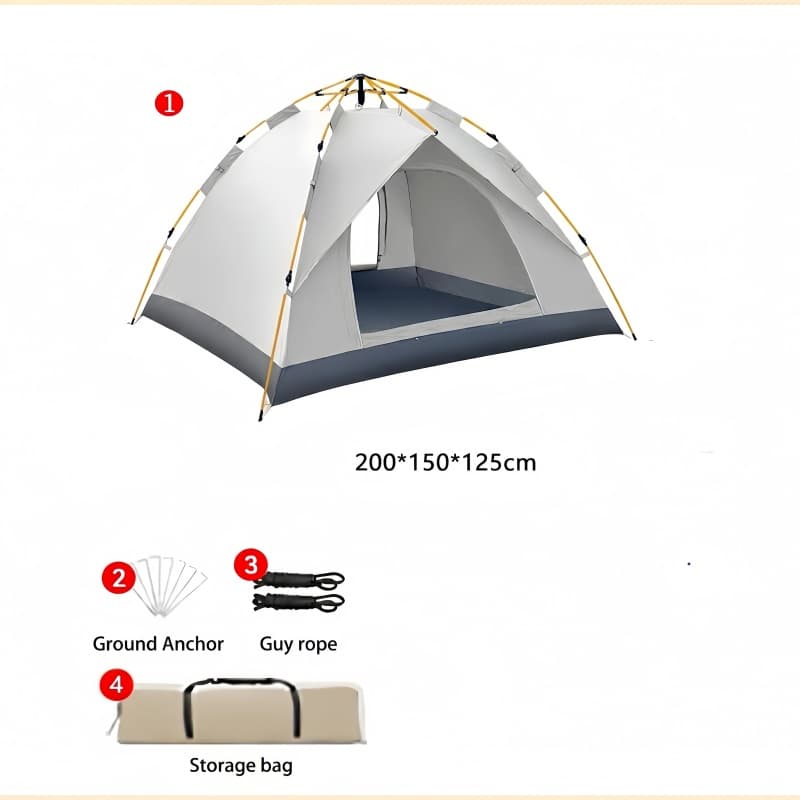
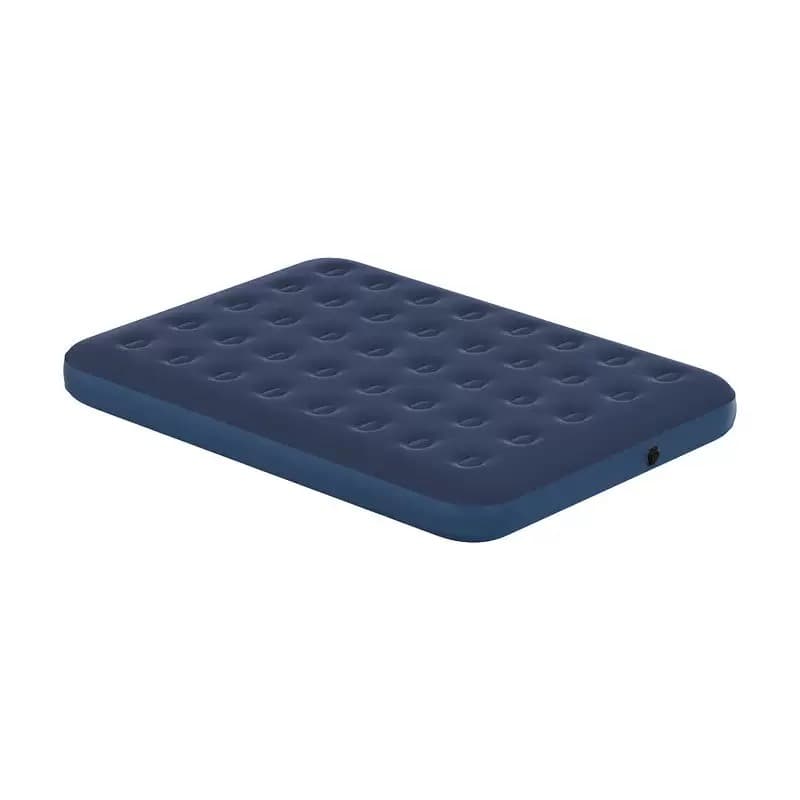
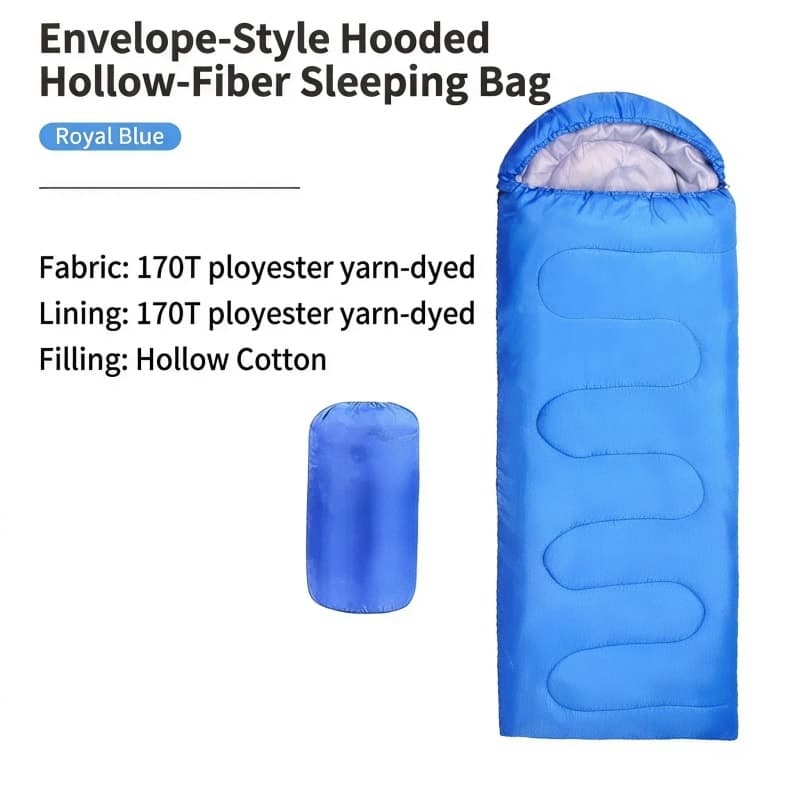
Mixed bulk products — tents, bags and furniture — consolidated for one wholesale shipment
Consolidating several SKUs into one container is how a small buyer reaches an economic load without over-ordering any single product.

Which lever fits your situation

Matching the low-MOQ lever to your constraint
If your constraint is…Use this leverThe trade-off
Tooling cost is the blockerExisting tooling / open mouldLess design exclusivity
A custom material sets a high floorStocked materials & coloursFewer bespoke options
No single SKU fills a containerLCL / SKU consolidationCoordination and forwarder fees
Demand is unprovenSample then pilot runHigher per-unit cost early
Capital is tight up frontStandardise now, customise laterSlower differentiation

Consolidation & container maths

Consolidation deserves its own section because it is where small buyers gain the most. On stocked tooling, outdoor-gear minimums start around 10 pieces per model and smart-home devices from a single piece — but a single model rarely fills a shipment economically. LCL (less than container load) consolidation lets you co-load several SKUs, so you reach a workable load by breadth rather than depth.

The practical approach is to plan the order as a basket: a handful of each of several models, chosen so their combined volume approaches a sensible shipment, rather than a deep run of one unproven product. That spreads your risk across the range and lets sell-through, not a guess, tell you where to go deeper next time. Payment on that basket runs the same as any order — 30% deposit with the balance against a copy of the bill of lading — and samples take about 10–15 days, so the whole validate-then-commit loop stays short and cheap.

A sample-then-scale sequence

Run a first engagement in this order and you keep both quantity and risk low at every step:

  1. 1Spec against what existsDesign to an open mould and stocked materials so no custom tooling or material run sets the floor.
  2. 2Sample firstOrder a 10–15 day sample to validate quality and fit before any production commitment.
  3. 3Pilot a small mixed orderPlace a shallow run across several SKUs, consolidated into one LCL shipment.
  4. 4Read the sell-throughLet real demand show which models earn a deeper reorder and which to drop.
  5. 5Scale the winnersReorder the proven SKUs at volume, and only now consider custom tooling for a differentiated version.
A low-MOQ sample-then-scale sourcing sequence

Scaling does not mean changing partners: production runs in a 7,000 m² facility across 10 lines, so a proven pilot can grow into a full reorder without moving factories. When you are ready to map a first low-MOQ order, our team can tell you the exact minimum for your specification — talk to our sourcing team.

Common mistakes to avoid

  • Paying for a custom mould before demand is proven. It commits capital and raises the minimum for a product that may not sell. Start on an open mould.
  • Specifying a bespoke material to save on the assembly. A custom fabric or component can set a higher floor than the product itself. Check what is stocked first.
  • Going deep on one unproven SKU. A shallow, consolidated mix validates more of your range for the same capital.
  • Expecting volume pricing at low-MOQ volumes. The higher per-unit cost is the price of validation; treat it as research spend, not a bad deal.
  • Skipping the sample to save two weeks. A 10–15 day sample is the cheapest insurance against a production run that misses.

Key takeaways

  • An MOQ is a stack of fixed costs — lower it by removing them, not just by asking.
  • Existing tooling and stocked materials are the two biggest levers on the minimum.
  • LCL consolidation lets a small buyer reach an economic load across several SKUs.
  • Outdoor gear starts around 10 pieces per model; smart-home devices from one piece.
  • Sample, pilot a mixed order, read sell-through, then scale the winners.

Frequently Asked Questions

What is a realistic low MOQ when sourcing from China?

It depends far more on tooling and materials than on the factory being generous. On an existing mould and a stocked material, outdoor-gear minimums start around 10 pieces per model and smart-home devices from a single piece. A custom mould or a bespoke material resets the minimum upward, because tooling and material runs carry their own economics. The lever that lowers MOQ is reusing what already exists, not asking harder.

How can a startup order below a factory's stated MOQ?

Three structural moves do most of the work: use an open-mould or existing design so there is no tooling minimum to amortise, pick materials the factory already stocks so there is no fabric or component run to hit, and consolidate several products into one shipment so the container fills without over-ordering any single item. Negotiation helps at the margin, but these change the minimum itself.

What is container consolidation (LCL) and how does it help?

LCL — less than container load — lets you buy a portion of a shared container rather than filling a whole one. Co-loading several SKUs, or several suppliers' goods, into one consolidated container means you reach a workable, economic shipment without committing to full-container volumes of any one product. It is one of the most effective ways for a small buyer to keep per-order quantities low.

Does a low MOQ cost more per unit?

Usually yes, and that is the honest trade. A smaller run spreads fixed setup, handling and shipping over fewer units, so the per-piece cost is higher than at volume. The point of low-MOQ sourcing is not the cheapest unit price — it is validating a product and a market with limited capital before you scale, at which point the per-unit cost falls.

Should I pay for a custom mould on my first order?

Rarely. A custom mould commits capital and raises the minimum before you know the product sells. Start on an open mould or an existing design to keep the first order small and the risk low, prove demand, then invest in custom tooling for a differentiated version once the numbers justify it. Our OEM/ODM guide covers when that step is worth taking.

Talk to Our Sourcing Team

Ready to move from research to a quotation? Send us your specification and target market — our team comes back with MOQ, lead time and pricing.

Call usWhatsApp