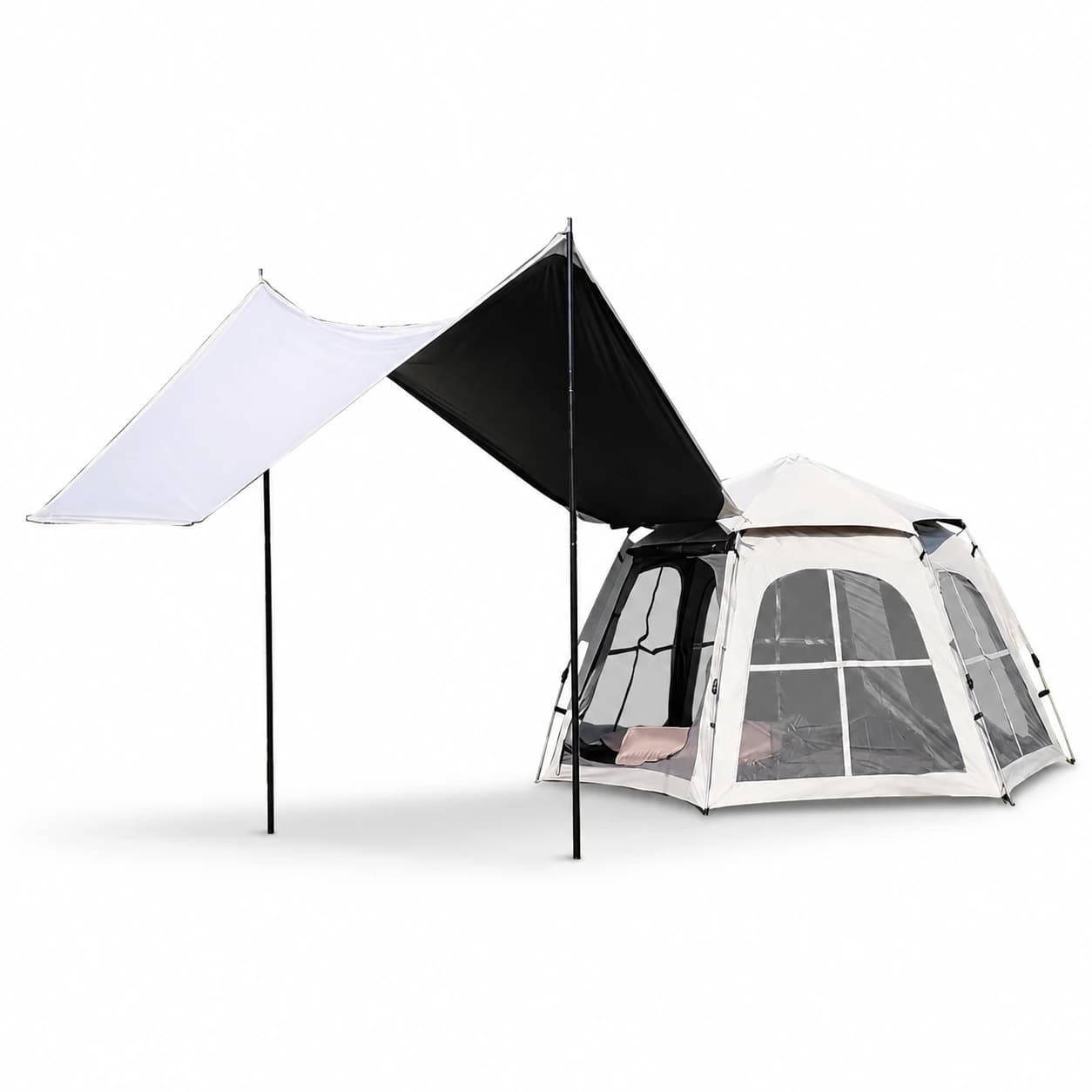
2-in-1 Hexagonal Camping Tent with Awning | 280 × 240 cm
Product format: Large Hexagonal Beige Tent with Canopy (2-in-1)
Wholesale fromUSD 42.84 per unit50–500 units · EXW
Explore tents and shelters by structure, size, fabric and intended use before selecting a reference product for your sourcing brief.
Use three catalogue starting points to choose which record to open. Compare the selected version before treating size, setup or weather wording as a purchasing conclusion.
| Product reference | Published structure | Version fields to compare | Next purchasing check |
|---|---|---|---|
| Automatic Pop-Up Camping Tent | Two Sizes | Automatic fiberglass frame; two listed sizes | 200 × 200 × 135 cm or 200 × 150 × 125 cm | Name the size and revision; review full pitched layout, contents and applicable evidence. |
| Inflatable Glamping Tent | 6.3 & 12 m² Models | Air-column structure; 6.3 m² and 12 m² model references | 300 × 220 × 220 cm or 300 × 400 × 200 cm | Keep model dimensions separate; confirm the offered pump, operating record and actual packing revision. |
| Compact Sleep Pod Tent | 230 × 200 × 120 cm Shelter | Low-profile sleep-pod format | Listed 230 × 200 × 120 cm; 4.6 m² label | Review usable interior, access and complete anchored footprint; the area label does not establish capacity. |
Plan the compact sleep-pod's site and operating task →
For an enquiry, include the exact product/version, market, channel and quantity with the layout, contents or document questions. Published fabric labels are not automatically complete-tent test results or project approvals.
Prepare a tent sourcing briefBuying automatic camping tents wholesale? Compare each size with its own frame, weight and packed dimensions, then choose quantities by configuration.
Product format: Large Hexagonal Beige Tent with Canopy (2-in-1)
Wholesale fromUSD 42.84 per unit50–500 units · EXW
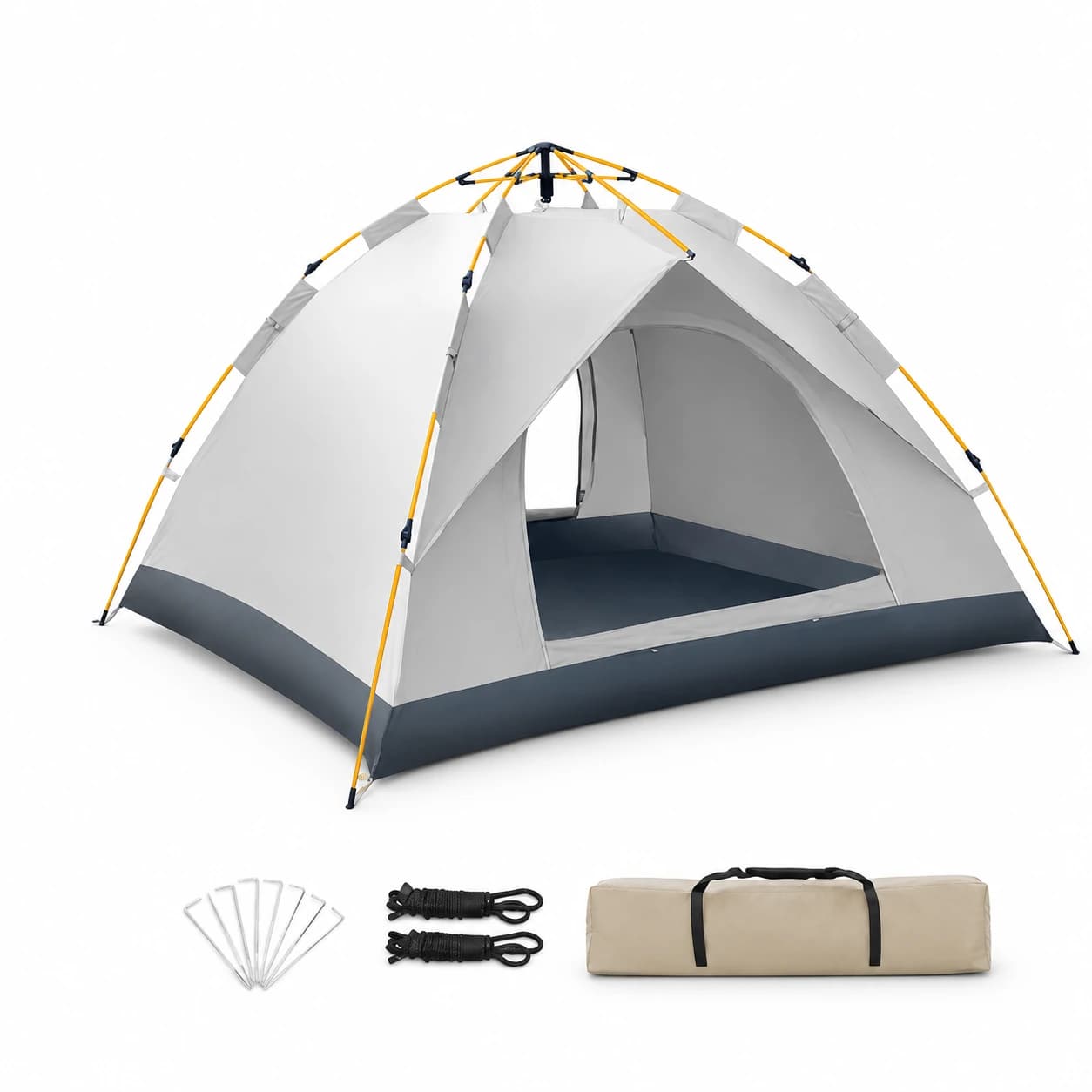
Overall dimensions: 200 × 200 × 135 cm (78.7 × 78.7 × 53.1 in) / 200 × 150 × 125 cm (78.7 × 59.1 × 49.2 in)
Wholesale fromUSD 14.28 per unit50–500 units · EXW
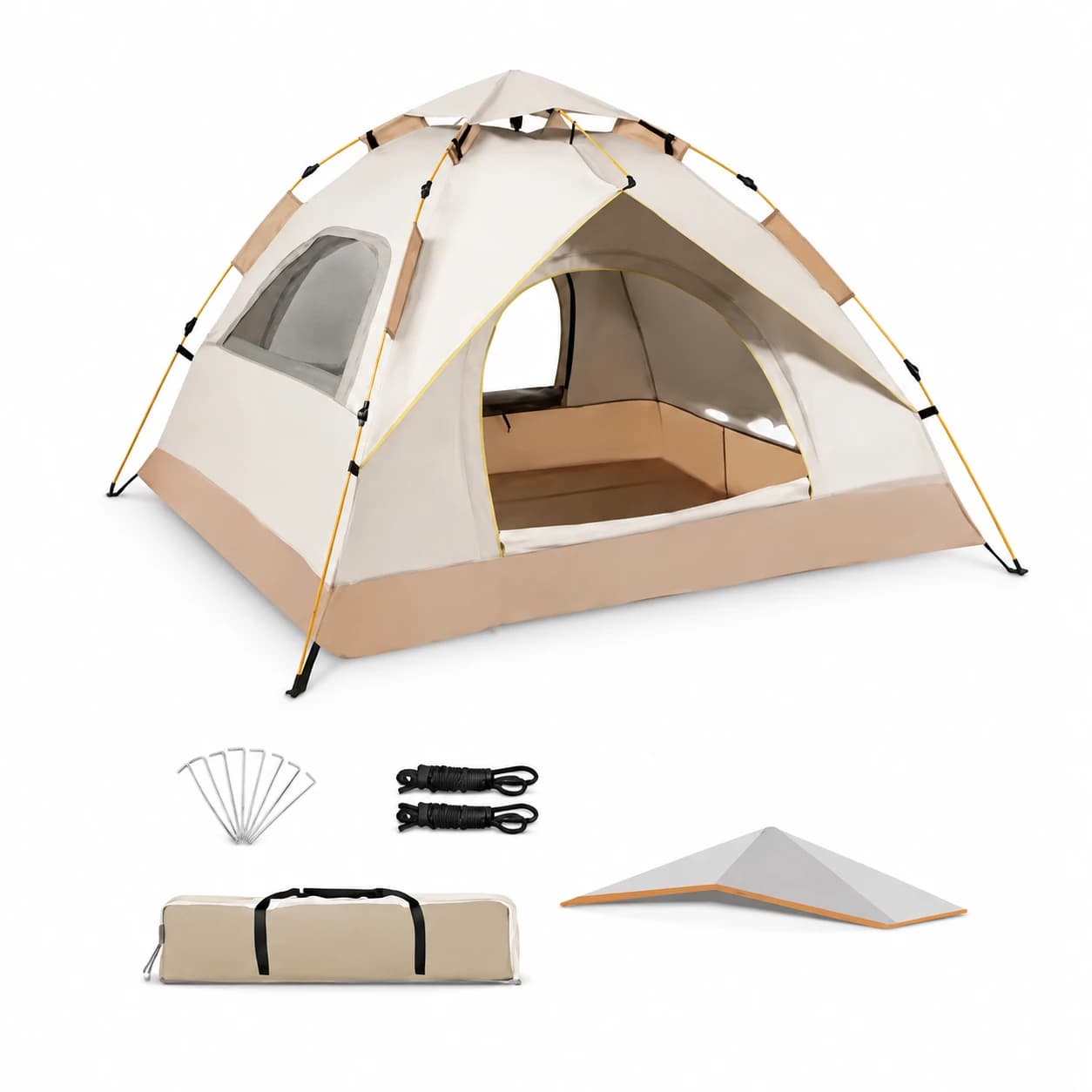
Overall dimensions: 200 × 150 × 125 cm (78.7 × 59.1 × 49.2 in) / 200 × 200 × 135 cm (78.7 × 78.7 × 53.1 in) / 220 × 200 × 135 cm (86.6 × 78.7 × 53.1 in)
Wholesale fromUSD 16.38 per unit50–500 units · EXW
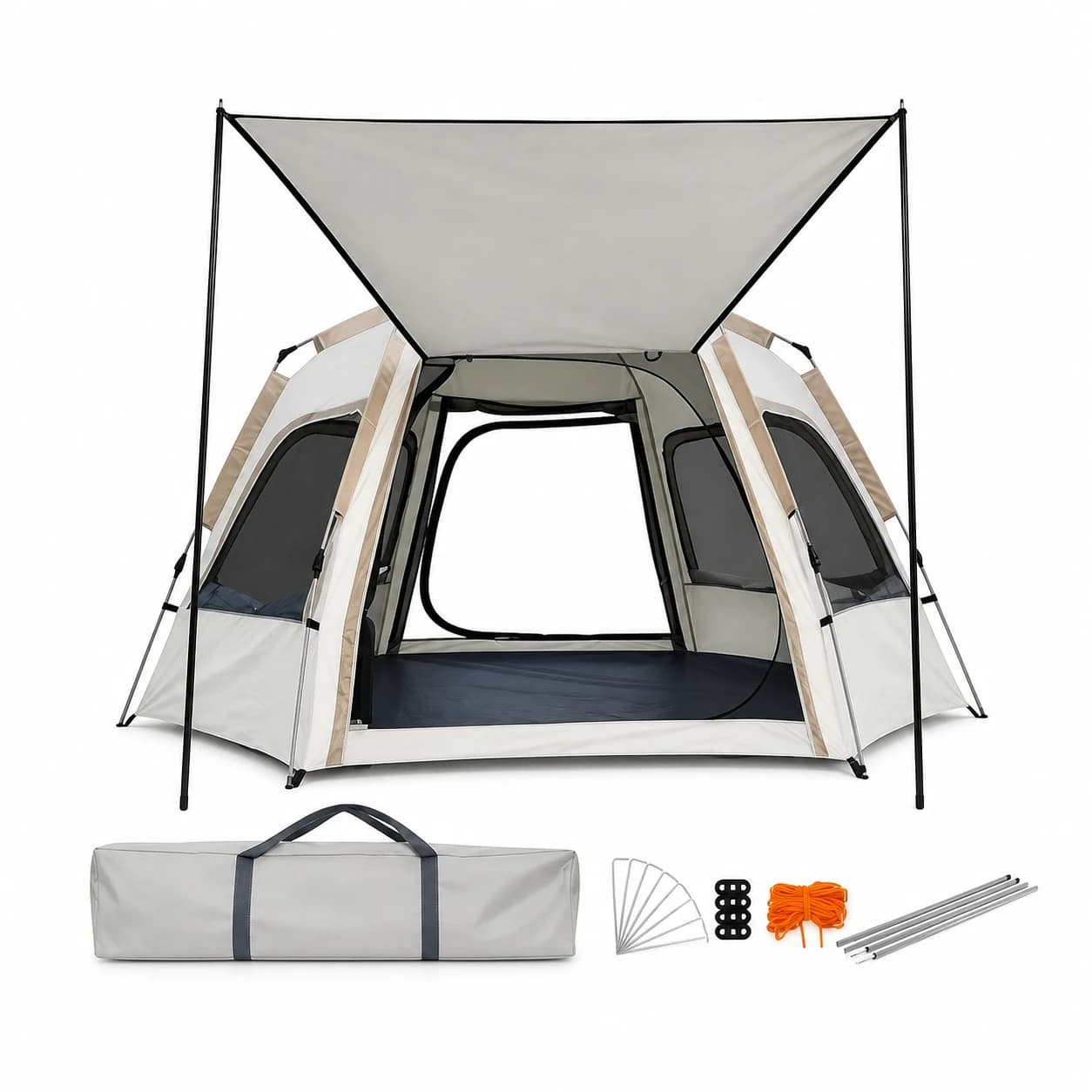
Overall dimensions: 280 × 240 × 155 cm (110.2 × 94.5 × 61.0 in) / 240 × 210 × 135 cm (94.5 × 82.7 × 53.1 in)
Wholesale fromUSD 27.51 per unit50–500 units · EXW
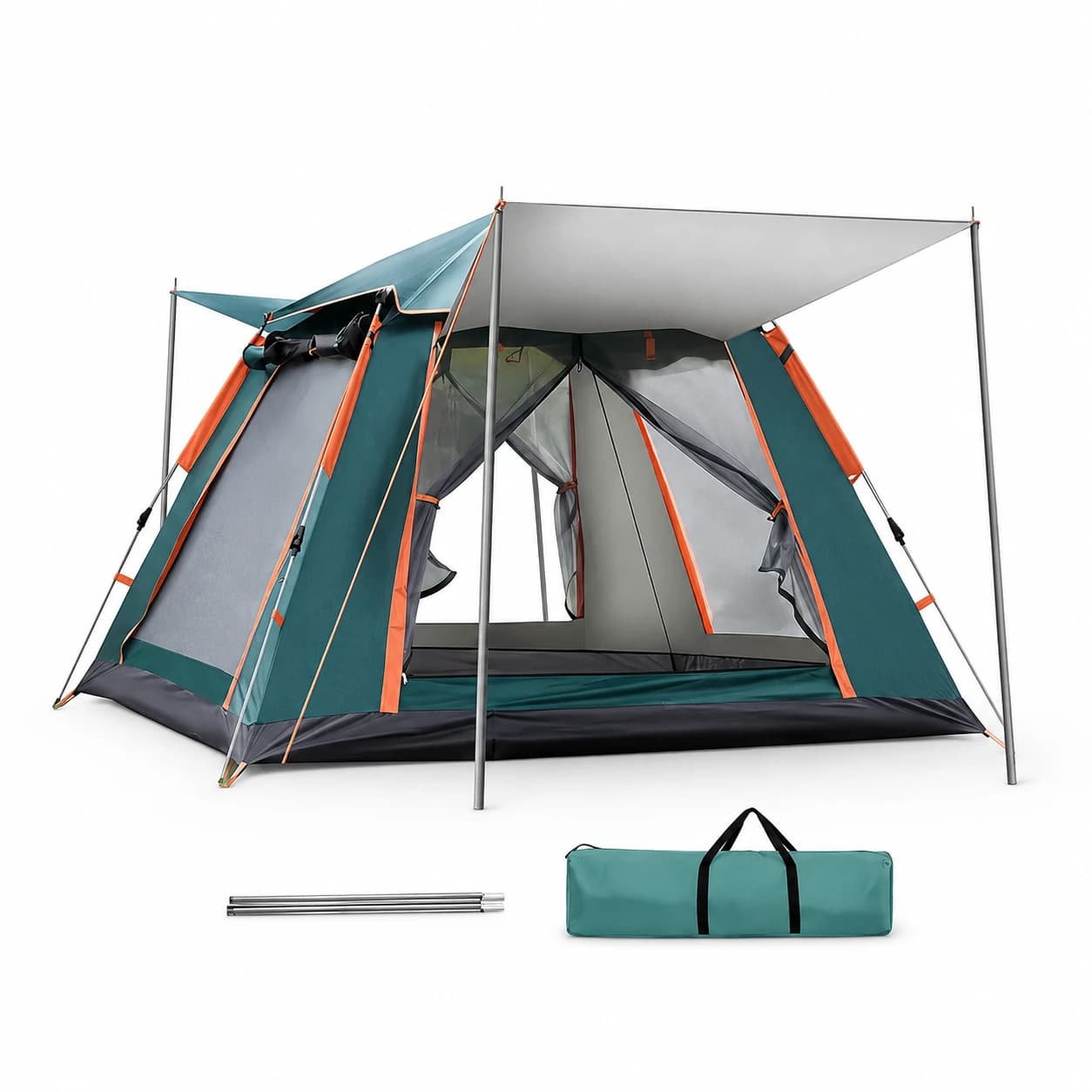
Overall dimensions: 240 × 240 × 155 cm / 160 cm (94.5 × 94.5 × 63.0 in) / 210 × 210 × 135 cm / 140 cm (82.7 × 82.7 × 55.1 in)
Wholesale fromUSD 23.52 per unit50–500 units · EXW
Source inflatable camping tents by layout and model. Compare the listed dimensions and materials; request the chosen model’s inflation instructions and included components before ordering.
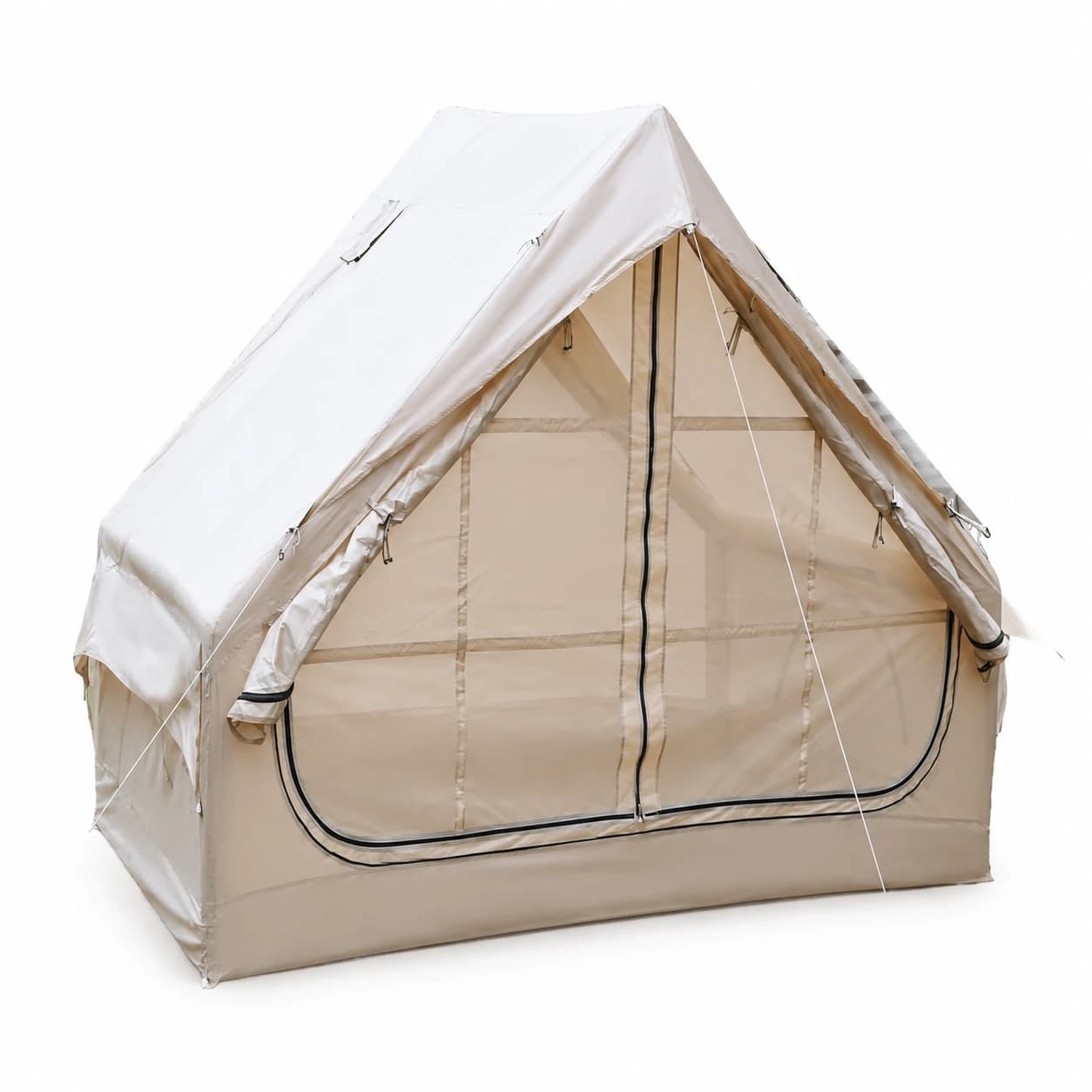
Product format: Lightweight Inflatable Tents
Wholesale fromUSD 134.40 per unit50–500 units · EXW
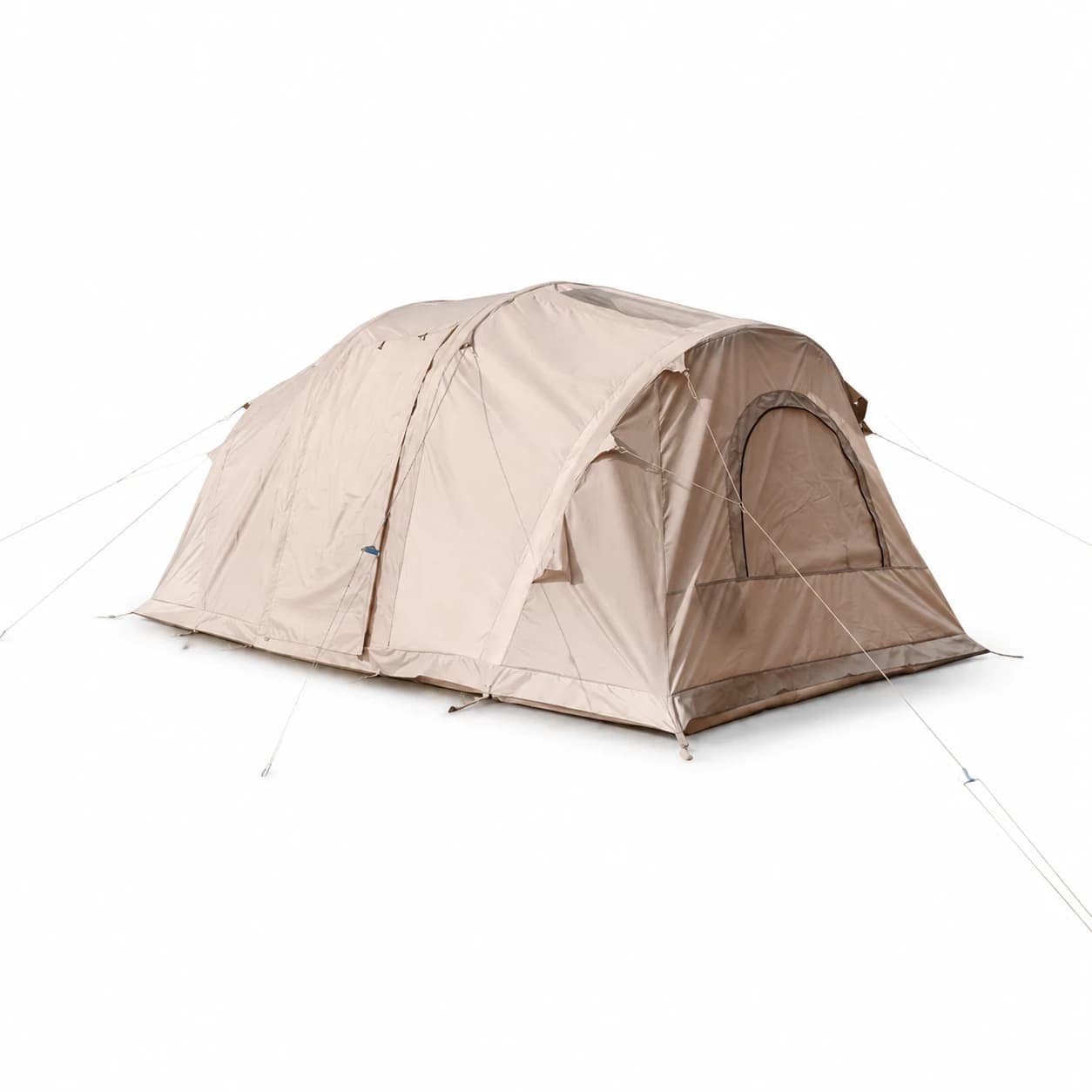
Product format: inflatable tunnel tent
Wholesale fromUSD 239.37 per unit50–500 units · EXW
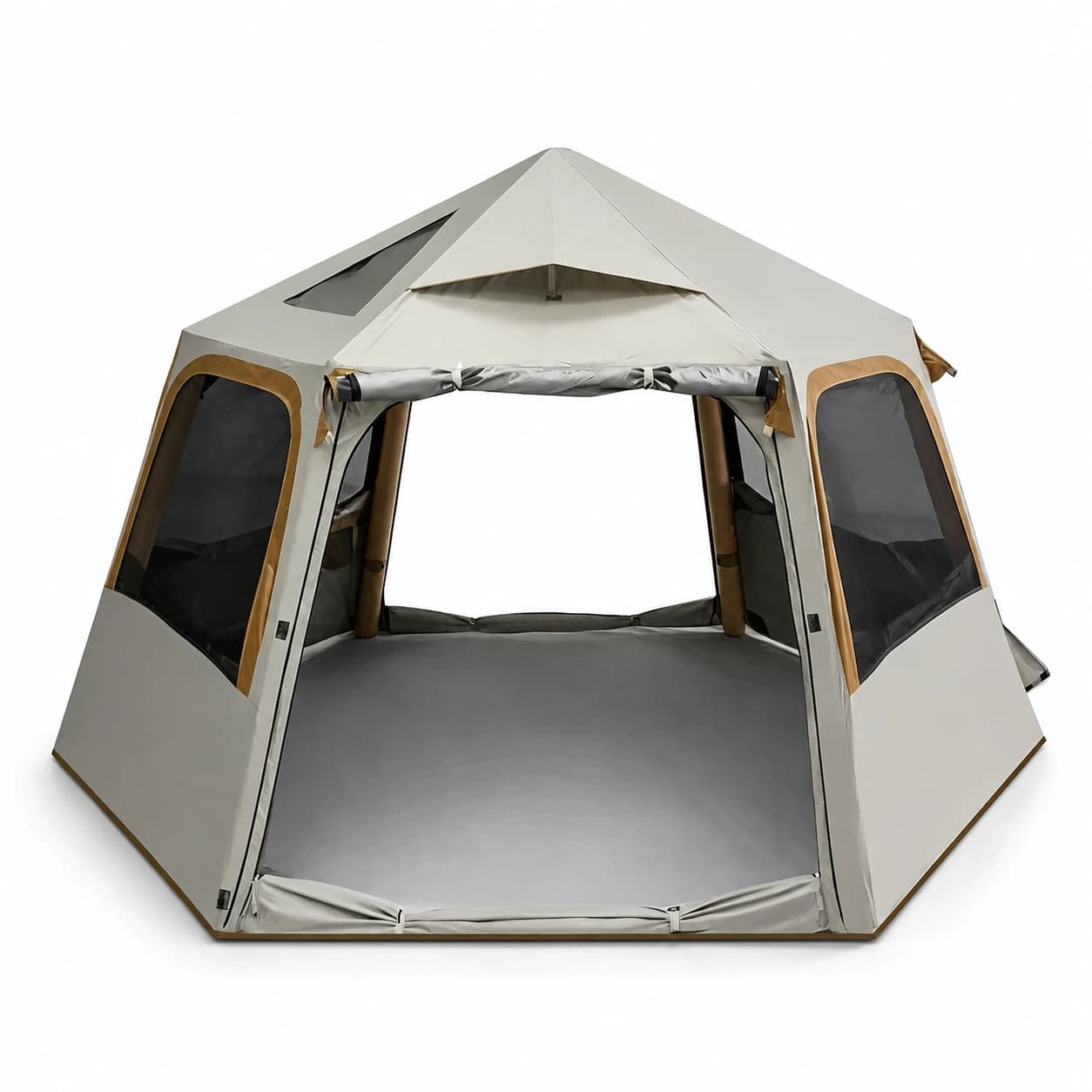
Size: 292 × 146 × 200 cm
Wholesale fromUSD 116.13 per unit50–500 units · EXW
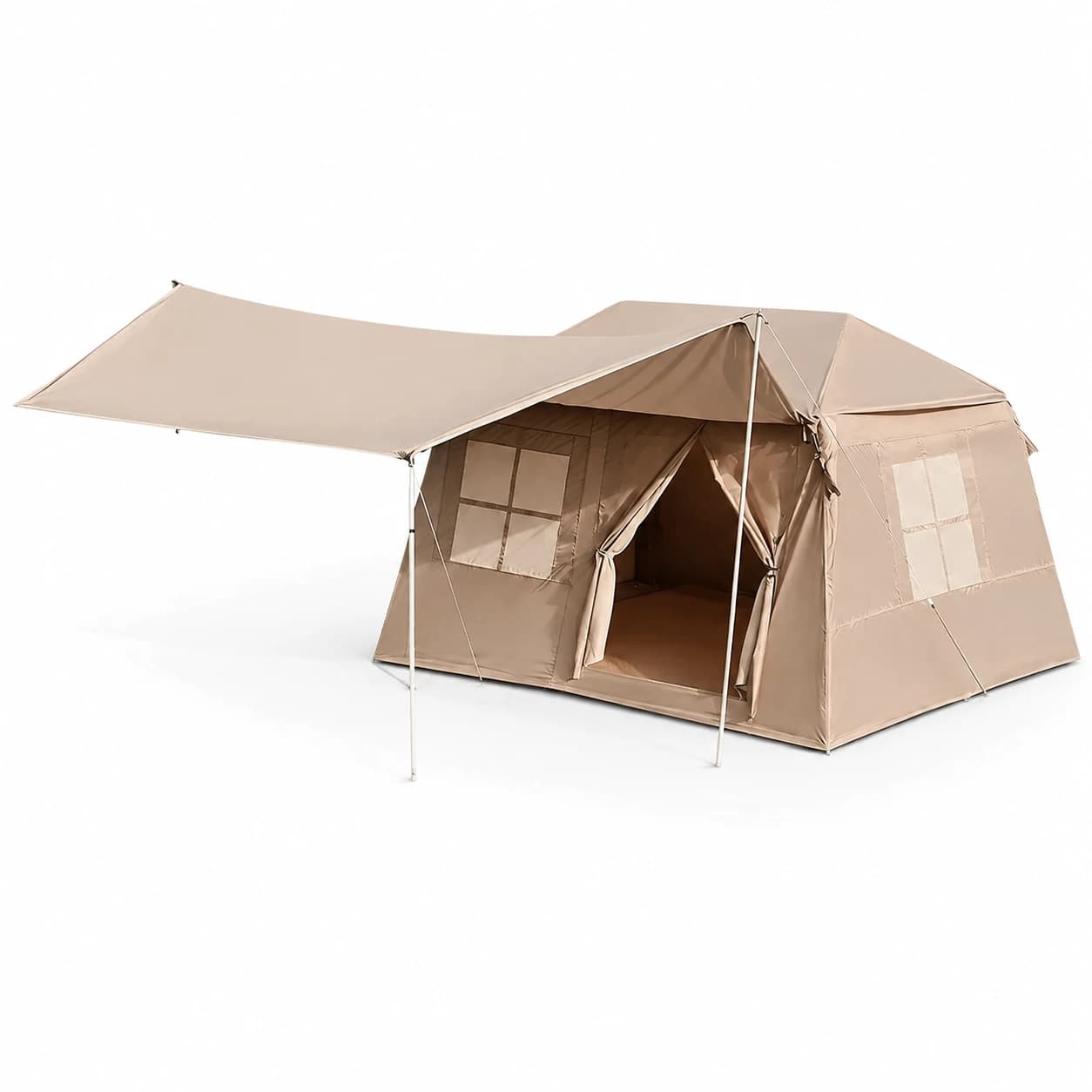
Footprint: 3.3 × 4.2 m
Wholesale price on request
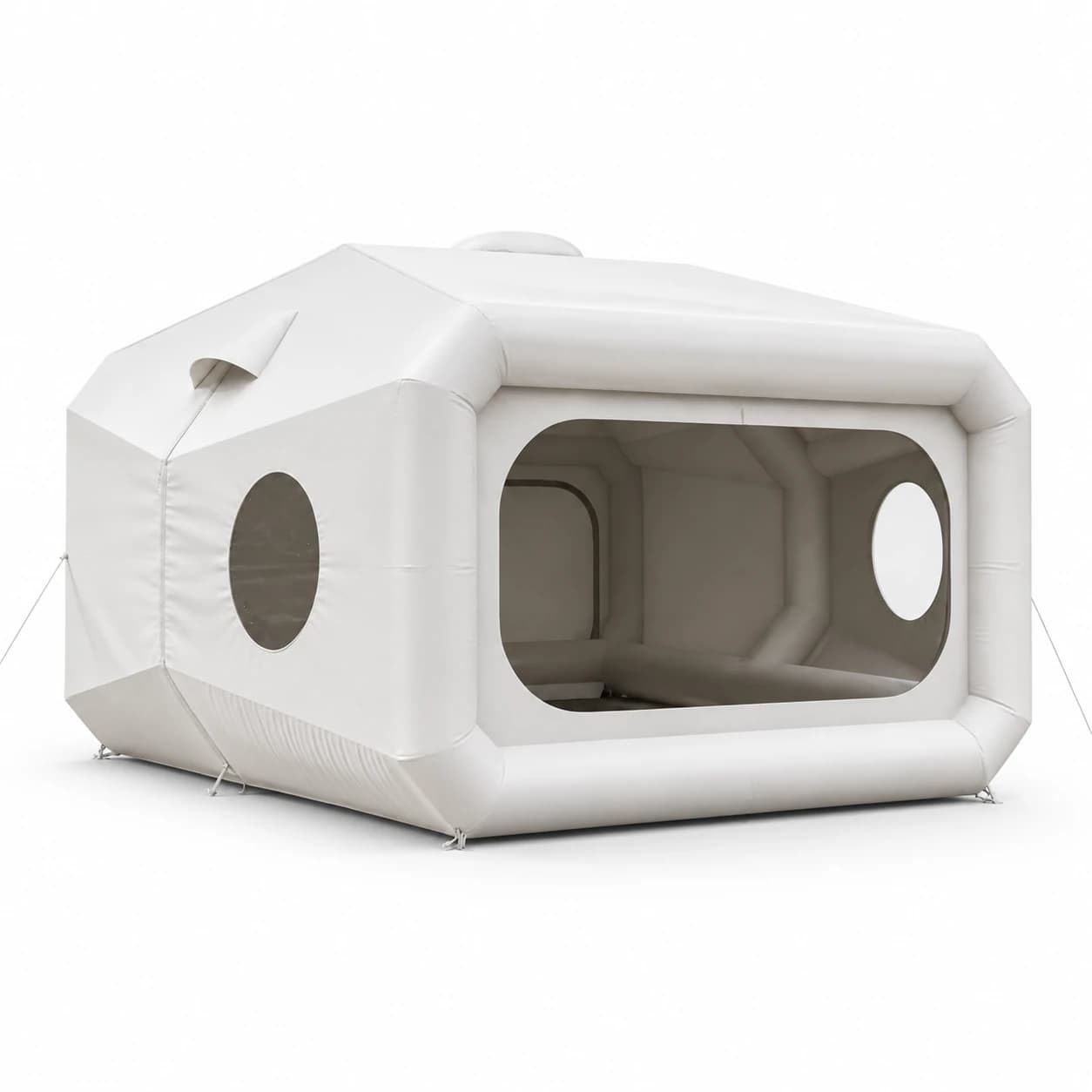
Product format: inflatable capsule tent
Wholesale fromUSD 535.97 per unit50–500 units · EXW
Small model: 330 × 230 × 180 cm
Wholesale fromUSD 162.99 per unit50–500 units · EXW
6.3 m²: 300 × 210 × 200 cm
Wholesale fromUSD 160.95 per unit50–500 units · EXW
Floor area: 6.3 m²
Wholesale fromUSD 163.21 per unit50–500 units · EXW
Build a family-tent assortment around the listed floor dimensions, entrances and shelter shape. Ask for a layout for the intended use rather than deriving occupancy from photographs.
Expanded size: 420 × 230 × 180 cm
Wholesale fromUSD 266.07 per unit50–500 units · EXW
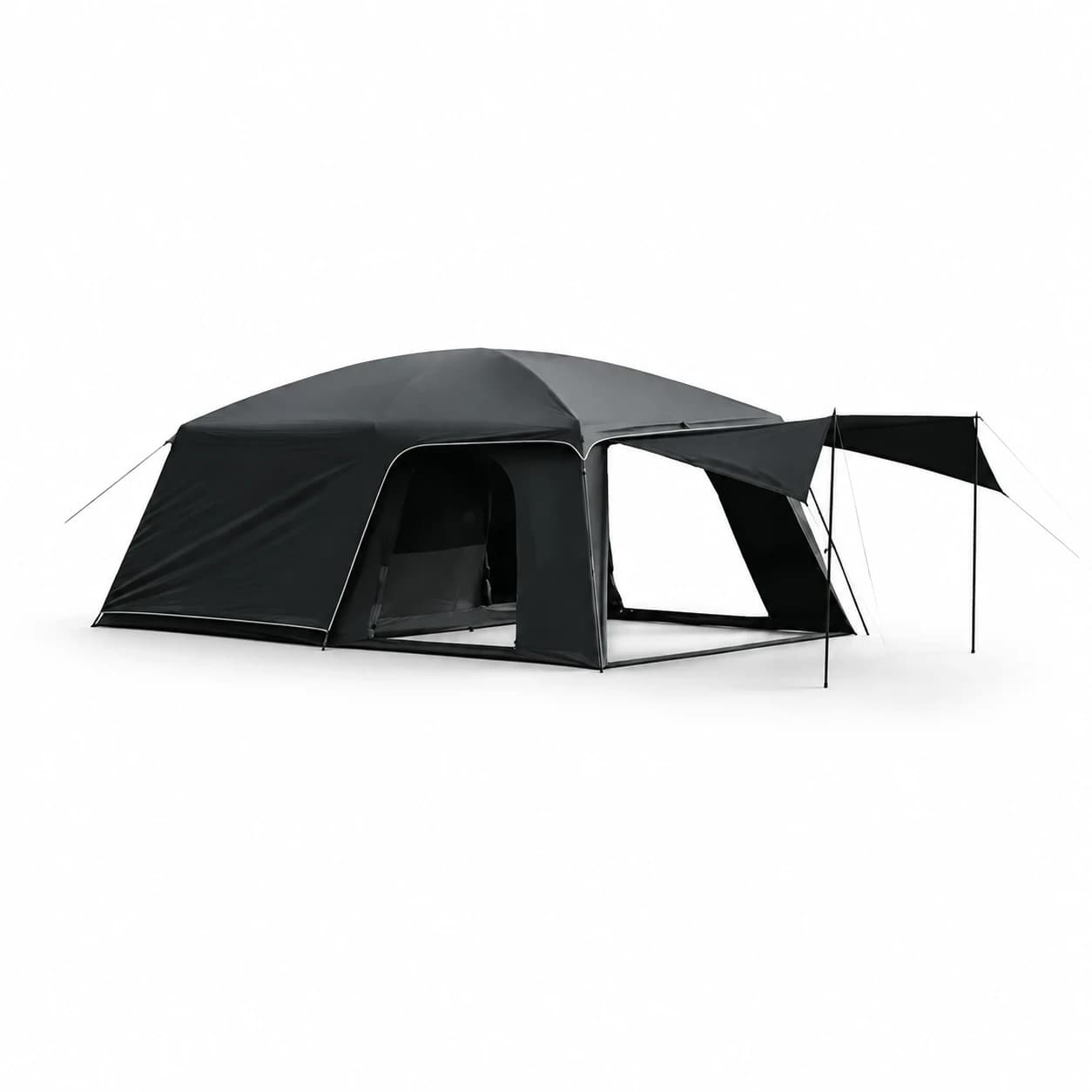
Outer size: 510 × 310 × 220 cm
Wholesale fromUSD 47.88 per unit50–500 units · EXW
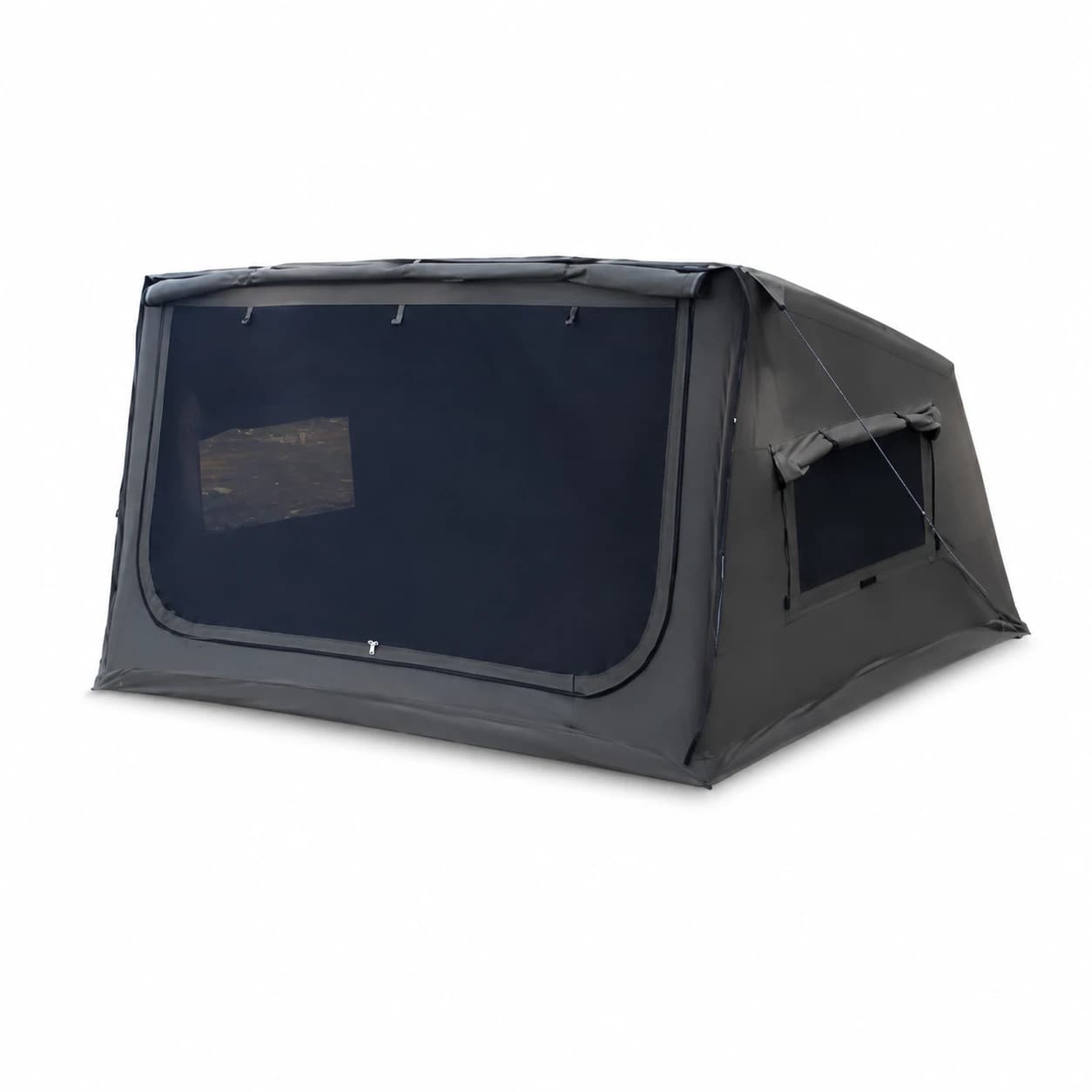
Floor area: 4.6 m²
Wholesale fromUSD 116.13 per unit50–500 units · EXW
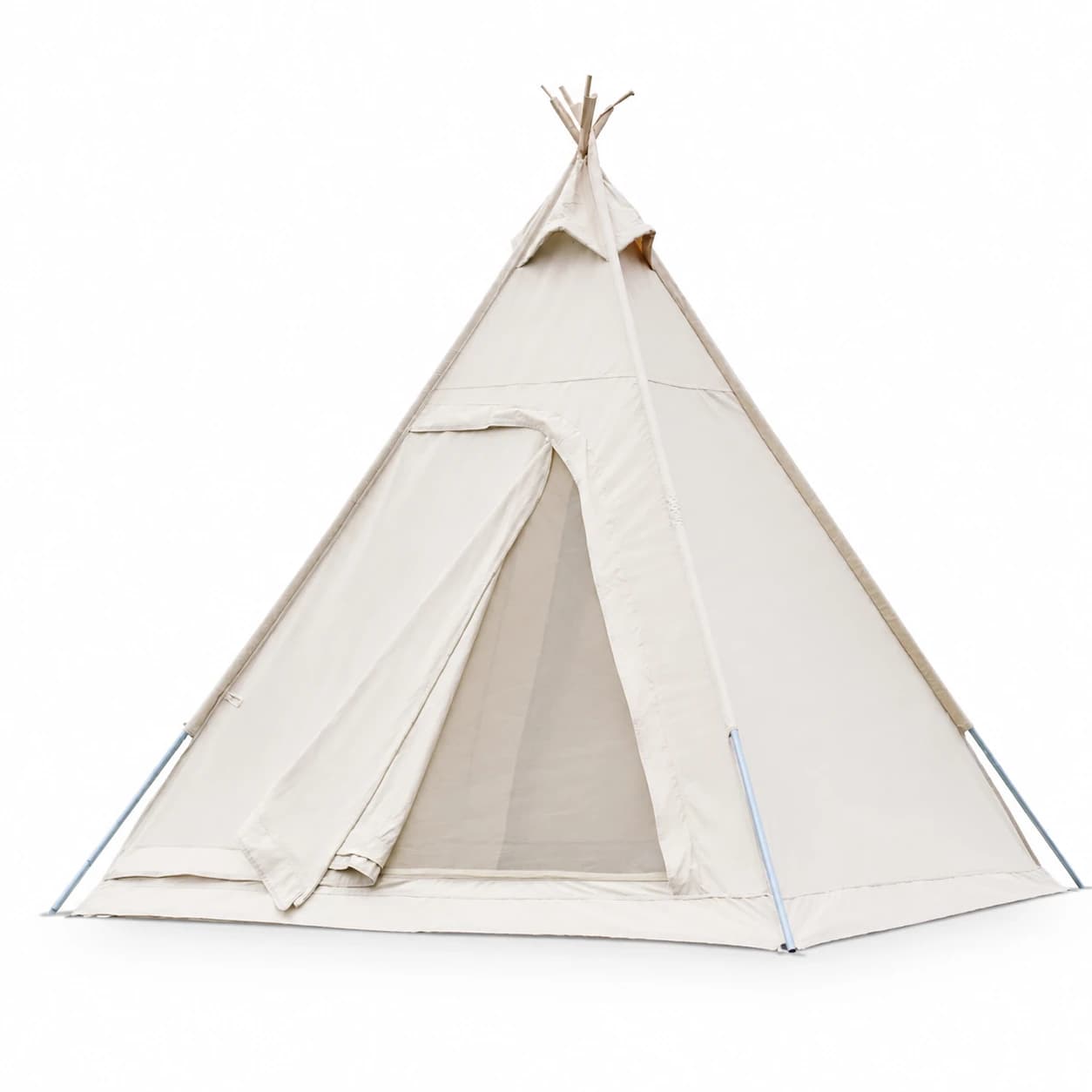
Product format: pyramid camping tent
Wholesale fromUSD 48.36 per unit50–500 units · EXW
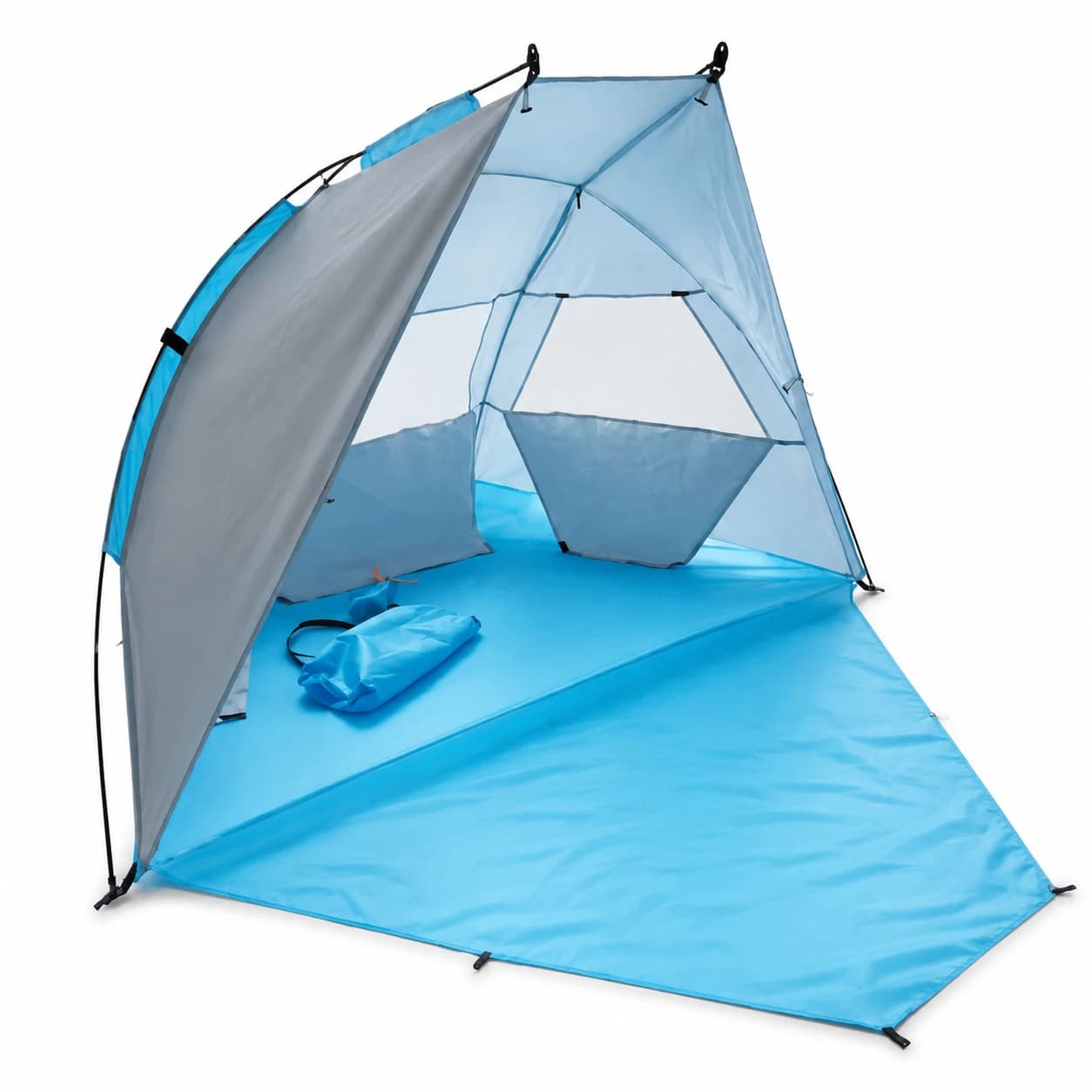
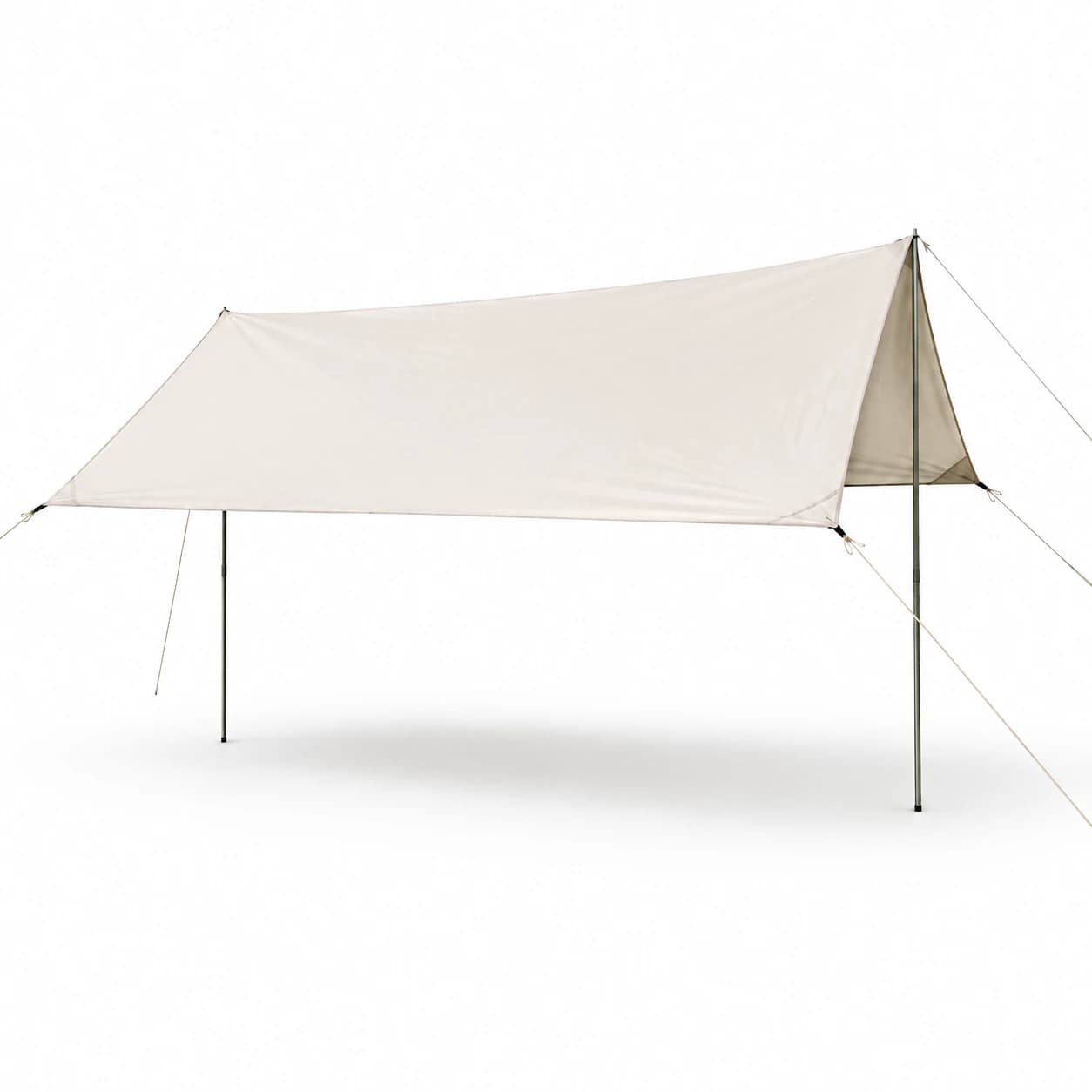
Compare beach shelters and canopy tarps as different products for your range. Specify the required dimensions, poles and supplied accessories; request evidence for any sun-protection claim.
Start with the intended users and setting, then compare the dimensions, fabric, frame, packed format and included components shown on each product page.
Outdoor retailers, distributors and procurement teams can compare published product references across camping, beach, hiking and sleep categories, then turn the shortlist into a focused B2B enquiry.
Open the closest product page, review its published details and send the reference with your intended use, target market, estimated quantity and required specification.
Yes. List each product name or link so the request remains tied to the published catalog.
Compare the fields published on each page, such as construction, dimensions, materials, colour, capacity and included items.
Build a tent assortment around the space a customer needs to use, the way the shelter is carried and the setup format. Keep three measurements separate in your product sheet: the erected dimensions, any separately stated inner dimensions, and the packed dimensions. They answer different questions. Erected dimensions describe the listed outline; inner dimensions help plan the sleeping layout; the packed size helps compare storage and transport. A packed bag is not an export carton. Record the product version alongside every measurement so a larger model’s dimensions are never paired with a smaller model’s weight.
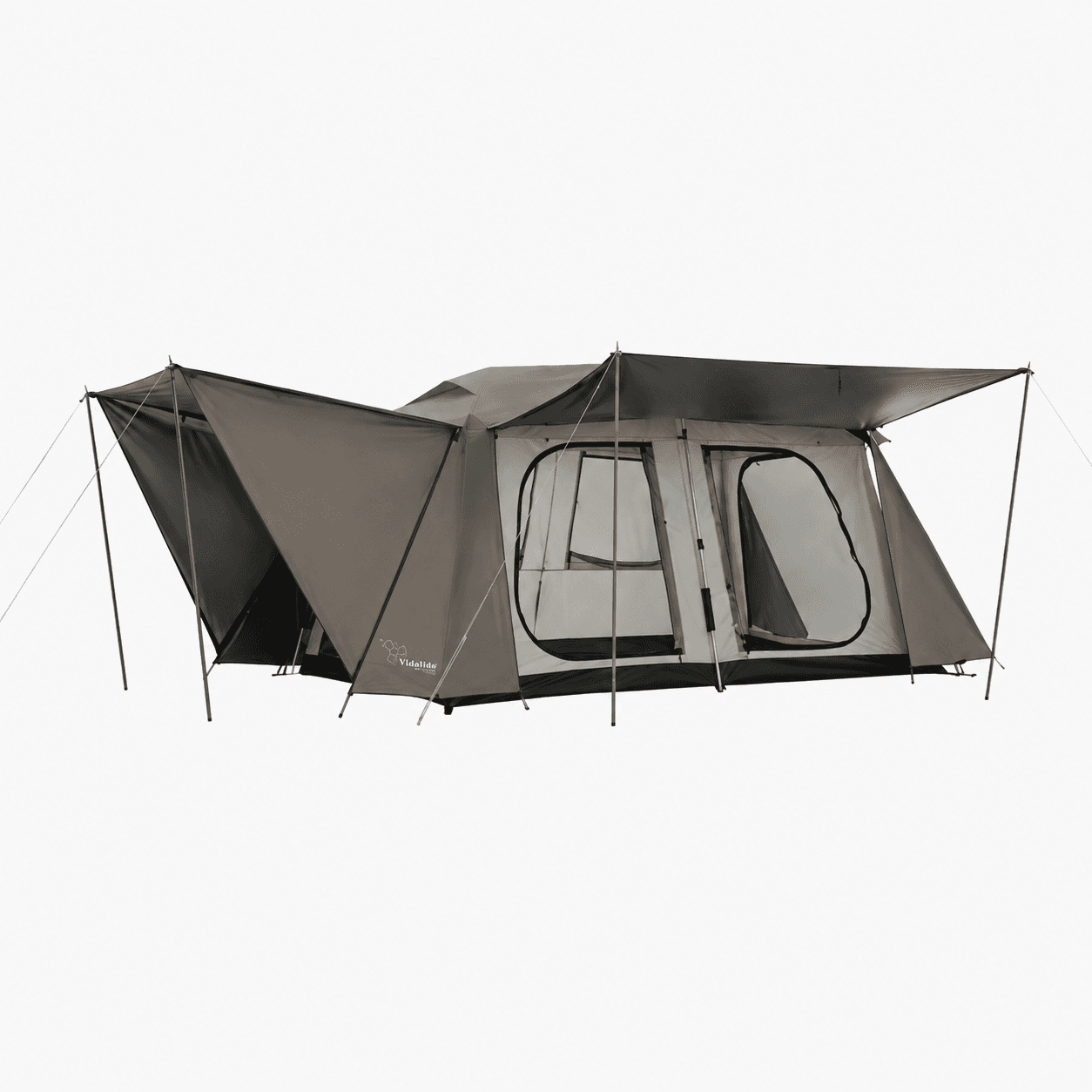
Each photo identifies the named catalog reference. These are separate products, not a bundled set or evidence of a completed customer project.
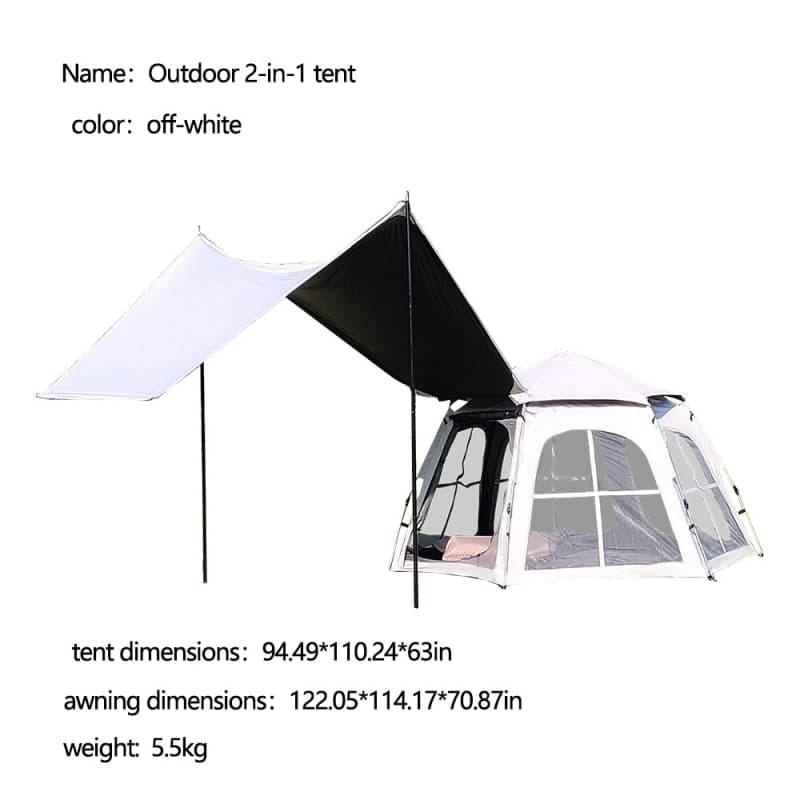
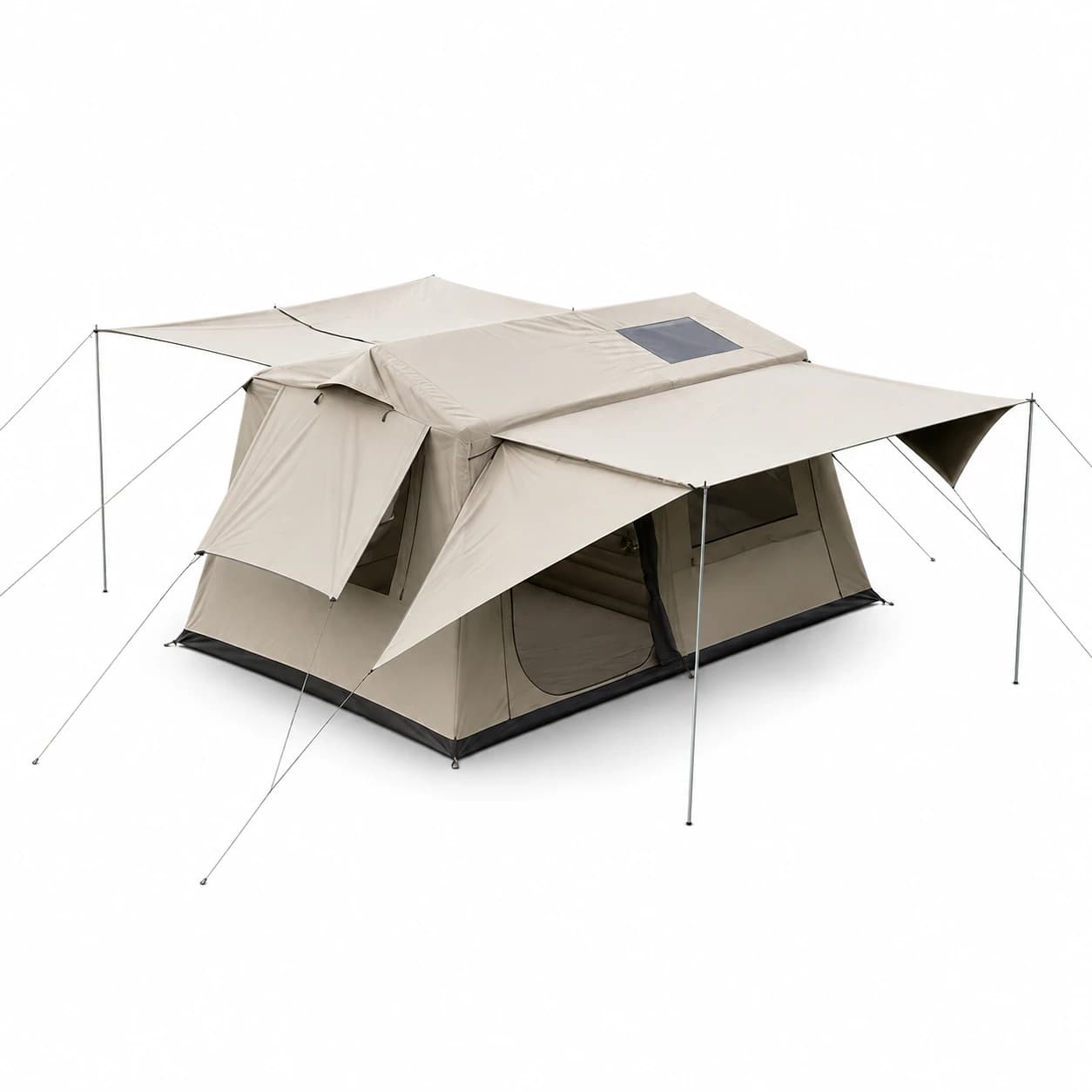
The tent and awning have separate dimensions: the tent is listed at 280 × 240 × 160 cm and the awning at 310 × 290 × 180 cm. Keep these as two outlines in a display or campsite drawing. The tent frame is 8.5 mm fiberglass, while the awning poles are 17 mm steel. Do not merge the two structures into a single pole-material description.
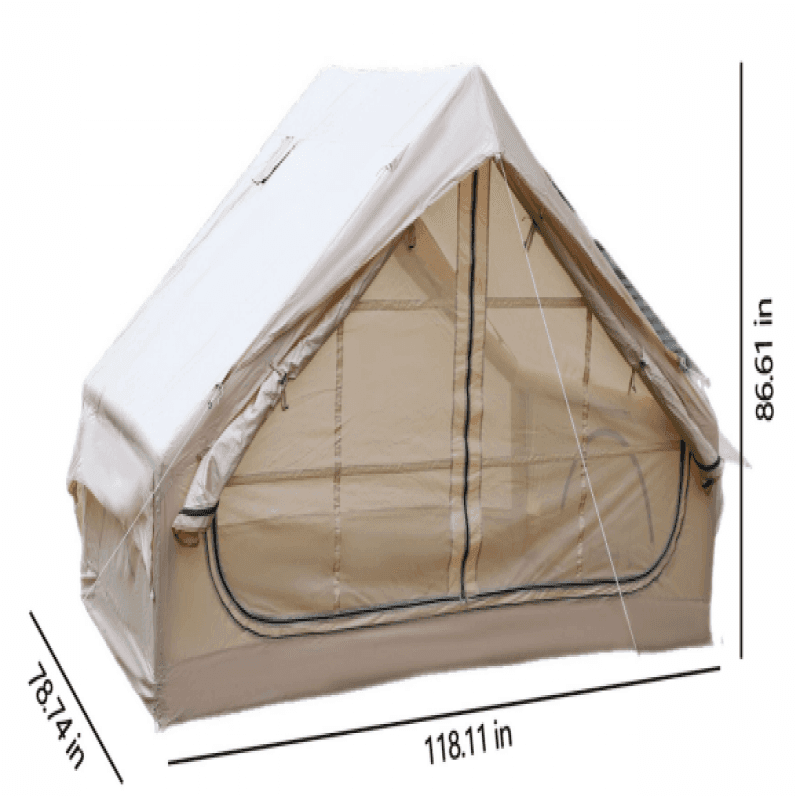
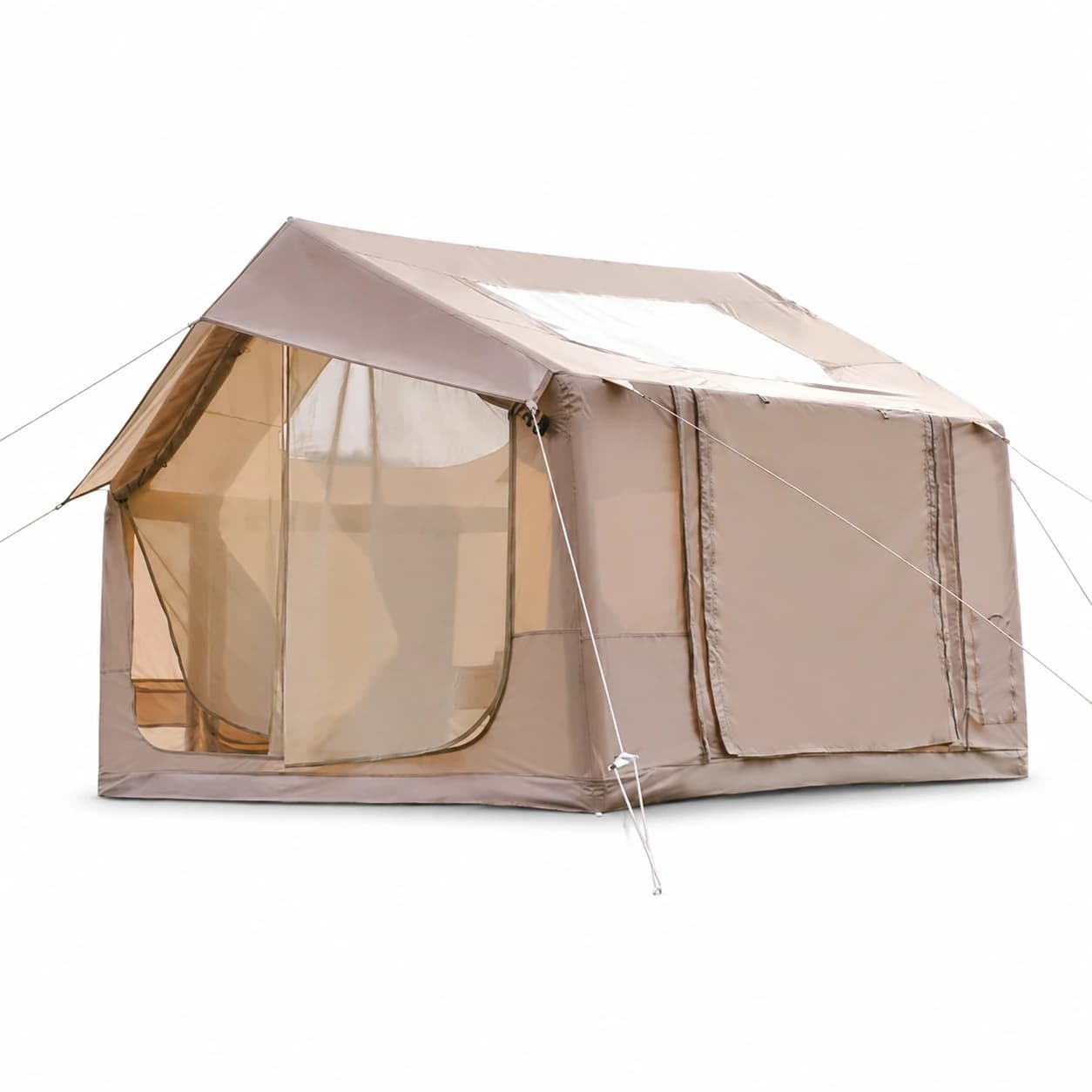
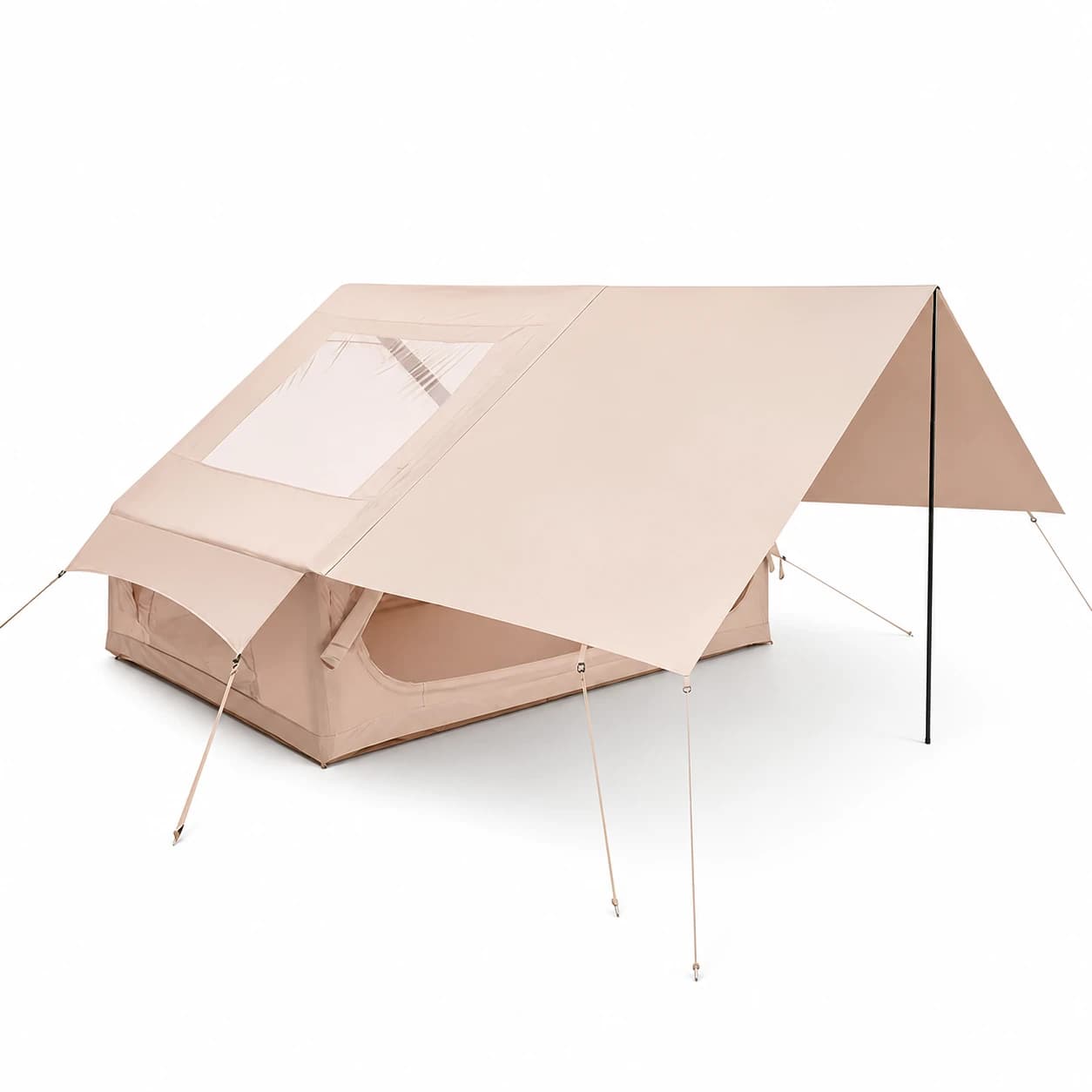
The 6.3 m² model name is published alongside 300 × 220 × 220 cm dimensions; retain both labels rather than calculating a replacement floor area. The 12 m² model is listed at 300 × 400 × 200 cm. The record also names 12 cm air columns, a manual pump, fourteen stakes and ten guylines. Keep the inflation instructions and component list tied to the chosen model.
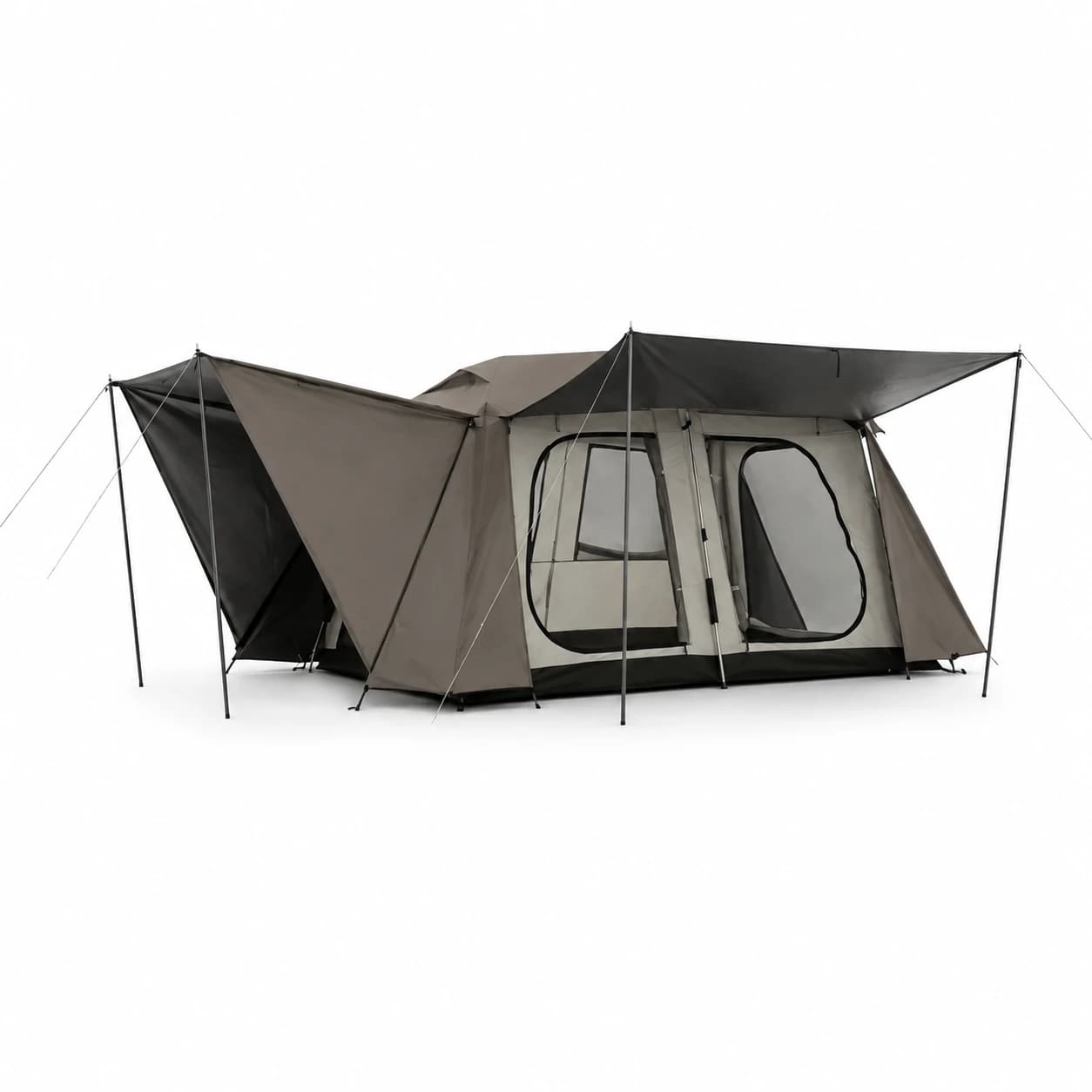
The 420 cm villa tent separates an outer size of 420 × 230 × 180 cm from an inner size of 320 × 220 × 170 cm. Use the inner measurement for a sleeping-layout brief and the outer measurement for the overall outline. Its 101 cm packed length is a different transport shape from the larger HILLTOP PRO reference. Blackout fabric is a material description, not a quantified temperature or light-transmission result.
| Product reference | Catalog specifications |
|---|---|
| 2-in-1 Hexagonal Camping Tent with Awning | 280 × 240 cm |
|
| Inflatable Glamping Tent | 6.3 & 12 m² Models |
|
| 420 cm Villa Camping Tent | 150D Blackout Family Shelter |
|
Keep one specification sheet for each shortlisted version. Put the product URL, size, colour and dated photographs at the top, then distinguish published facts from requested changes. If the brief combines a tent, a cooking item and clothing, give each its own line and quantity. Their dimensions, materials and accessories describe different things and should not be merged into a single specification. For example, a tent’s packed length is a storage measurement, a kettle’s external dimensions do not state its usable capacity, and backpack litres do not describe torso fit. When a field is absent, leave it marked for confirmation instead of borrowing a value from a visually similar item. Before comparing quotations, check that they refer to the same version and supply scope. Record any substitutions explicitly, including the affected component, colour or packaging. This makes later sample review more useful: the reviewer can compare an identified item against a written requirement instead of trying to reconstruct a decision from a photo and a price.
Build a tent assortment around the space a customer needs to use, the way the shelter is carried and the setup format. Keep three measurements separate in your product sheet: the erected dimensions, any separately stated inner dimensions, and the packed dimensions. They answer different questions. Erected dimensions describe the listed outline; inner dimensions help plan the sleeping layout; the packed size helps compare storage and transport. A packed bag is not an export carton. Record the product version alongside every measurement so a larger model’s dimensions are never paired with a smaller model’s weight.
The tent and awning have separate dimensions: the tent is listed at 280 × 240 × 160 cm and the awning at 310 × 290 × 180 cm. Keep these as two outlines in a display or campsite drawing. The tent frame is 8.5 mm fiberglass, while the awning poles are 17 mm steel. Do not merge the two structures into a single pole-material description.
The 6.3 m² model name is published alongside 300 × 220 × 220 cm dimensions; retain both labels rather than calculating a replacement floor area. The 12 m² model is listed at 300 × 400 × 200 cm. The record also names 12 cm air columns, a manual pump, fourteen stakes and ten guylines. Keep the inflation instructions and component list tied to the chosen model.
The 420 cm villa tent separates an outer size of 420 × 230 × 180 cm from an inner size of 320 × 220 × 170 cm. Use the inner measurement for a sleeping-layout brief and the outer measurement for the overall outline. Its 101 cm packed length is a different transport shape from the larger HILLTOP PRO reference. Blackout fabric is a material description, not a quantified temperature or light-transmission result.
Keep one specification sheet for each shortlisted version. Put the product URL, size, colour and dated photographs at the top, then distinguish published facts from requested changes. If the brief combines a tent, a cooking item and clothing, give each its own line and quantity. Their dimensions, materials and accessories describe different things and should not be merged into a single specification. For example, a tent’s packed length is a storage measurement, a kettle’s external dimensions do not state its usable capacity, and backpack litres do not describe torso fit. When a field is absent, leave it marked for confirmation instead of borrowing a value from a visually similar item. Before comparing quotations, check that they refer to the same version and supply scope. Record any substitutions explicitly, including the affected component, colour or packaging. This makes later sample review more useful: the reviewer can compare an identified item against a written requirement instead of trying to reconstruct a decision from a photo and a price.
Send the product reference, intended use, target market, estimated quantity and required specification.