Skip to content
English
SEAWING

Choose your currency

Browse prices in a currency you know.

Popular currencies

All currencies (46)

Reference rates update daily.

New orders use your selected currency. The rate and payable amount are fixed when the order is created; the confirmed order includes any agreed shipping or adjustments.

Frankfurter ↗
Inquiry list

How Seawing Supports Outdoor Product Sourcing

Seawing is the public brand of Zhangjiagang Seawing Import & Export Trade Co., Ltd. Use our outdoor catalogue to identify products and request a written, product-specific quotation. We do not present factory ownership, audit results or laboratory testing as established facts without supporting documents.

How does Seawing support an outdoor-product sourcing enquiry?

Seawing is the public brand of Zhangjiagang Seawing Import & Export Trade Co., Ltd. Use our outdoor catalogue to identify products and request a written, product-specific quotation. We do not present factory ownership, audit results or laboratory testing as established facts without supporting documents.

Trading company or factory?

The legal entity is an import and export trading company registered in Zhangjiagang, China. A catalogue image or video is not proof of an owned factory. Ask who manufactures the selected product and which entity will appear on the quotation and invoice.

Which products can I source?

The current catalogue covers tents and shelters, camp kitchen and lighting, packs and outdoor apparel, and sleeping equipment and accessories. Send the exact product reference, intended use and destination market; availability is confirmed during enquiry.
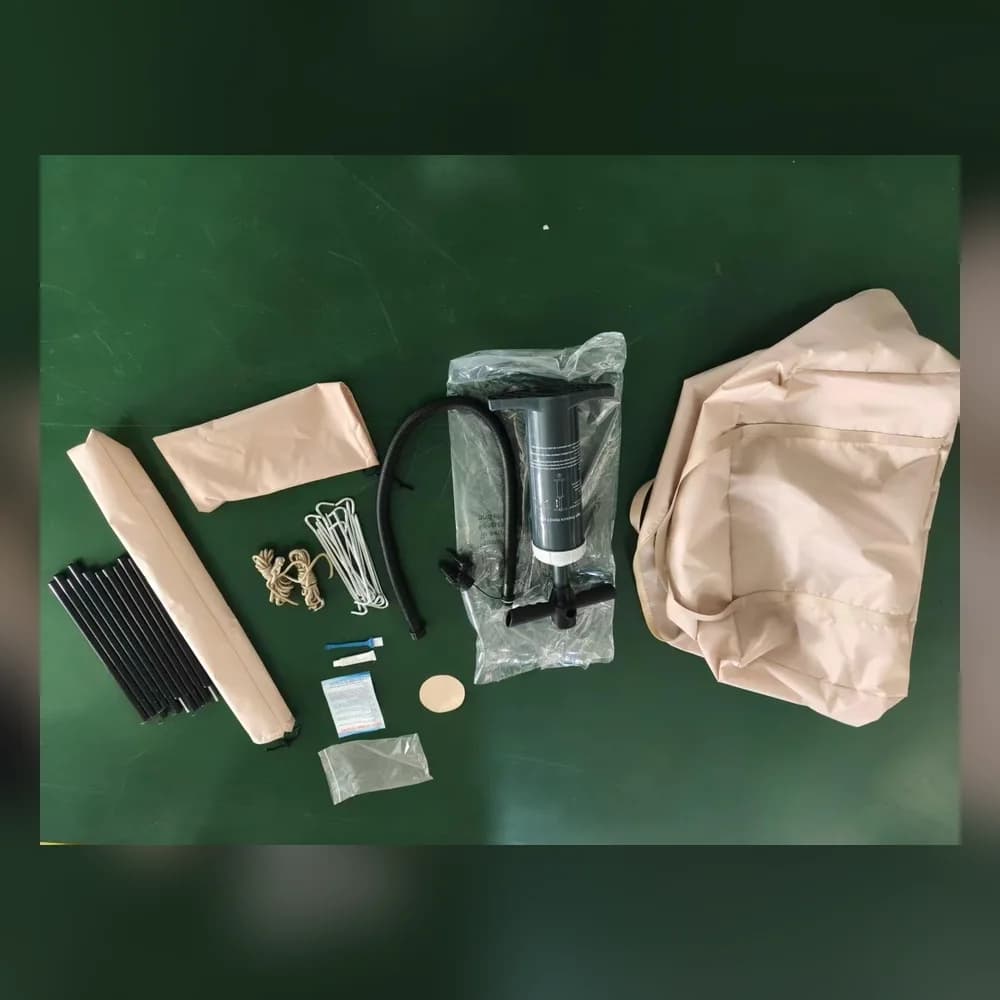
Tent component set
Tent component set

How are suppliers and specifications checked?

Request the proposed supplier identity, current specification, material and component list, packaging information and relevant supporting documents. Do not infer supplier qualification from an attractive photograph or a generic certificate.

Can I request samples or customization?

State the model, quantity, colors, logo, packaging and sample purpose. Sample cost, feasibility, MOQ and timing need written confirmation. An approved sample should be linked to the final specification and any agreed differences.
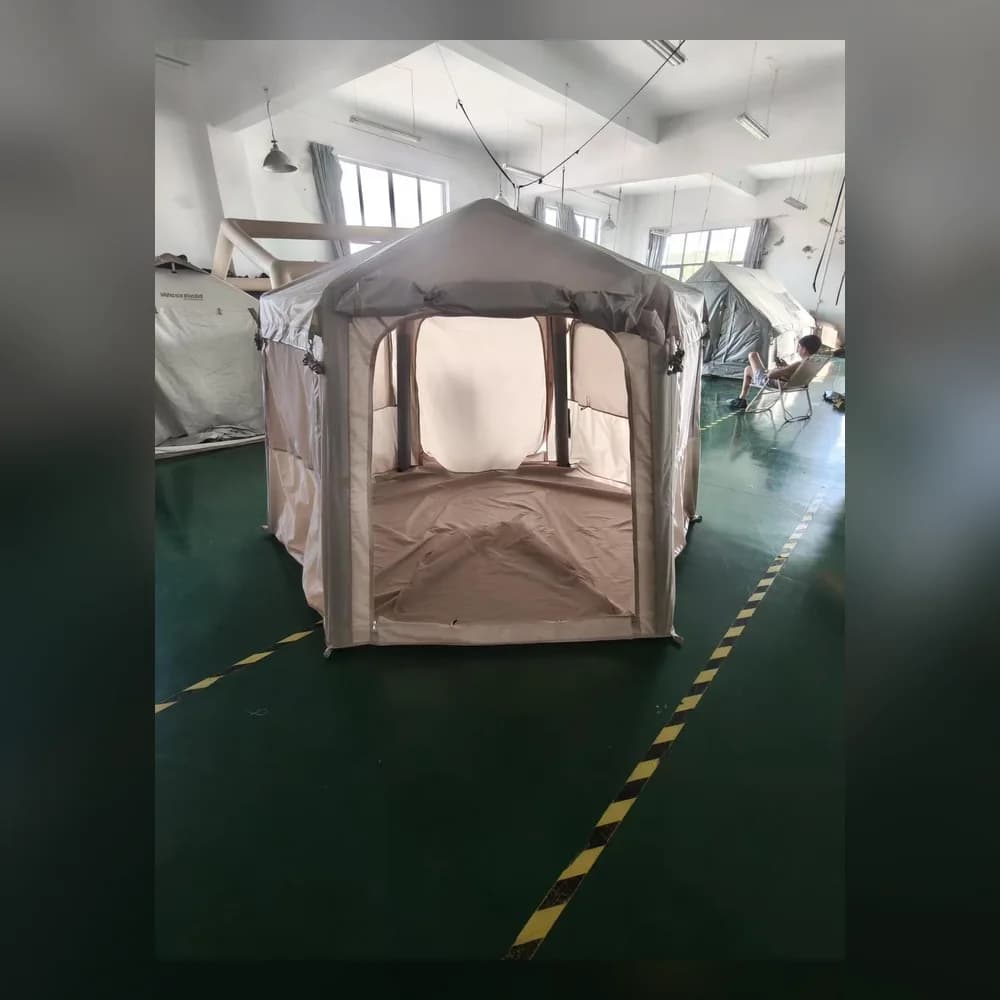
Prototype front view

Who handles quality checks and factory audits?

Agree the inspection scope, responsible party, acceptance criteria, sampling method and reporting before ordering. Ask whether a third-party audit or inspection can be arranged and obtain its separate scope and cost. No audit result is implied by this page.

What do videos and test reports prove?

A video can show an observable operation for the filmed item. It cannot establish batch consistency, load capacity, waterproof performance or certification. A report must identify the tested configuration, method, date, laboratory and applicable scope.
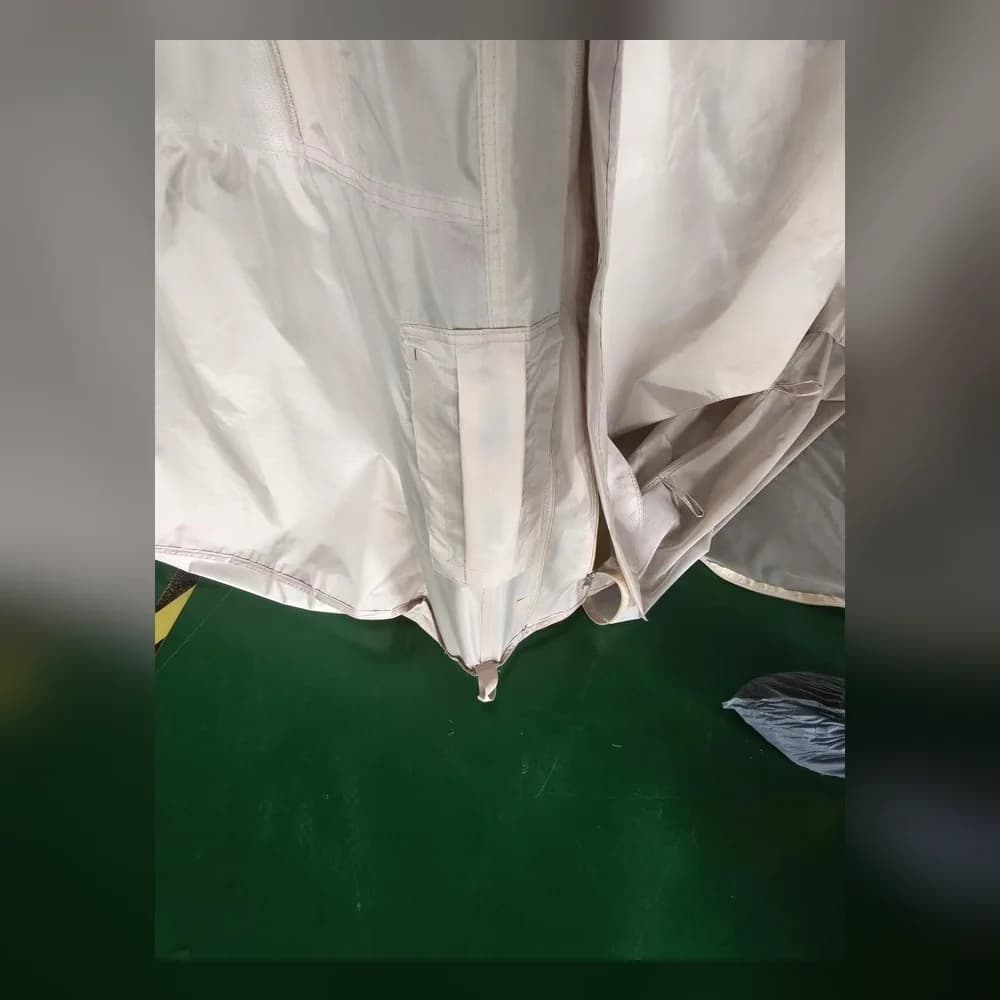
Fabric-join detail
Fabric-join detail

How are export and destination requirements handled?

Provide the destination, intended buyer and use, and ask which documents and responsibilities apply to the exact product. Market access and legal interpretation require product-specific review by the responsible importer or qualified adviser.

How do quotations and payment work?

Published USD EXW prices are references for the stated configuration and quantity tier, not a payable order. Confirm the final scope, delivery terms, freight boundary and amount in writing. After order confirmation, choose email or WhatsApp delivery of the payment link; no payment is collected by the enquiry form.

What should I send first?

Add up to 10 product references to the enquiry list. Include quantity, model, color, branding, packaging, target market and timing request. Missing fields remain to be confirmed; they are not treated as an agreed specification.
Prepare a sourcing enquiry

Build a product-specific buying brief

Keep discovery, specification review, sample evaluation and order agreement as separate decisions. These references show why an early inquiry should identify exactly what is missing: tent version, kettle capacity or pack fit. A catalog photo starts the discussion; the selected configuration and written requirements give the quotation and sample review their scope.

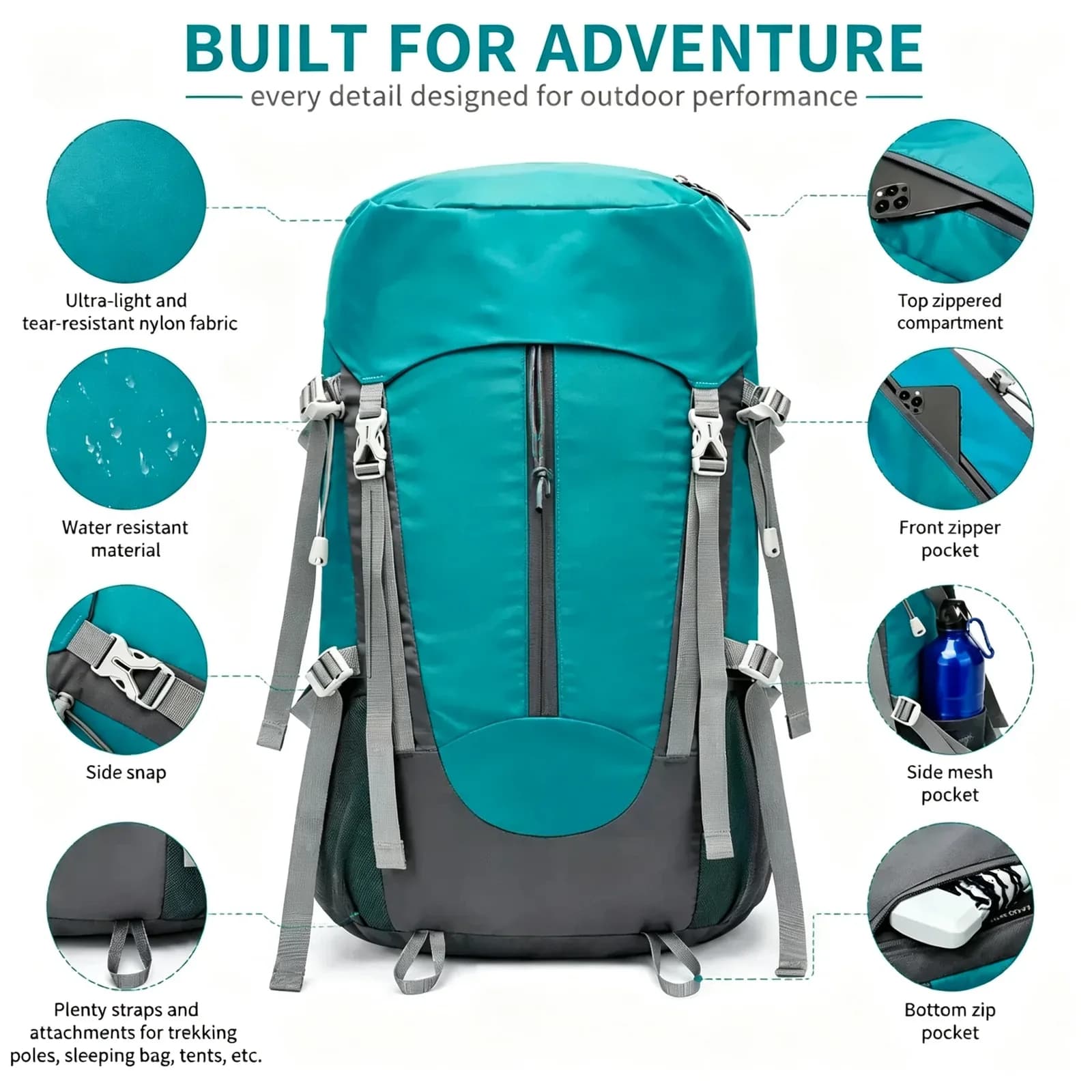
55 L Hiking Backpack | Lightweight Water-Resistant Travel Pack
Product reference: 55 L Hiking Backpack | Lightweight Water-Resistant Travel Pack

Worked catalog references

Each photo identifies the named catalog reference. These are separate products, not a bundled set or evidence of a completed customer project.

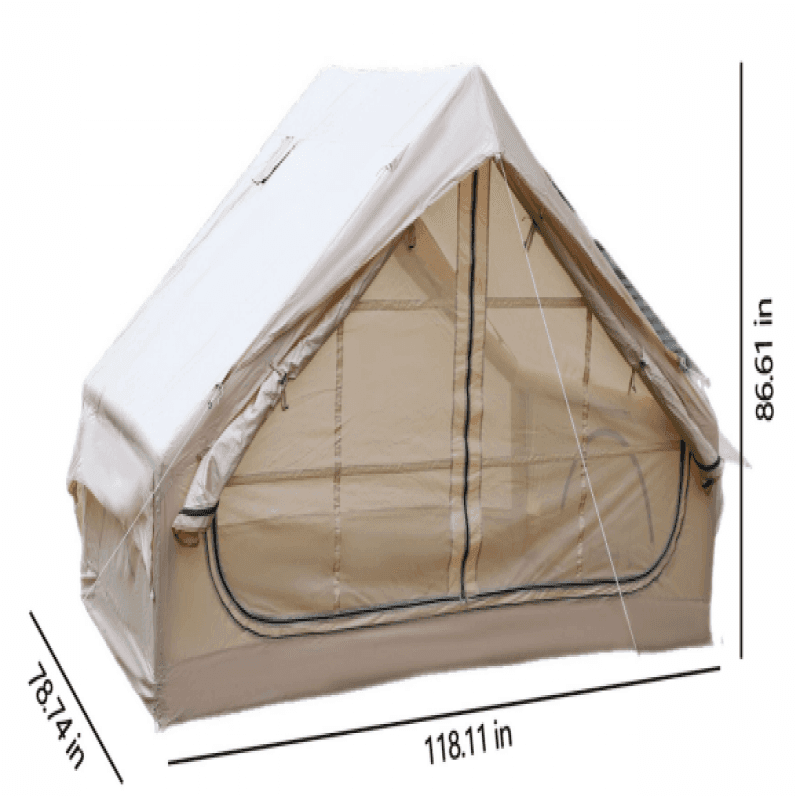
Inflatable Glamping Tent | 6.3 & 12 m² Models

The 6.3 m² model name is published alongside 300 × 220 × 220 cm dimensions; retain both labels rather than calculating a replacement floor area. The 12 m² model is listed at 300 × 400 × 200 cm. The record also names 12 cm air columns, a manual pump, fourteen stakes and ten guylines. Keep the inflation instructions and component list tied to the chosen model.

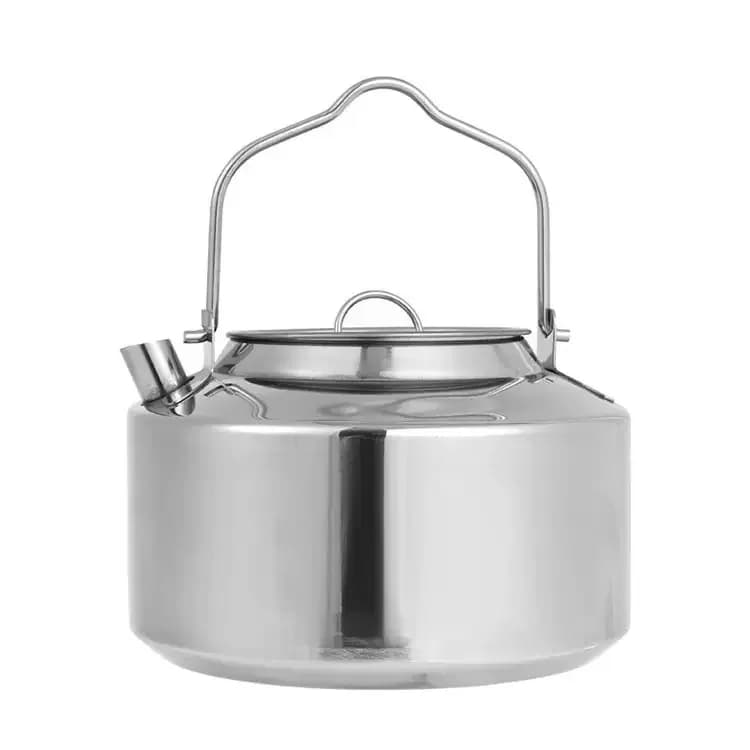
Stainless Steel Camping Kettle | 288 g Portable Outdoor Kettle

This stainless-steel kettle has listed dimensions of 10 × 15 × 17 cm and a 288 g weight. Those dimensions do not specify usable water capacity. Keep the volume field open until the selected kettle is measured or documented. For a cookware range, compare the handle, lid, spout and base with the intended packing and cooking arrangement instead of assuming every camp kettle fits every stove.

55 L Hiking Backpack | Lightweight Water-Resistant Travel Pack

The 55 L backpack record lists polyester for both the shell and lining. This positions it as the largest labelled capacity among the 20 L, 30 L and 55 L references compared here. Capacity does not state the pack’s body dimensions, torso range or approved load. Keep those as distinct selection fields when preparing a fitting sample and a retail product sheet.

Compare catalog references

Product referenceCatalog specifications
Inflatable Glamping Tent | 6.3 & 12 m² Models
  • Product format: Lightweight Inflatable Tents
  • Model: 6.3 m² model — 300 × 220 × 220 cm; 12 m² model — 300 × 400 × 200 cm
  • Outer fabric: 300D Oxford Cloth (PU3000 Waterproof Rated)
  • Frame: 12 cm (4.72 in) Air Columns
  • Included items: 14 tent stakes, 10 guy lines with aluminum clips, 12 cm air poles and a manual air pump
  • Unit weight: 11 kg (24.25 lbs)
  • Packed dimensions: 29.5 × 13.4 × 10.6 in (75 × 34 × 27 cm)
  • Colour: Khaki
Stainless Steel Camping Kettle | 288 g Portable Outdoor Kettle
  • Material: stainless steel
  • Size: 10 × 15 × 17 cm
  • Unit weight: 288 g
  • Product format: portable outdoor kettle
55 L Hiking Backpack | Lightweight Water-Resistant Travel Pack
  • Capacity: 55 L
  • Material: polyester
  • Lining: polyester
  • properties: breathable, water-resistant, lightweight and wear-resistant
  • Intended use: hiking, travel and mountaineering

Keep the comparison traceable

Keep one specification sheet for each shortlisted version. Put the product URL, size, colour and dated photographs at the top, then distinguish published facts from requested changes. If the brief combines a tent, a cooking item and clothing, give each its own line and quantity. Their dimensions, materials and accessories describe different things and should not be merged into a single specification. For example, a tent’s packed length is a storage measurement, a kettle’s external dimensions do not state its usable capacity, and backpack litres do not describe torso fit. When a field is absent, leave it marked for confirmation instead of borrowing a value from a visually similar item. Before comparing quotations, check that they refer to the same version and supply scope. Record any substitutions explicitly, including the affected component, colour or packaging. This makes later sample review more useful: the reviewer can compare an identified item against a written requirement instead of trying to reconstruct a decision from a photo and a price.

From product selection to a sample brief

  1. 1Choose the exact referenceSave the product link and the comparison fields relevant to your range.
  2. 2Record the configurationList the size or version, colour and items you want supplied together.
  3. 3Evaluate the sampleCheck the selected configuration against your written checklist and retain photos of the result.
  4. 4Agree the bulk orderRecord the approved version, quantity, packing and delivery terms in the final quotation.

Questions for your buying brief

How should I use these examples?

Keep discovery, specification review, sample evaluation and order agreement as separate decisions. These references show why an early inquiry should identify exactly what is missing: tent version, kettle capacity or pack fit. A catalog photo starts the discussion; the selected configuration and written requirements give the quotation and sample review their scope.

What distinguishes this reference? — Inflatable Glamping Tent | 6.3 & 12 m² Models

The 6.3 m² model name is published alongside 300 × 220 × 220 cm dimensions; retain both labels rather than calculating a replacement floor area. The 12 m² model is listed at 300 × 400 × 200 cm. The record also names 12 cm air columns, a manual pump, fourteen stakes and ten guylines. Keep the inflation instructions and component list tied to the chosen model.

What distinguishes this reference? — Stainless Steel Camping Kettle | 288 g Portable Outdoor Kettle

This stainless-steel kettle has listed dimensions of 10 × 15 × 17 cm and a 288 g weight. Those dimensions do not specify usable water capacity. Keep the volume field open until the selected kettle is measured or documented. For a cookware range, compare the handle, lid, spout and base with the intended packing and cooking arrangement instead of assuming every camp kettle fits every stove.

What distinguishes this reference? — 55 L Hiking Backpack | Lightweight Water-Resistant Travel Pack

The 55 L backpack record lists polyester for both the shell and lining. This positions it as the largest labelled capacity among the 20 L, 30 L and 55 L references compared here. Capacity does not state the pack’s body dimensions, torso range or approved load. Keep those as distinct selection fields when preparing a fitting sample and a retail product sheet.

What should I keep with the selected reference?

Keep one specification sheet for each shortlisted version. Put the product URL, size, colour and dated photographs at the top, then distinguish published facts from requested changes. If the brief combines a tent, a cooking item and clothing, give each its own line and quantity. Their dimensions, materials and accessories describe different things and should not be merged into a single specification. For example, a tent’s packed length is a storage measurement, a kettle’s external dimensions do not state its usable capacity, and backpack litres do not describe torso fit. When a field is absent, leave it marked for confirmation instead of borrowing a value from a visually similar item. Before comparing quotations, check that they refer to the same version and supply scope. Record any substitutions explicitly, including the affected component, colour or packaging. This makes later sample review more useful: the reviewer can compare an identified item against a written requirement instead of trying to reconstruct a decision from a photo and a price.

Call usWhatsApp