How should I use these examples?
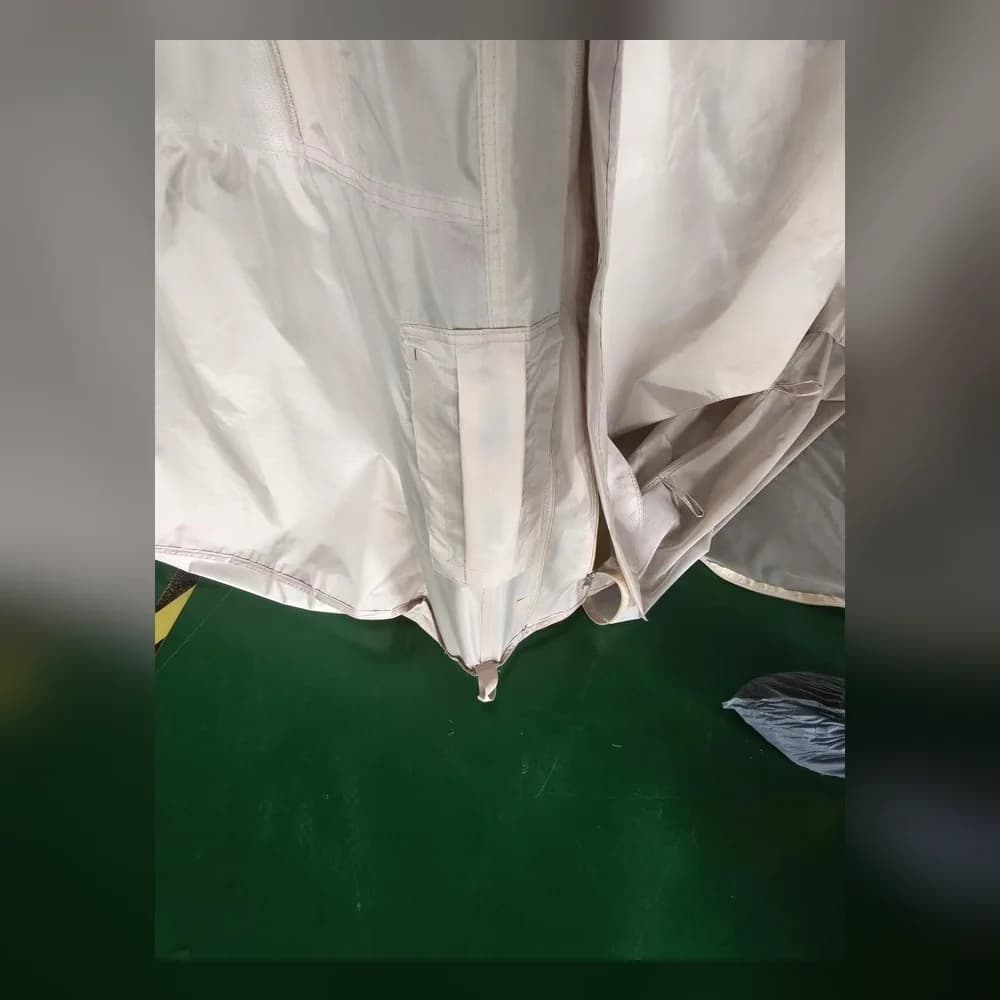
Turn each specification into a checkpoint with a named item, measurement method and acceptance decision. The tent, cookware and boot below illustrate why one generic checklist is insufficient. Visual checks can describe construction and supplied pieces; a performance claim needs suitable product-linked evidence. Agree who records results and who authorizes release before inspection.
What distinguishes this reference? — Automatic Pop-Up Camping Tent | Two Sizes
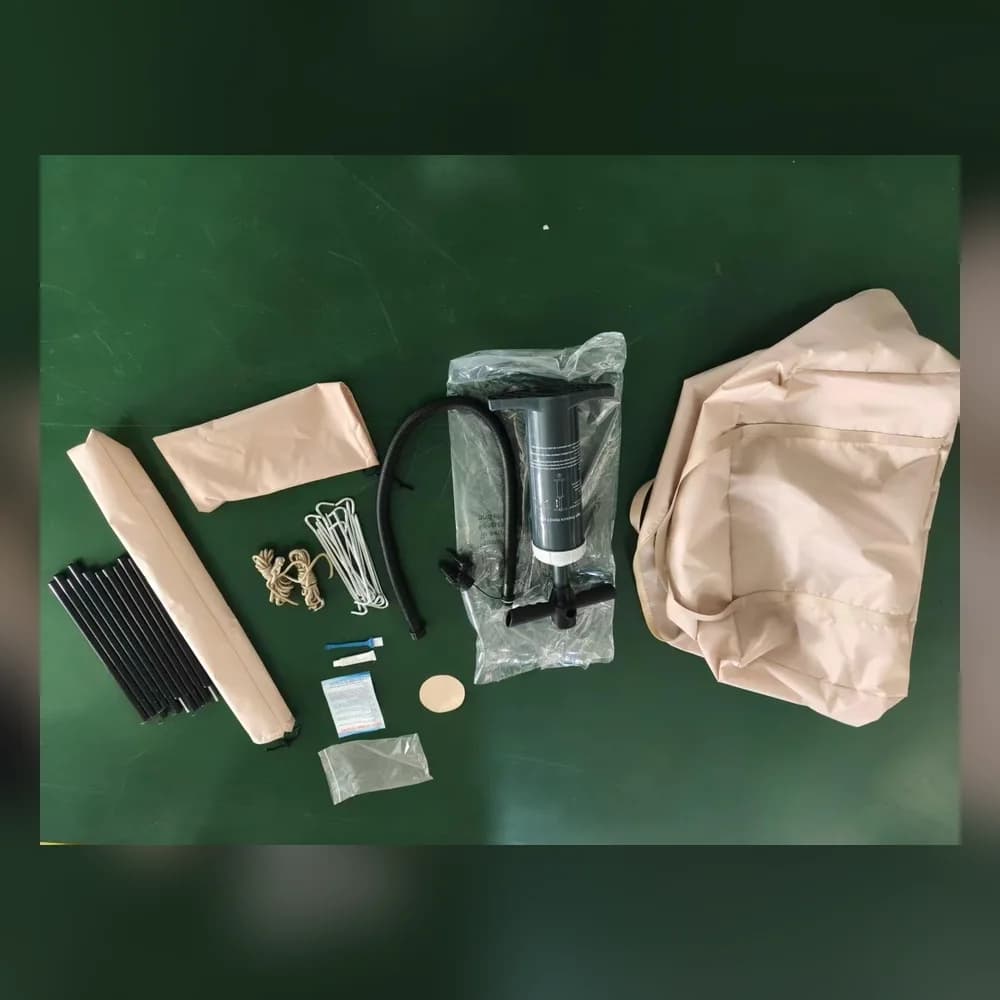
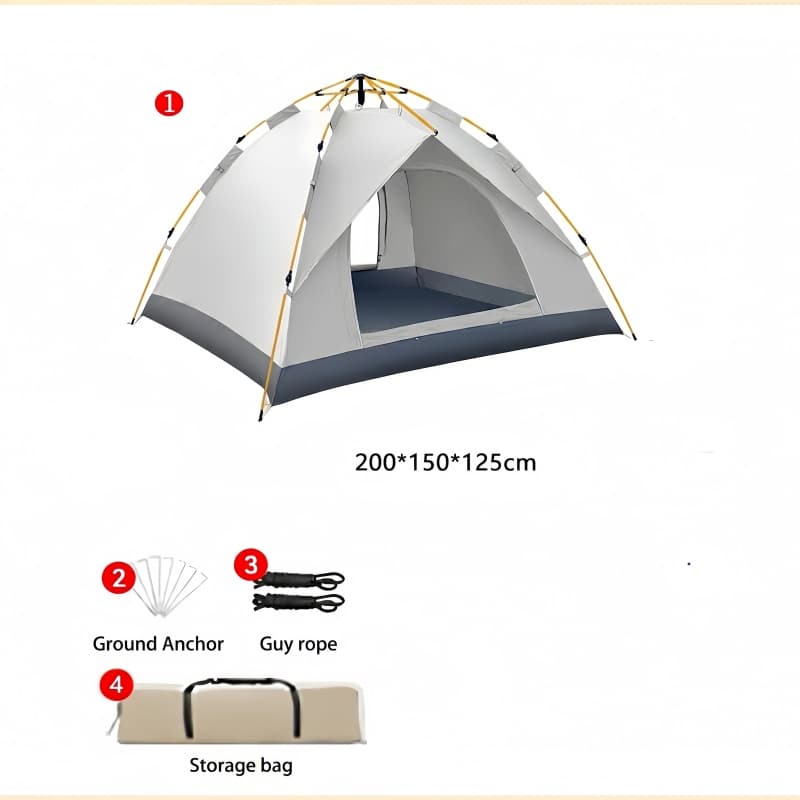
The 200 × 200 × 135 cm version pairs a 7.9 mm fiberglass frame with a 2.6 kg weight and 77 cm packed length. The 200 × 150 × 125 cm version pairs a 6.9 mm frame with 2.3 kg and 66 cm packed length. Compare the complete row for each version. The listed kit contains one tent, four anchors, two guy ropes and one storage bag.
What distinguishes this reference? — 8-Piece Camping Cookware Set | 600 g Nesting Outdoor Cooking Kit
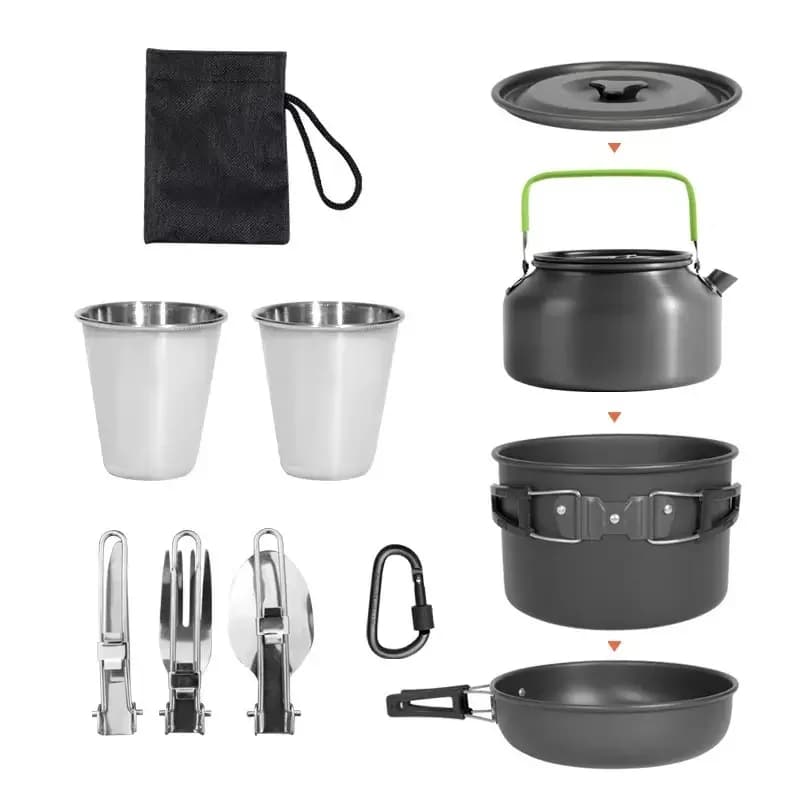
The DS-308 cookware reference lists aluminium-alloy cookware, ABS handles and a 600 g reference weight. Its kettle is specifically listed as 0.8 L, 14 cm in diameter and 8.5 cm high. Keep that volume attached to the kettle, not every vessel in the set. Use an itemised contents list to reconcile the eight-piece name with the pieces selected for your order.
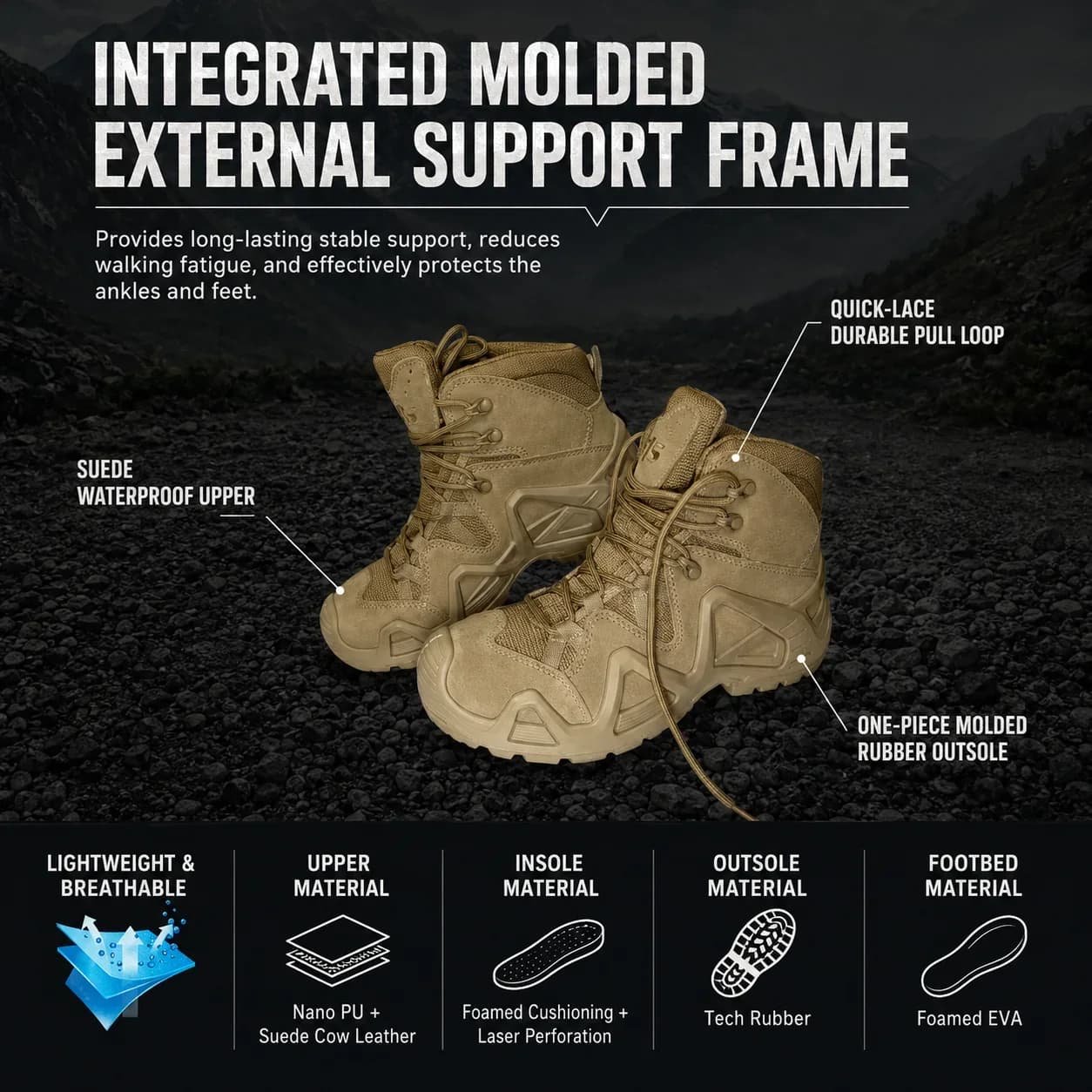
What distinguishes this reference? — Waterproof Tactical Hiking Boots | Suede Leather Trekking Shoes
The boots combine a suede cow-leather and fabric upper, a waterproof sock liner and a rubber-plus-PU outsole. These are separate parts of the footwear specification. Sand and khaki are the listed colour options. A fitting brief should identify the size scale and actual foot or last measurements; do not infer a protective-toe classification or occupational certification from the word tactical.
What should I keep with the selected reference?
Keep one specification sheet for each shortlisted version. Put the product URL, size, colour and dated photographs at the top, then distinguish published facts from requested changes. If the brief combines a tent, a cooking item and clothing, give each its own line and quantity. Their dimensions, materials and accessories describe different things and should not be merged into a single specification. For example, a tent’s packed length is a storage measurement, a kettle’s external dimensions do not state its usable capacity, and backpack litres do not describe torso fit. When a field is absent, leave it marked for confirmation instead of borrowing a value from a visually similar item. Before comparing quotations, check that they refer to the same version and supply scope. Record any substitutions explicitly, including the affected component, colour or packaging. This makes later sample review more useful: the reviewer can compare an identified item against a written requirement instead of trying to reconstruct a decision from a photo and a price.