Wholesale & OEM
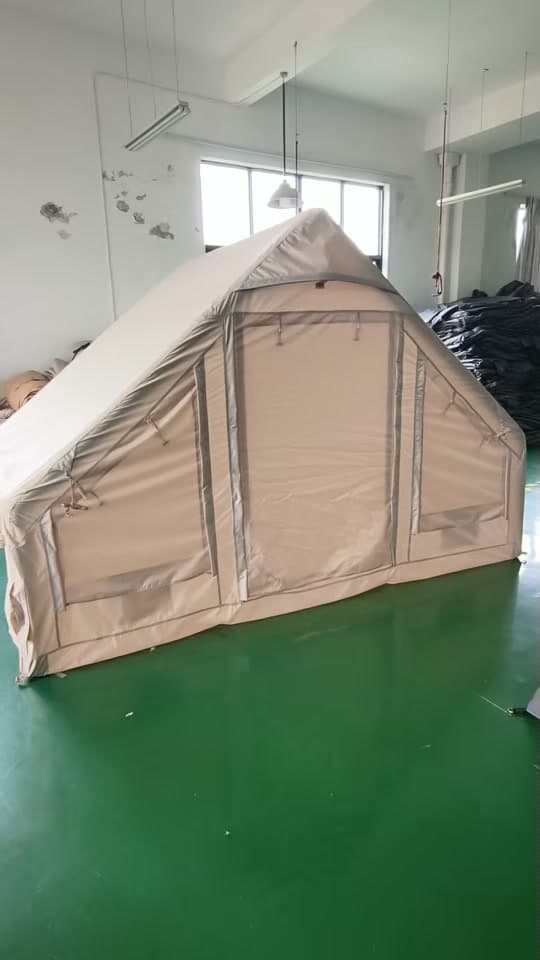
Custom Tent Sample Completed: Design and Logo Review
After a custom tent sample is completed, review it against the agreed design, artwork and component list before deciding the next project step.
View Video
Watch Seawing outdoor gear videos covering products, tent production, construction details, wholesale sourcing and OEM/ODM enquiries.
Watch Seawing outdoor gear videos covering products, tent production, construction details, wholesale sourcing and OEM/ODM enquiries.
After a custom tent sample is completed, review it against the agreed design, artwork and component list before deciding the next project step.
View Video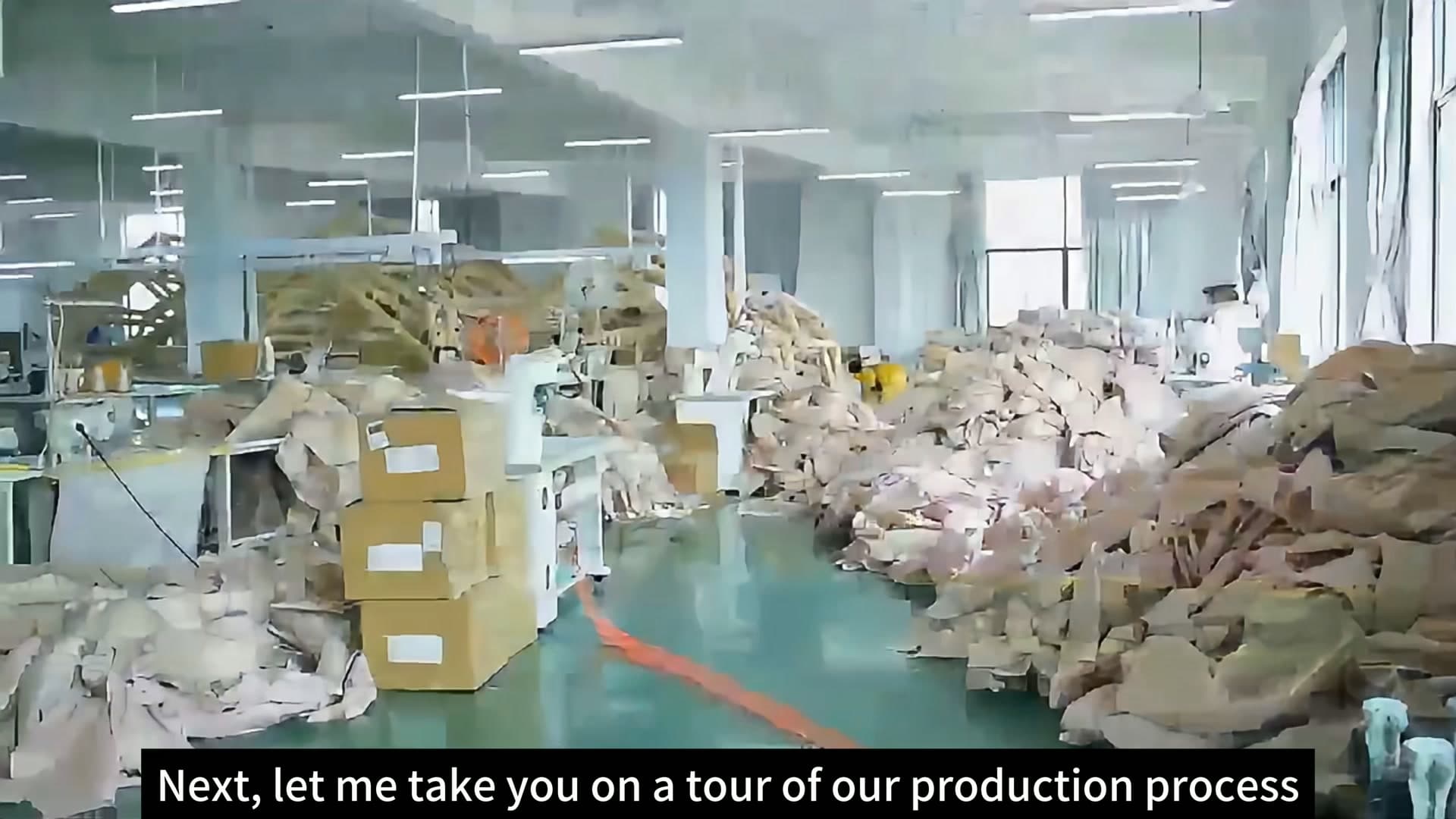
A tent manufacturing brief connects material selection, panel preparation, joining, structure assembly and product review.
View Video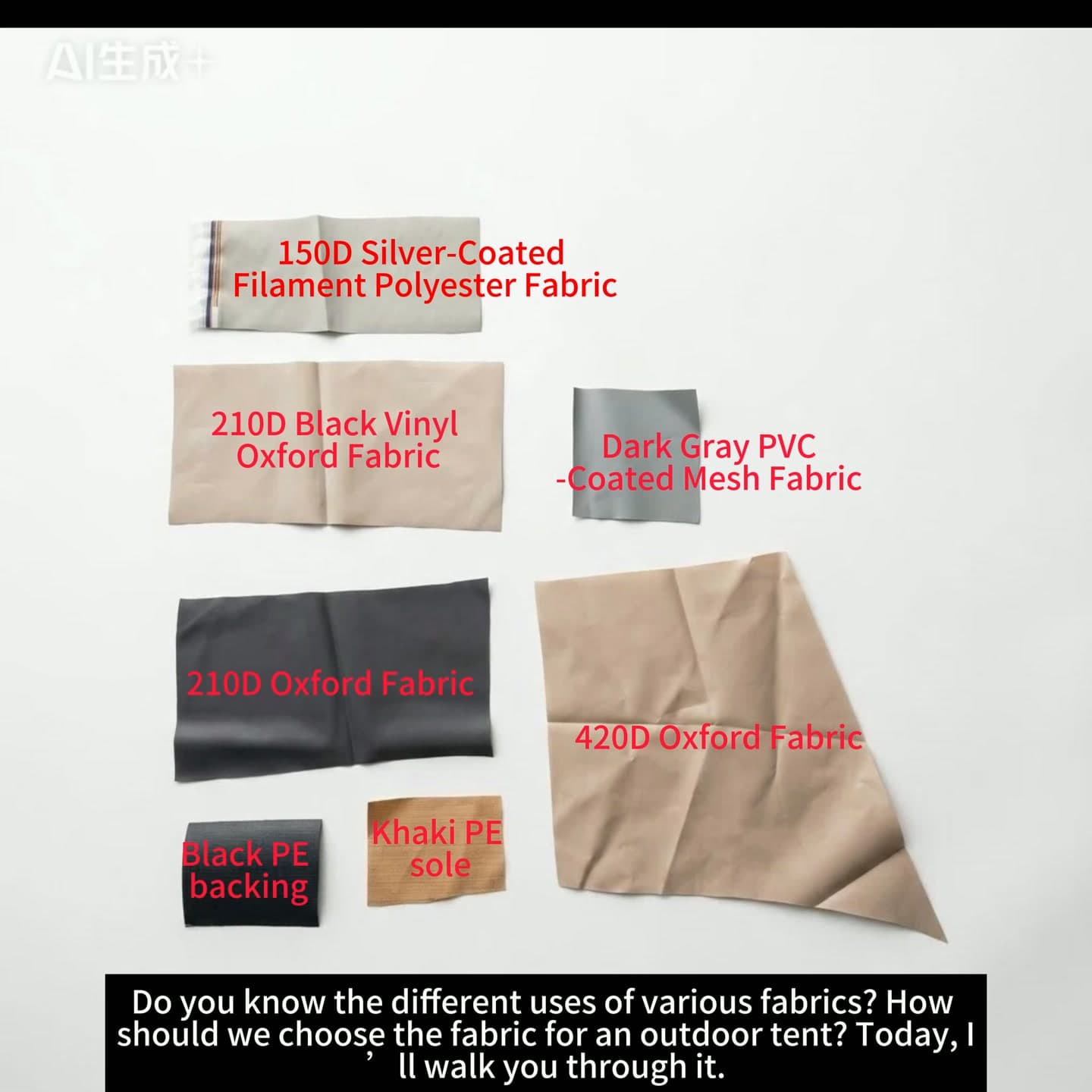
Compare tent fabrics by their role in the tent and the complete material description for that part.
View Video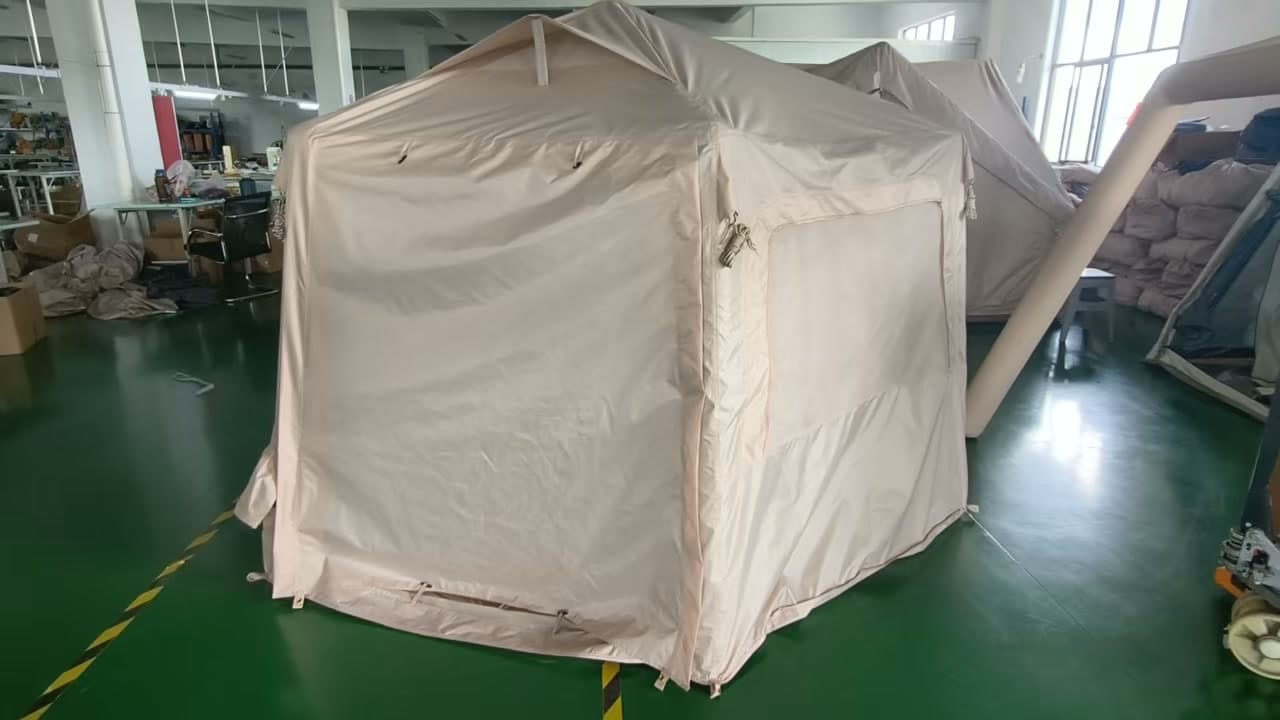
An indoor tent presentation is useful for reviewing the enclosure's shape, panel arrangement and opening positions.
View Video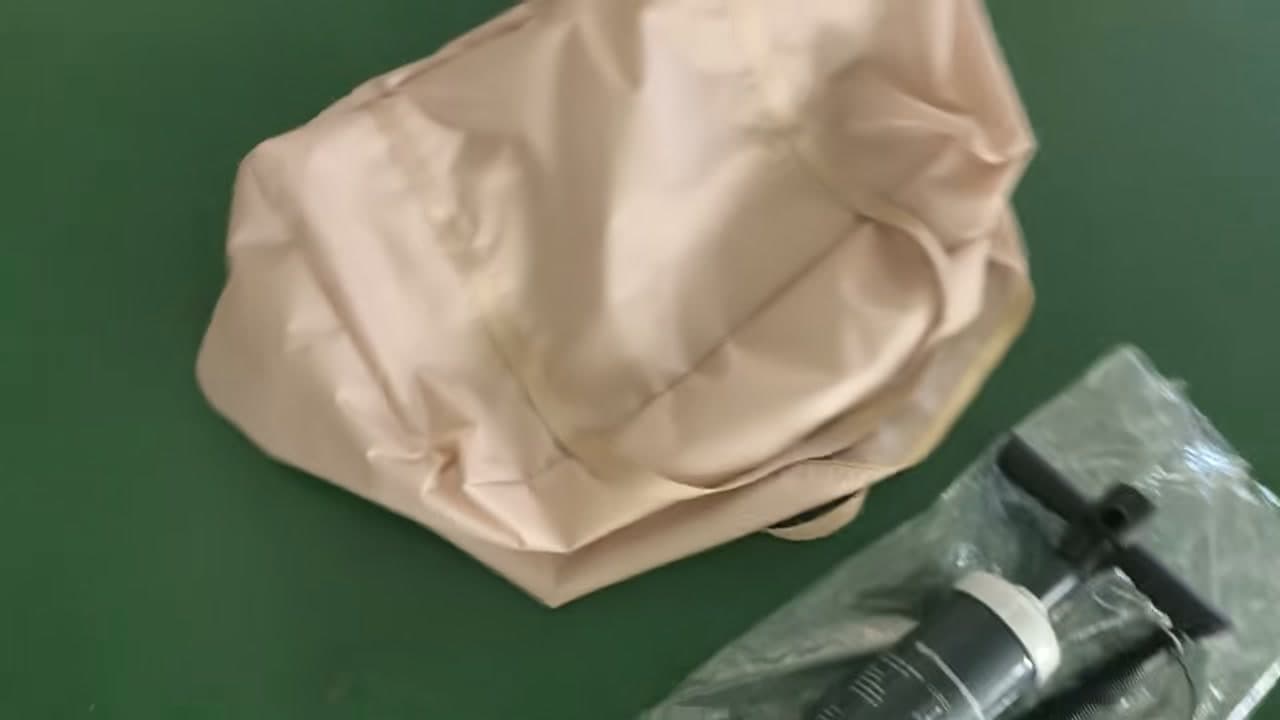
Record a tent textile panel's identity, intended position and drawing reference when preparing a material review.
View Video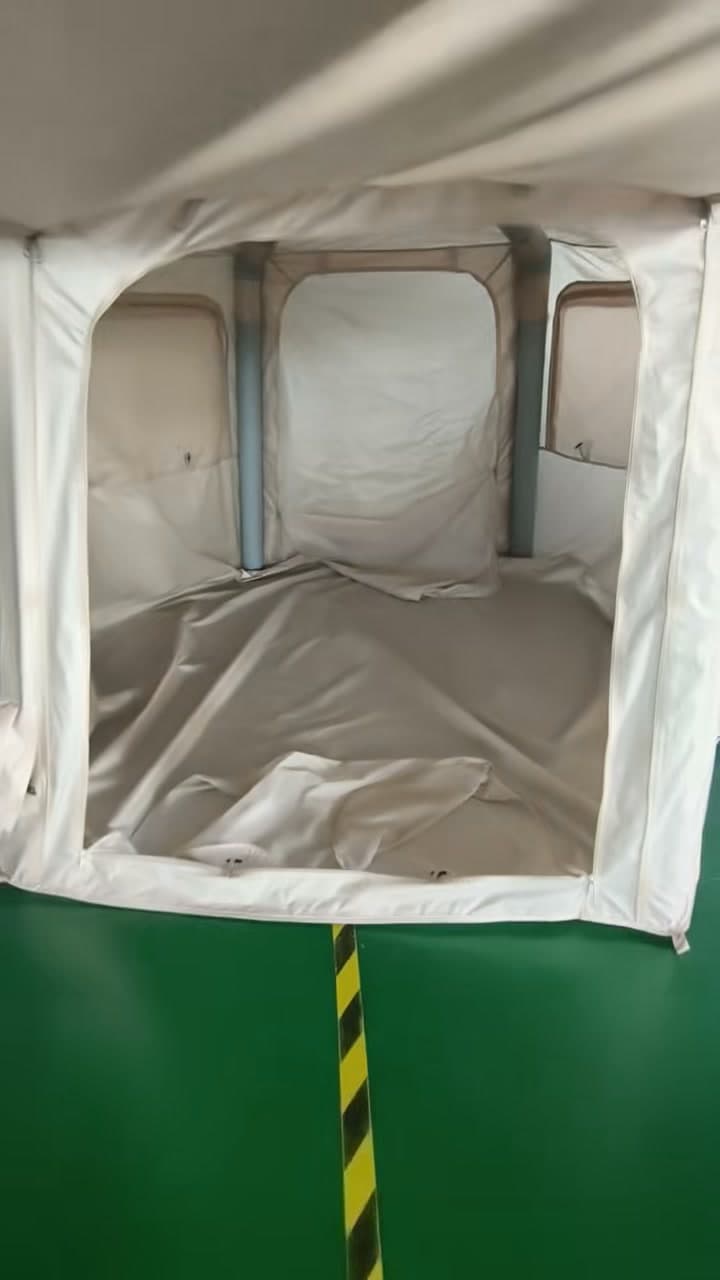
Review a tent interior through the location of panels, openings and the space planned for bedding and personal items.
View Video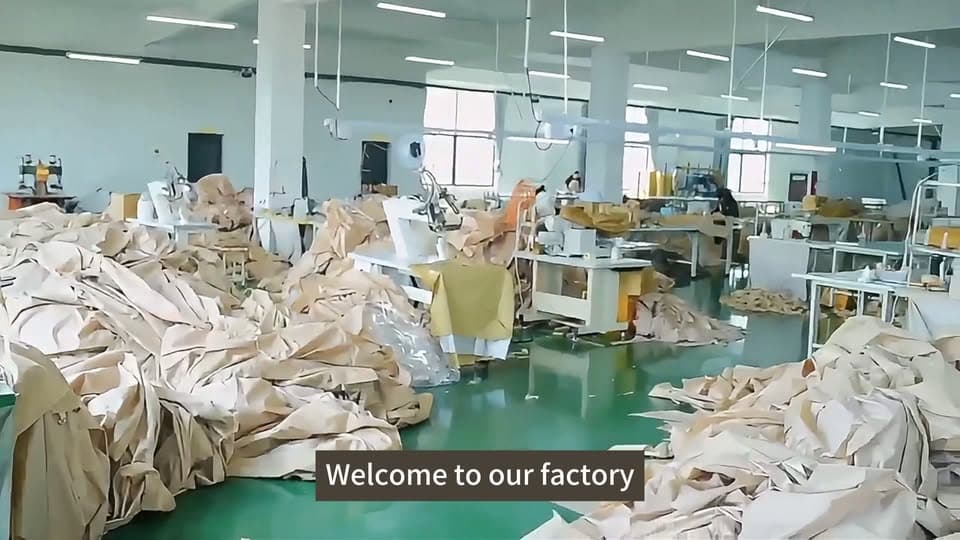
Workshop footage can help structure a tent supplier discussion around the handoffs from design to sample review and packing.
View Video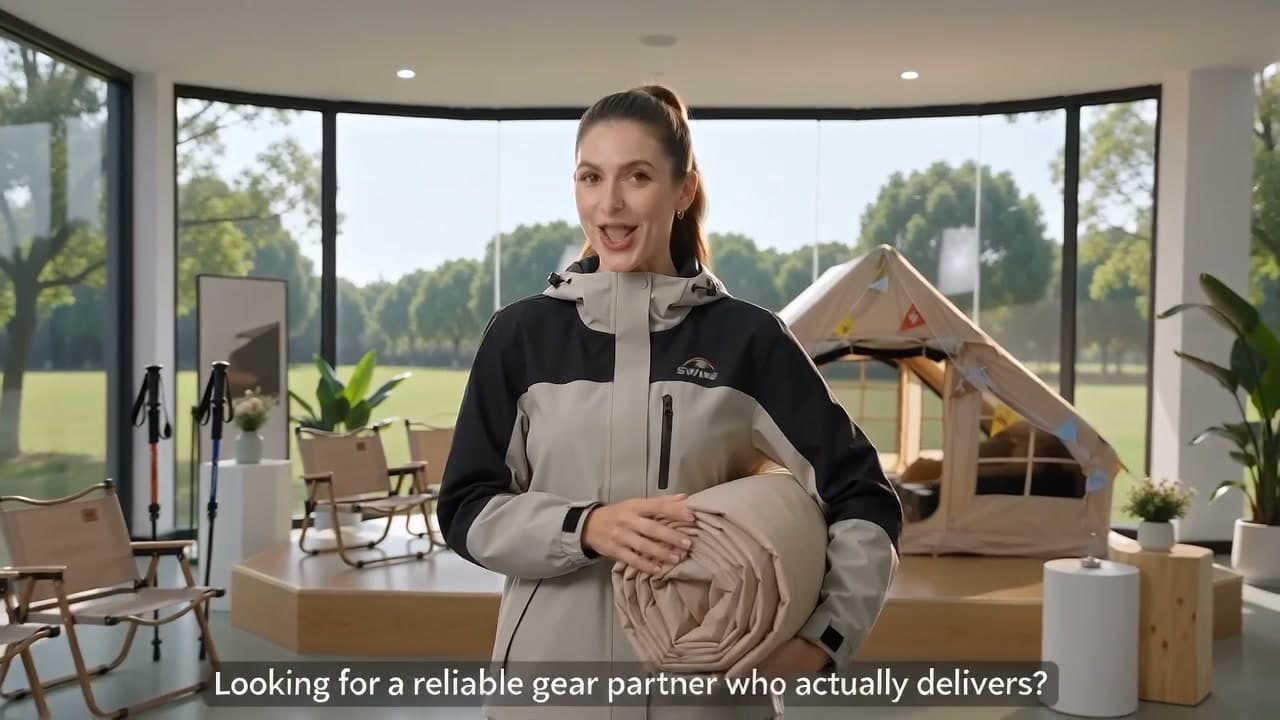
Build an outdoor gear sample order around a named product, its selected configuration and a written review checklist.
View Video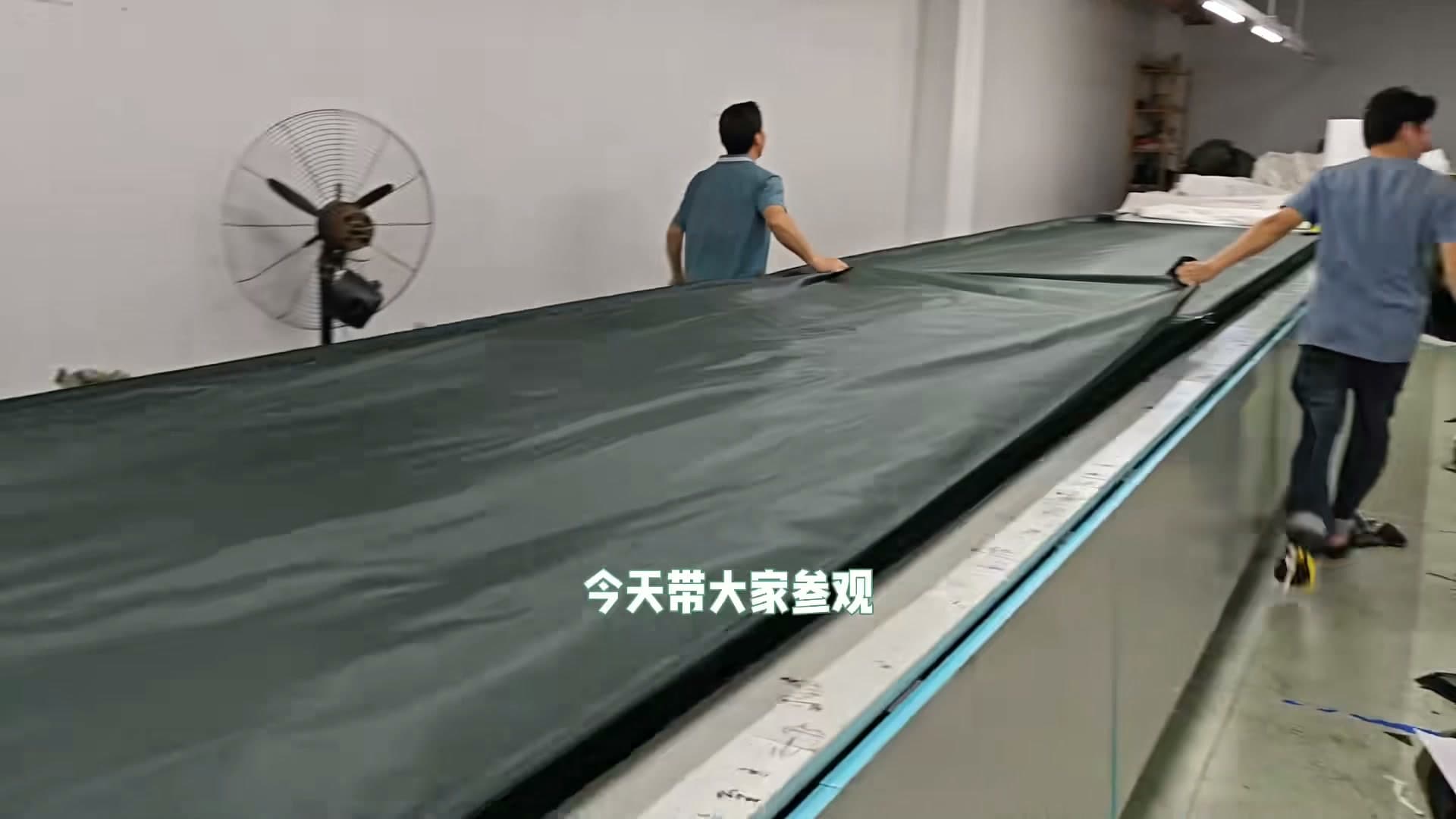
Seawing's workshop Reel shows people handling a broad fabric panel on a long work table.
View Video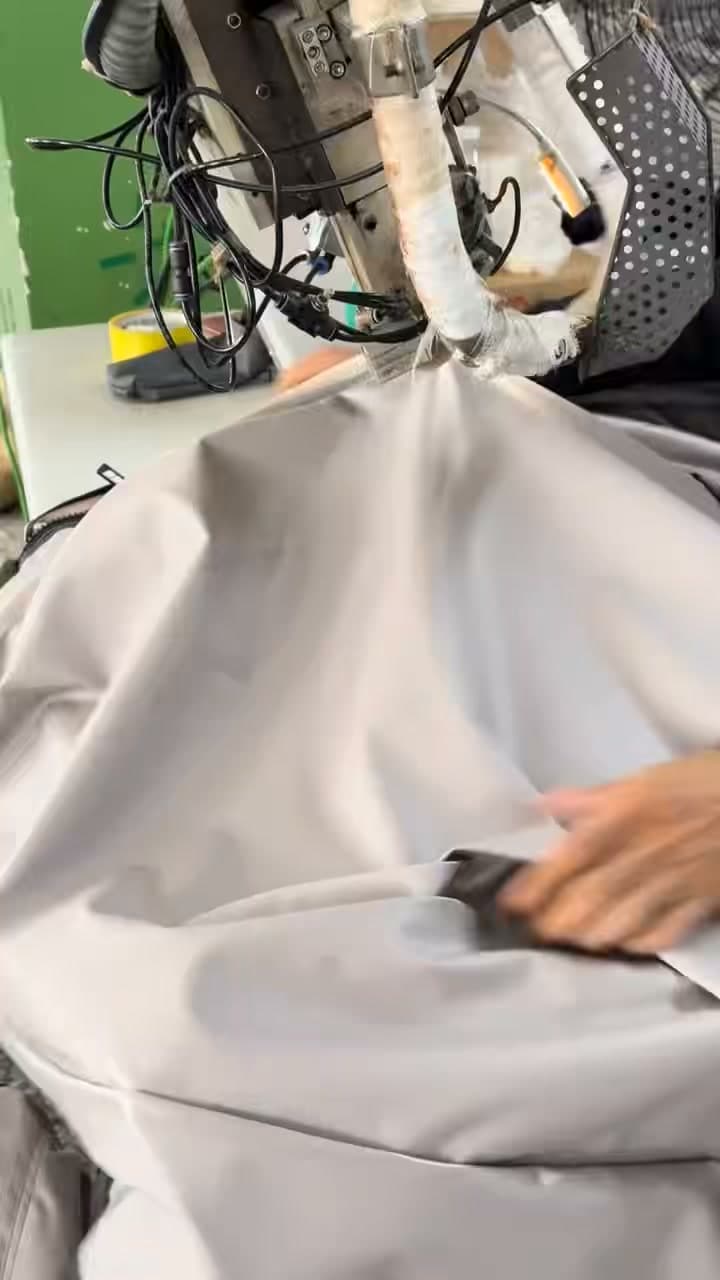
Review tent seam treatment by connecting the stitched joint, the fabric surface and the specified treatment to one sample.
View Video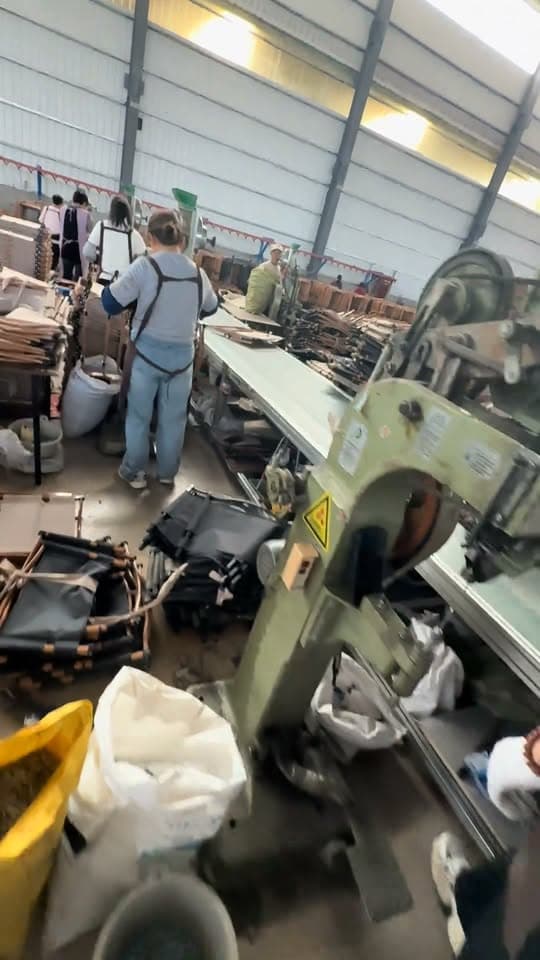
A camping chair sourcing brief should describe the seating format, folding action, storage space and packing requirements.
View Video
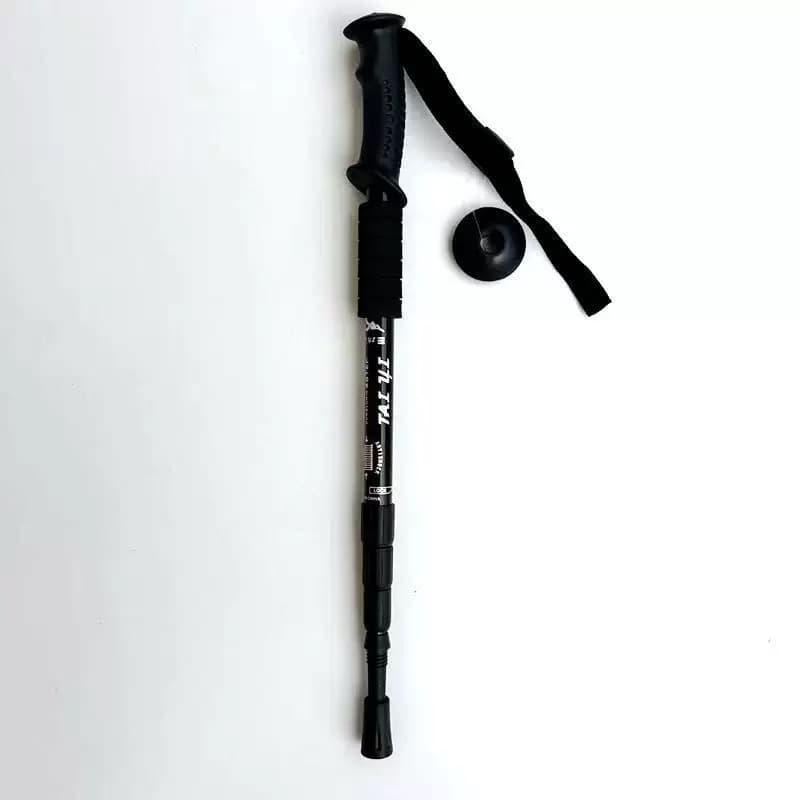
Compare a telescopic trekking pole through its adjustment arrangement, grip, tip and packed form.
View Video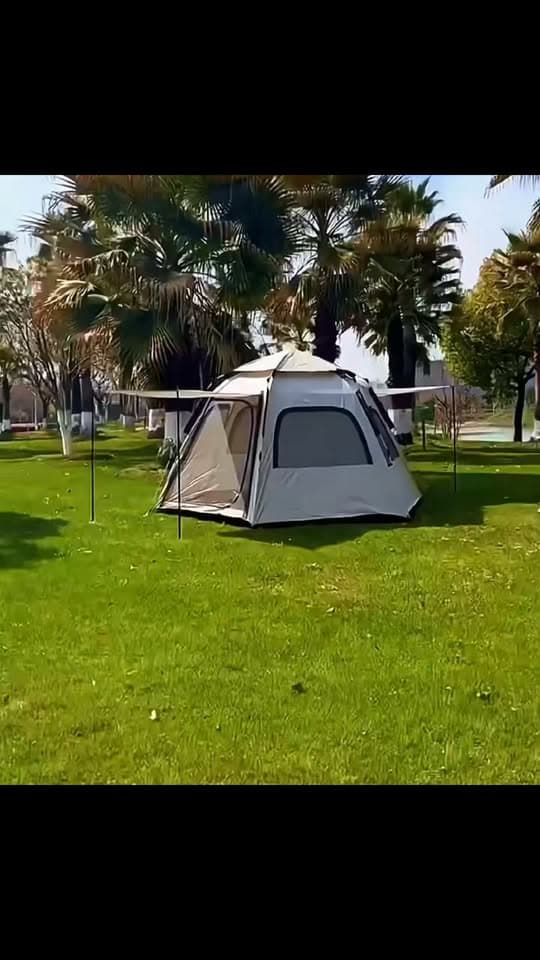
Compare a hexagonal tent with a canopy by separating the sleeping enclosure from the extended outdoor area.
View Video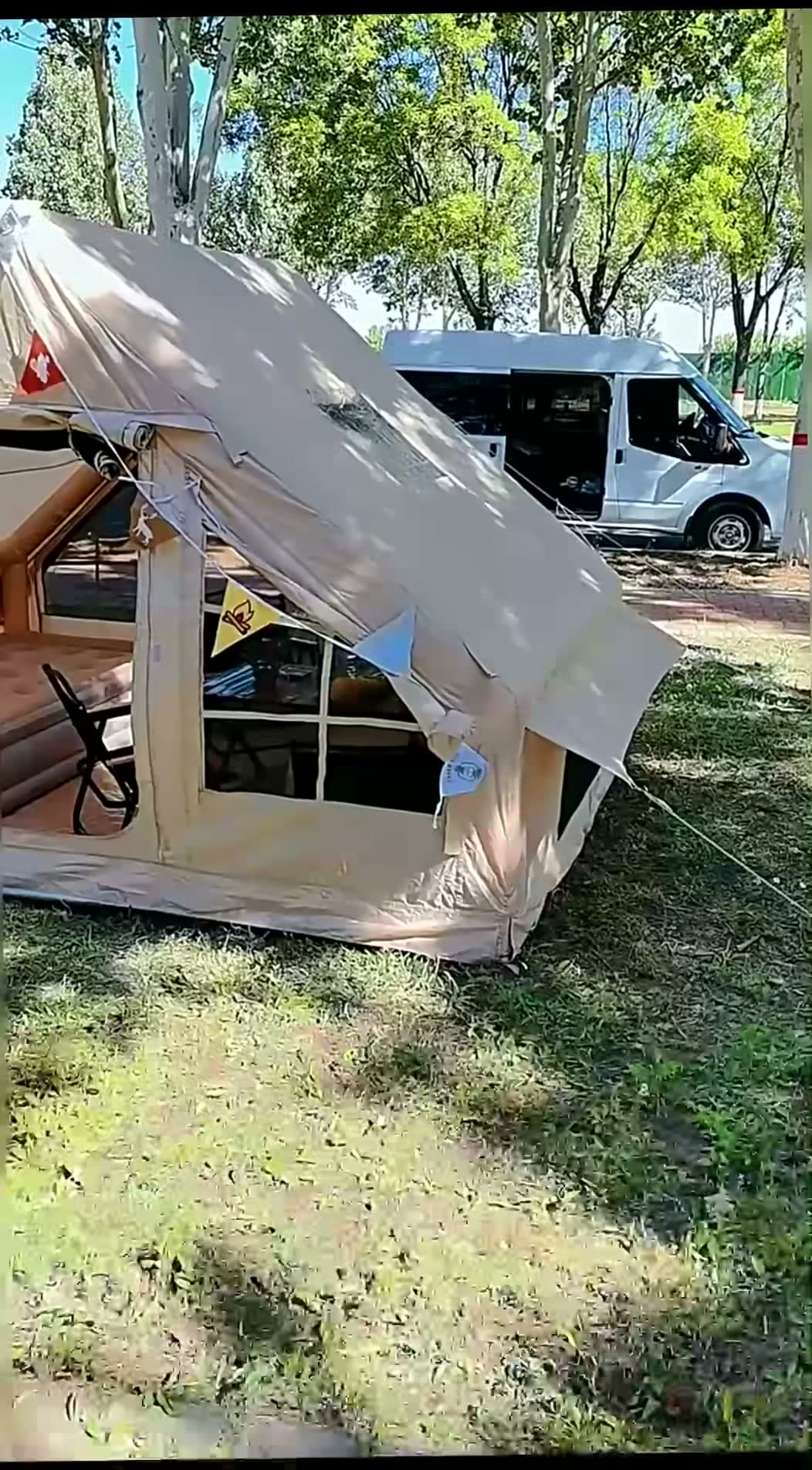
Compare an inflatable family tent through its air-beam arrangement, enclosure layout, pump requirements and packed dimensions.
View Video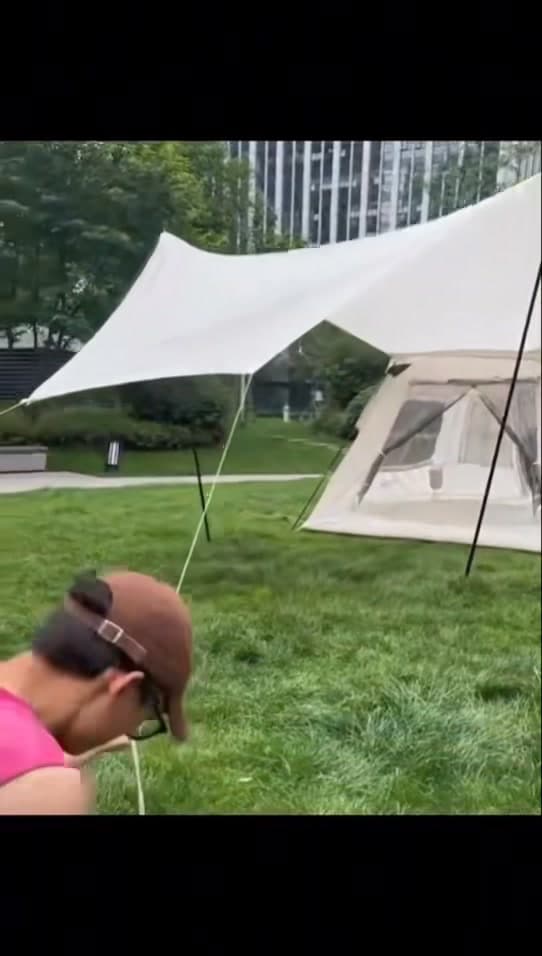
Plan a canopy tent demonstration around the enclosure, the awning supports and the route into the tent.
View Video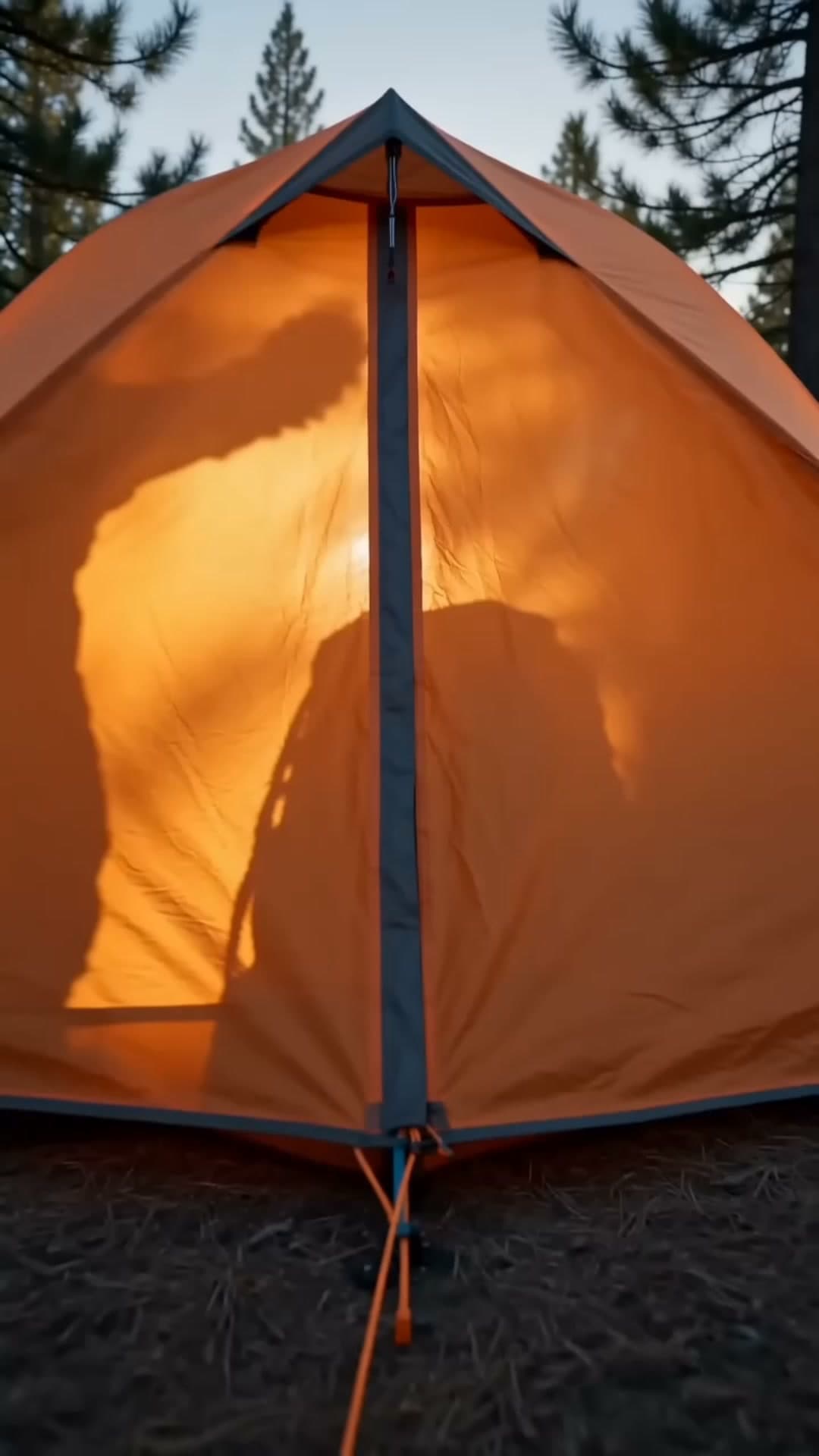
Plan tent storage by separating sleeping space, access routes and the items needed during the night.
View Video
Prepare a tent pitch by checking the kit, reading the selected model's instructions and reviewing the site.
View Video
A campsite brief should describe the permitted pitch location, ground surface, available space, access and local camping rules.
View VideoBrowse real Seawing outdoor-product categories and open product pages for published specifications and images.
Build an enquiry around a product reference, target market, quantity, branding and packaging.
Explore Wholesale & OEMUse a video to locate a construction detail or product question, then open the matching written record where one is identified. The catalog examples below are separate reference products; a video does not establish that they share the same factory, specification or test result. Save the clip URL and relevant timestamp with your question.
Each photo identifies the named catalog reference. These are separate products, not a bundled set or evidence of a completed customer project.
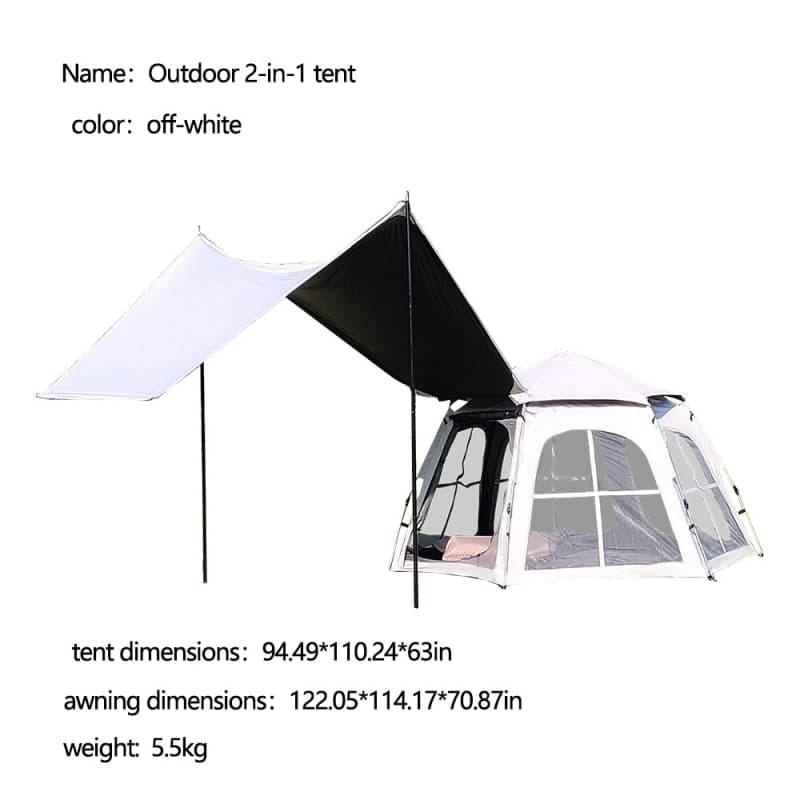
The tent and awning have separate dimensions: the tent is listed at 280 × 240 × 160 cm and the awning at 310 × 290 × 180 cm. Keep these as two outlines in a display or campsite drawing. The tent frame is 8.5 mm fiberglass, while the awning poles are 17 mm steel. Do not merge the two structures into a single pole-material description.
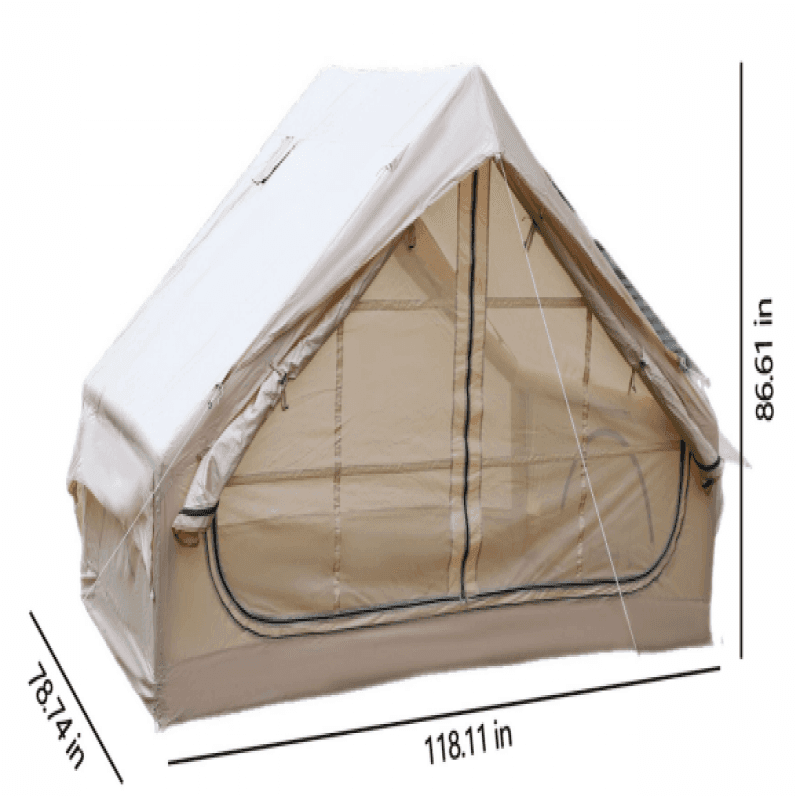
The 6.3 m² model name is published alongside 300 × 220 × 220 cm dimensions; retain both labels rather than calculating a replacement floor area. The 12 m² model is listed at 300 × 400 × 200 cm. The record also names 12 cm air columns, a manual pump, fourteen stakes and ten guylines. Keep the inflation instructions and component list tied to the chosen model.
This reference is an adjustable trekking pole with an anti-shock feature and multiple colour presentations. For an assortment decision, distinguish the adjustment mechanism, grip, strap and tip as separate components. The present record does not give a numeric adjustment range or a pole weight, so neither should become a size filter or a printed specification until measured for the selected version.
| Product reference | Catalog specifications |
|---|---|
| 2-in-1 Hexagonal Camping Tent with Awning | 280 × 240 cm |
|
| Inflatable Glamping Tent | 6.3 & 12 m² Models |
|
| Adjustable Anti-Shock Trekking Poles | Multiple Colors |
|
Keep one specification sheet for each shortlisted version. Put the product URL, size, colour and dated photographs at the top, then distinguish published facts from requested changes. If the brief combines a tent, a cooking item and clothing, give each its own line and quantity. Their dimensions, materials and accessories describe different things and should not be merged into a single specification. For example, a tent’s packed length is a storage measurement, a kettle’s external dimensions do not state its usable capacity, and backpack litres do not describe torso fit. When a field is absent, leave it marked for confirmation instead of borrowing a value from a visually similar item. Before comparing quotations, check that they refer to the same version and supply scope. Record any substitutions explicitly, including the affected component, colour or packaging. This makes later sample review more useful: the reviewer can compare an identified item against a written requirement instead of trying to reconstruct a decision from a photo and a price.
Use a video to locate a construction detail or product question, then open the matching written record where one is identified. The catalog examples below are separate reference products; a video does not establish that they share the same factory, specification or test result. Save the clip URL and relevant timestamp with your question.
The tent and awning have separate dimensions: the tent is listed at 280 × 240 × 160 cm and the awning at 310 × 290 × 180 cm. Keep these as two outlines in a display or campsite drawing. The tent frame is 8.5 mm fiberglass, while the awning poles are 17 mm steel. Do not merge the two structures into a single pole-material description.
The 6.3 m² model name is published alongside 300 × 220 × 220 cm dimensions; retain both labels rather than calculating a replacement floor area. The 12 m² model is listed at 300 × 400 × 200 cm. The record also names 12 cm air columns, a manual pump, fourteen stakes and ten guylines. Keep the inflation instructions and component list tied to the chosen model.
This reference is an adjustable trekking pole with an anti-shock feature and multiple colour presentations. For an assortment decision, distinguish the adjustment mechanism, grip, strap and tip as separate components. The present record does not give a numeric adjustment range or a pole weight, so neither should become a size filter or a printed specification until measured for the selected version.
Keep one specification sheet for each shortlisted version. Put the product URL, size, colour and dated photographs at the top, then distinguish published facts from requested changes. If the brief combines a tent, a cooking item and clothing, give each its own line and quantity. Their dimensions, materials and accessories describe different things and should not be merged into a single specification. For example, a tent’s packed length is a storage measurement, a kettle’s external dimensions do not state its usable capacity, and backpack litres do not describe torso fit. When a field is absent, leave it marked for confirmation instead of borrowing a value from a visually similar item. Before comparing quotations, check that they refer to the same version and supply scope. Record any substitutions explicitly, including the affected component, colour or packaging. This makes later sample review more useful: the reviewer can compare an identified item against a written requirement instead of trying to reconstruct a decision from a photo and a price.