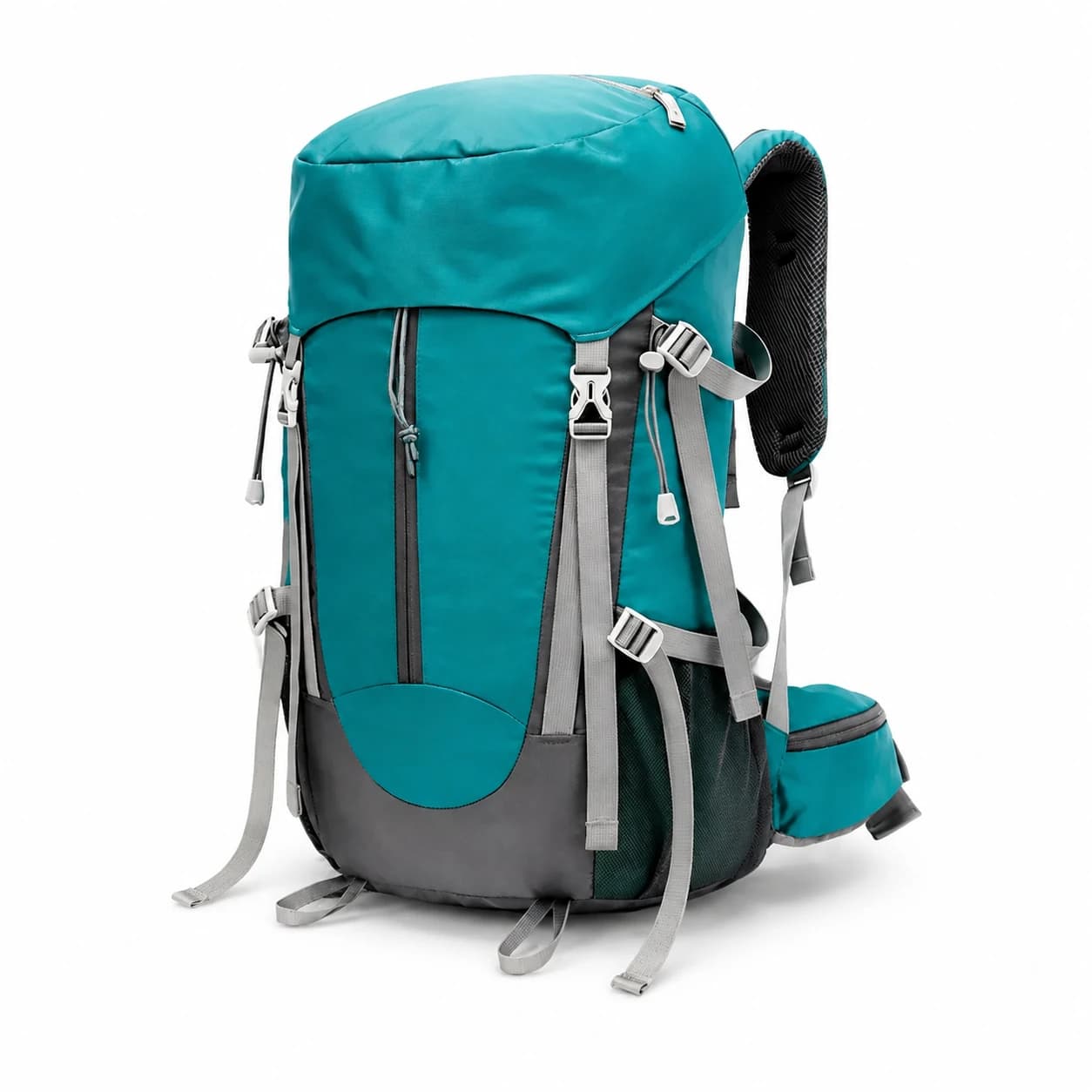
55 L Hiking Backpack | Lightweight Water-Resistant Travel Pack
Capacity: 55 L
Wholesale fromUSD 18.13 per unit50–500 units · EXW
Browse packs, apparel and footwear by capacity, material, construction and intended activity, then open the closest product reference.
Compare hiking backpacks and packable daypacks by stated capacity, unit weight and carrying format. Keep expanded dimensions and folded dimensions separate when planning a wholesale assortment.
Capacity: 55 L
Wholesale fromUSD 18.13 per unit50–500 units · EXW
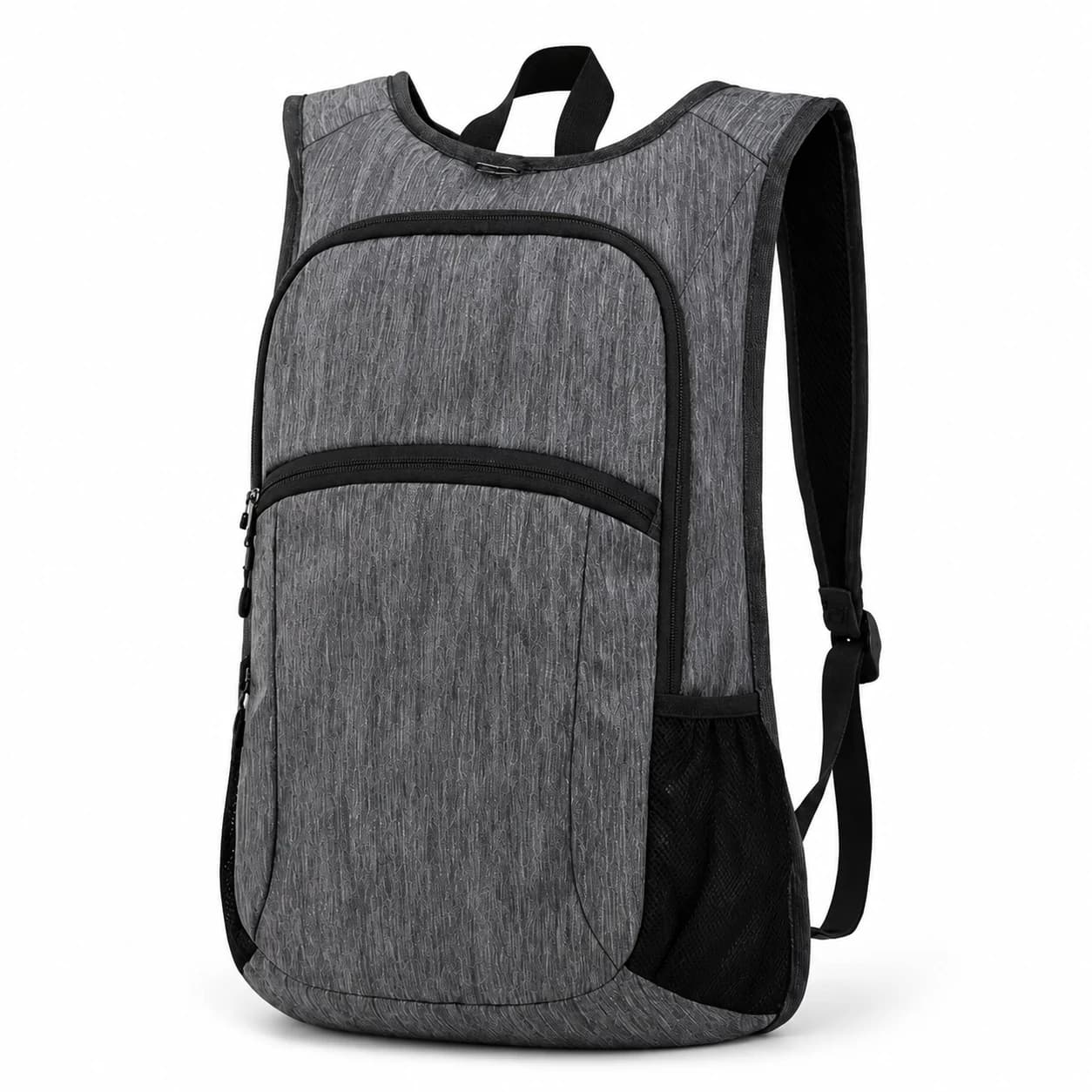
Capacity: 20 L
Wholesale fromUSD 9.78 per unit50–500 units · EXW
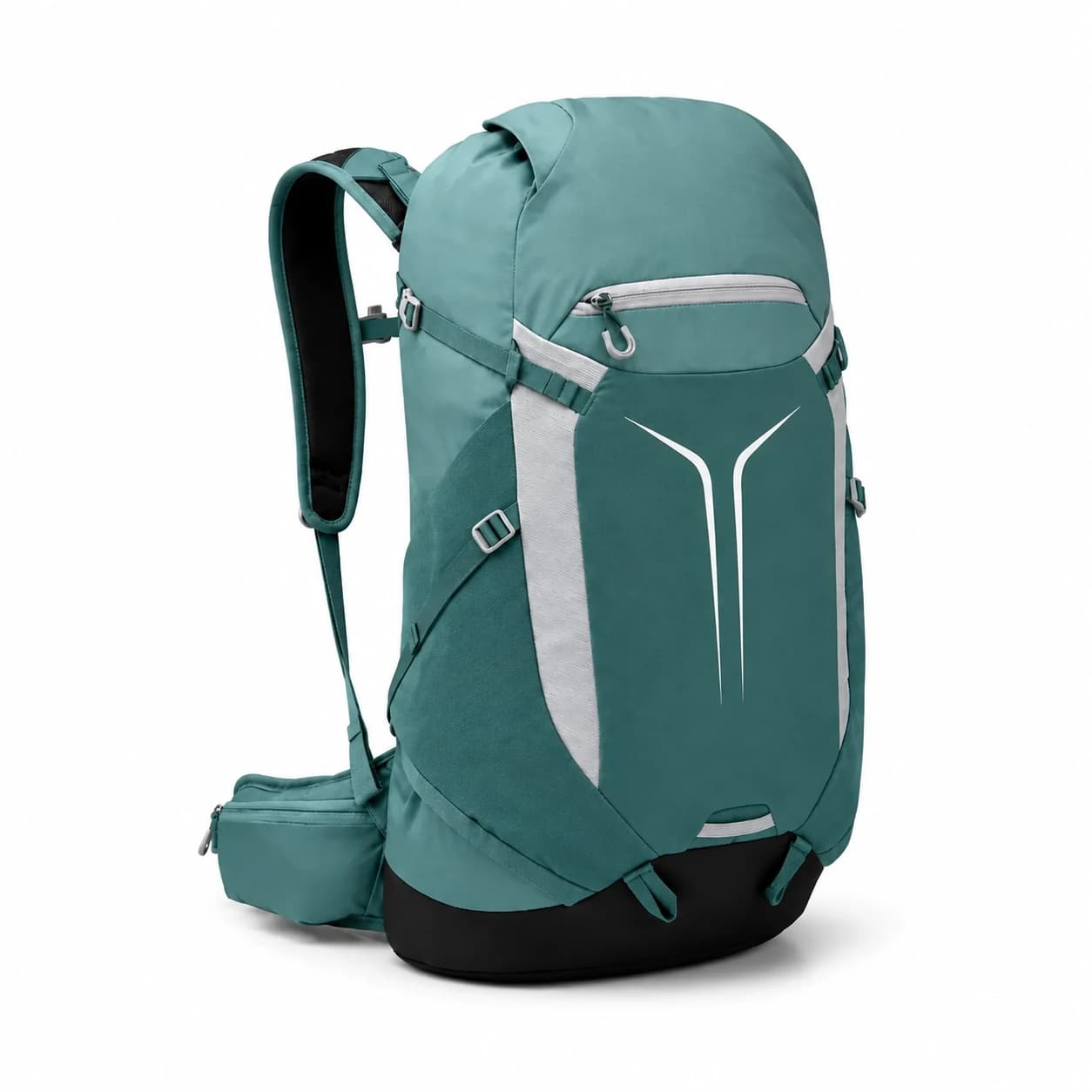
Capacity: 30 L
Wholesale fromUSD 30.16 per unit50–500 units · EXW
For outdoor rainwear sourcing, separate jacket, poncho and rain-suit requirements. Build the enquiry around fabric, garment construction and size range; specify any branding and packaging requests.
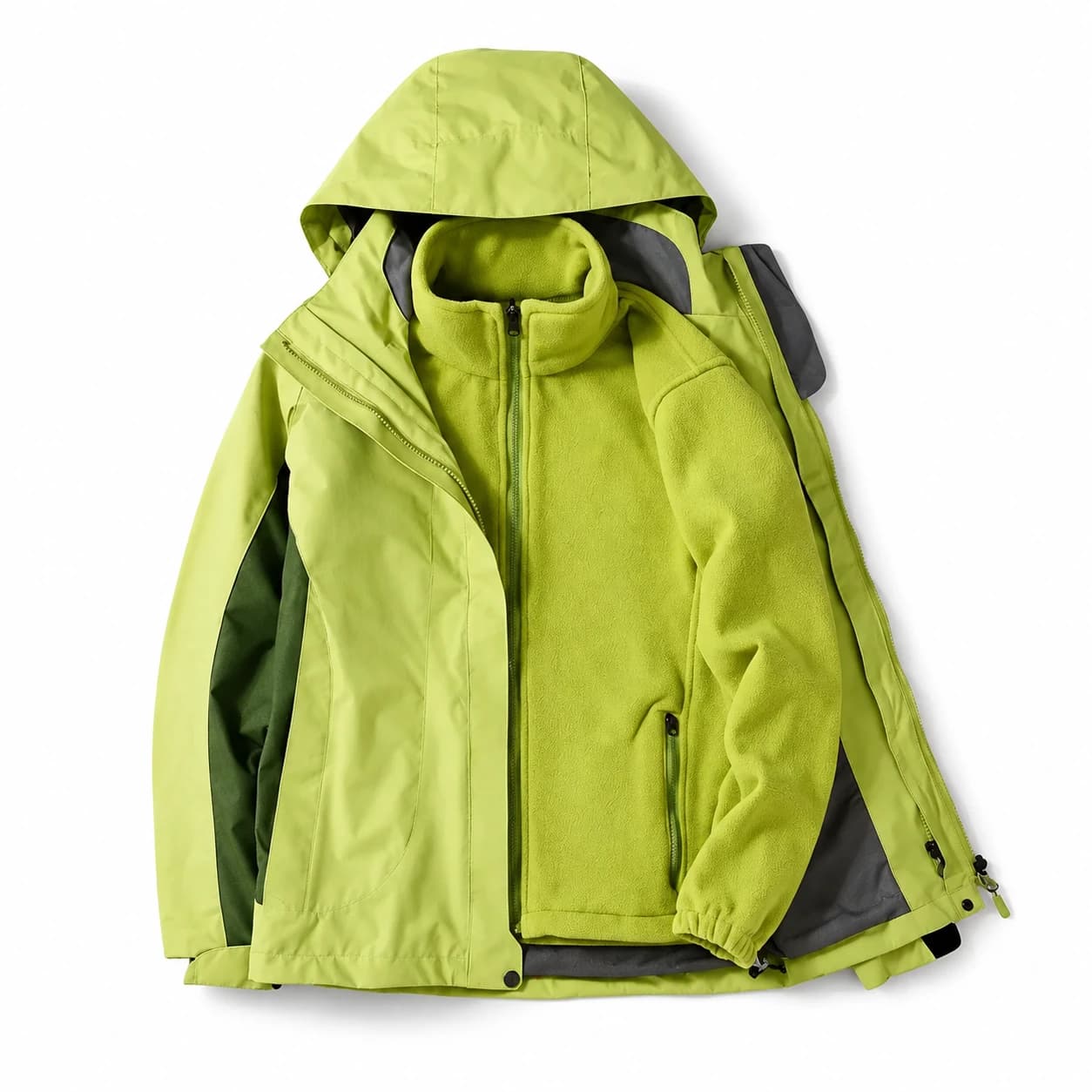
Product format: casual outdoor travel jacket
Wholesale fromUSD 28.52 per unit50–500 units · EXW
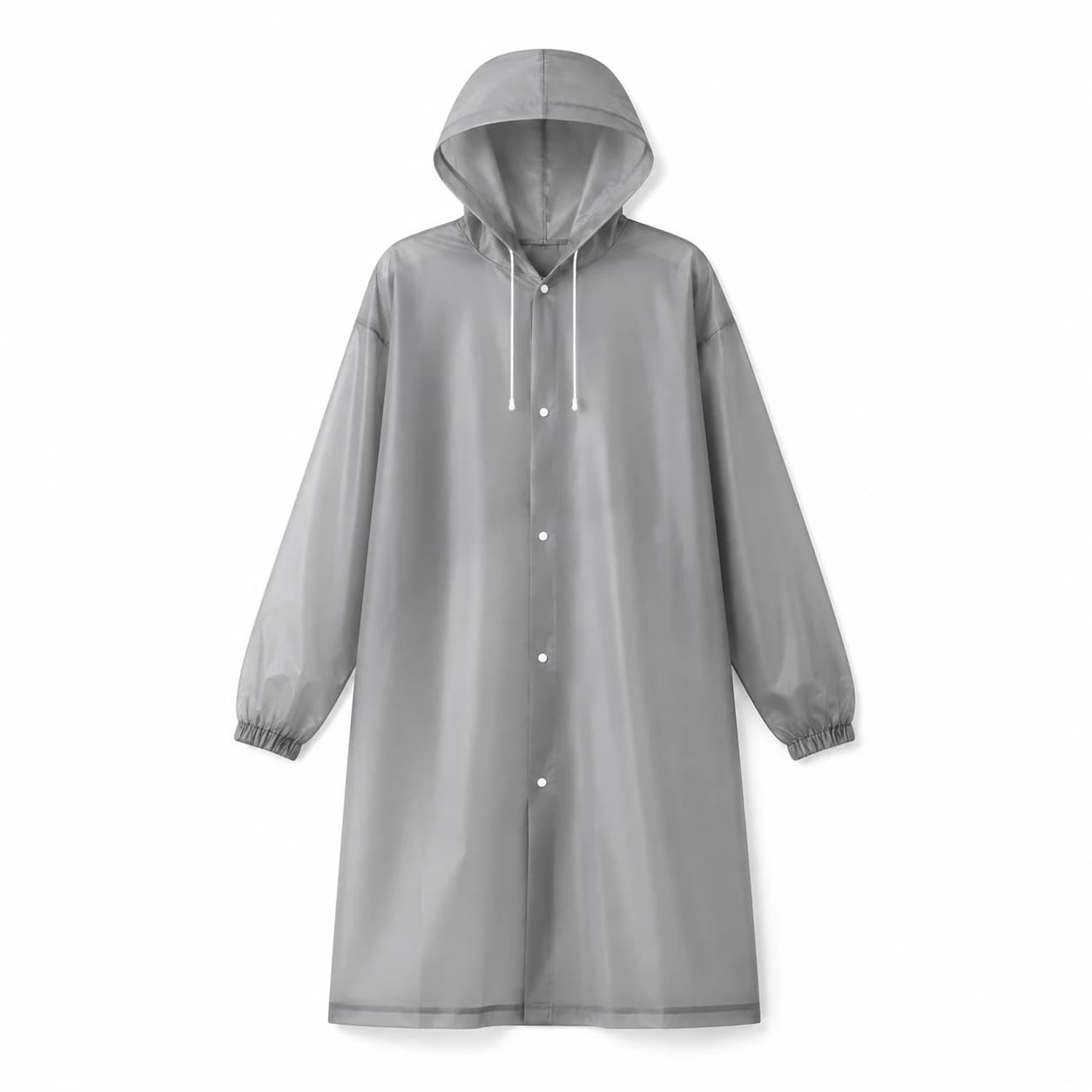
Product format: reusable portable raincoat
Wholesale fromUSD 2.38 per unit50–500 units · EXW
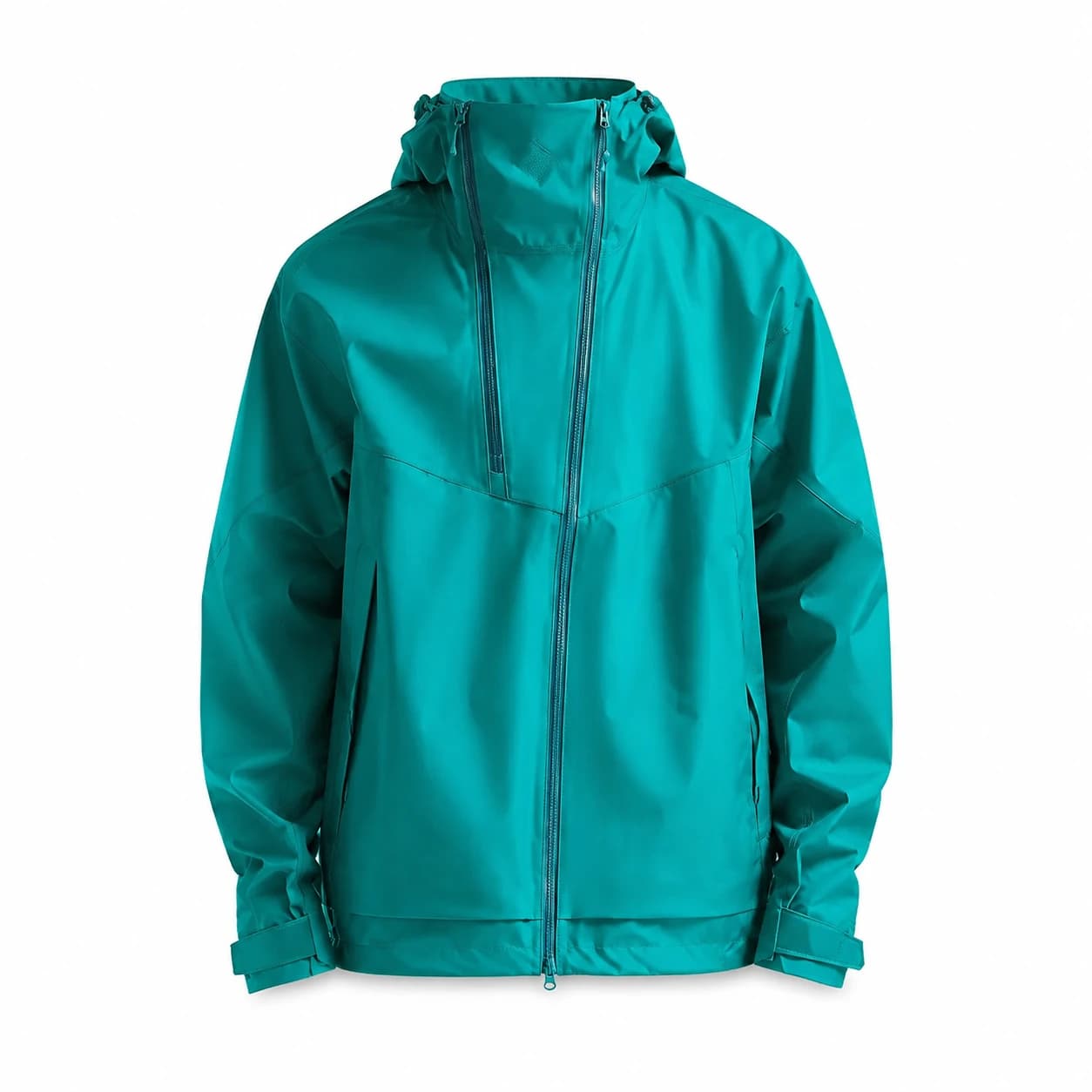
Design: 3-layer composite outerwear
Wholesale fromUSD 55.01 per unit50–500 units · EXW
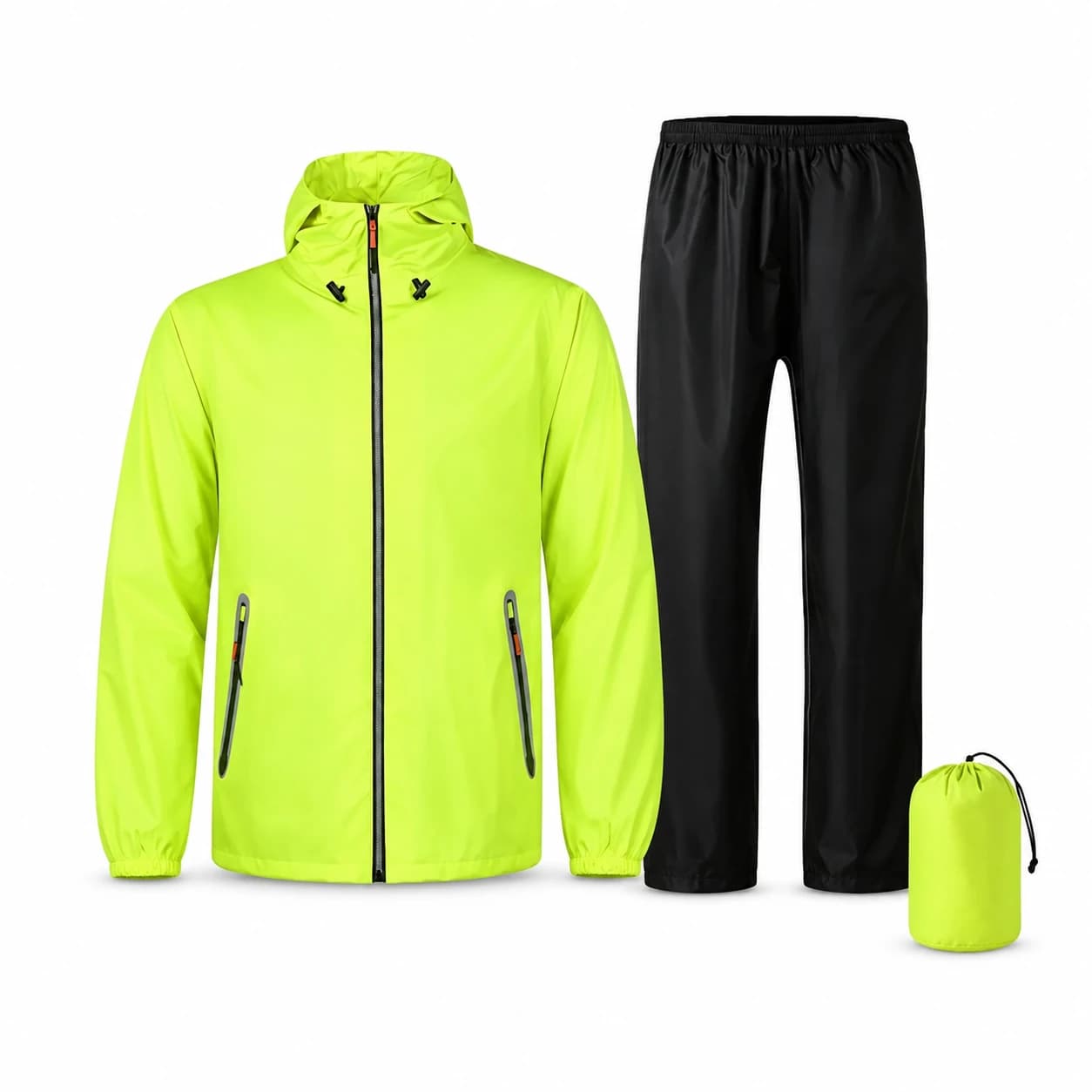
Product format: unisex ultralight rain suit
Wholesale fromUSD 8.15 per unit50–500 units · EXW
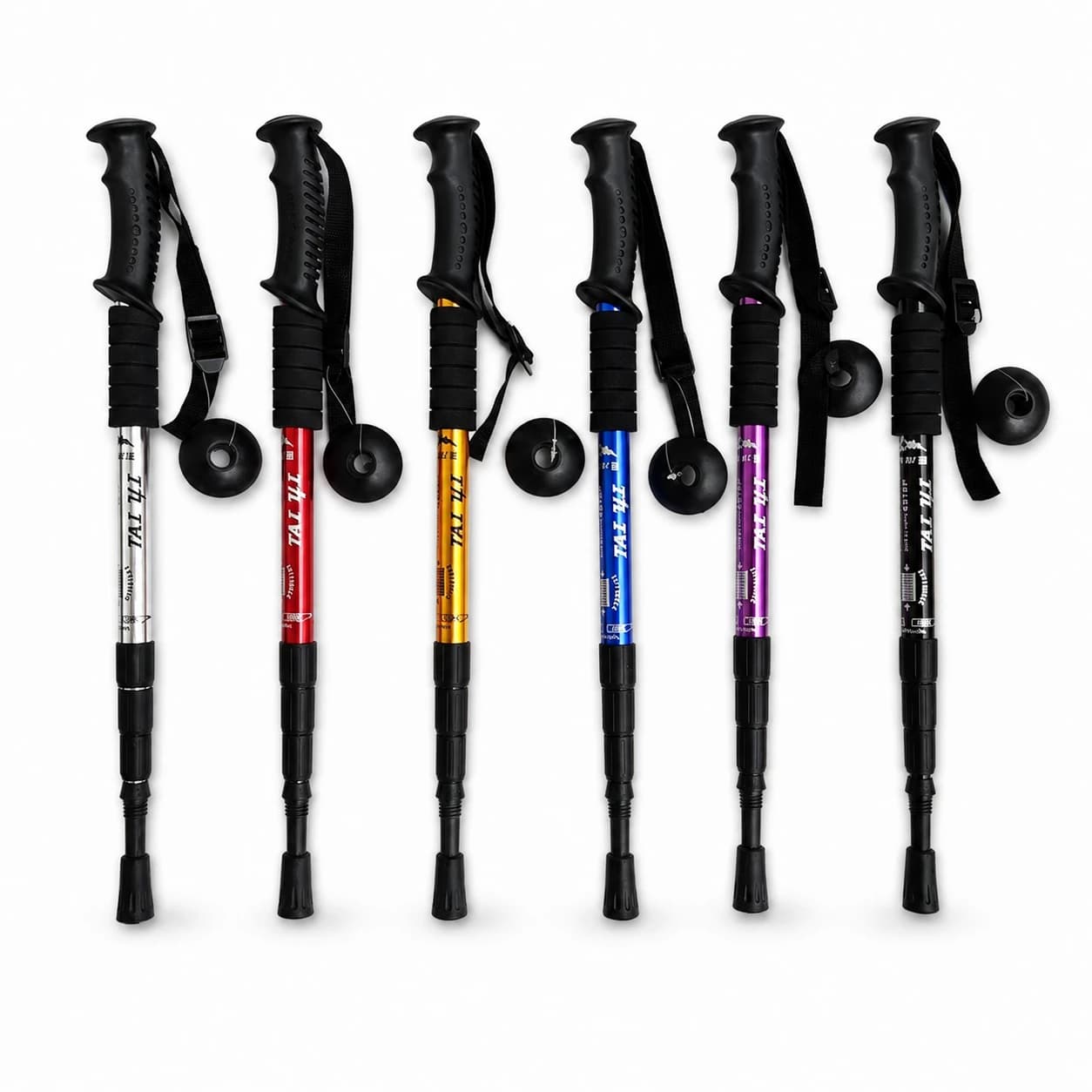
Keep trekking-pole and hiking-footwear specifications on separate purchase lines. Compare listed pole dimensions and adjustment details; request the footwear size chart and selected construction details.
Match the item to its activity and user profile, then compare the visible material, capacity or size, construction features and any market-specific testing questions.
Outdoor retailers, distributors and procurement teams can compare published product references across camping, beach, hiking and sleep categories, then turn the shortlist into a focused B2B enquiry.
Open the closest product page, review its published details and send the reference with your intended use, target market, estimated quantity and required specification.
Yes. List each product name or link so the request remains tied to the published catalog.
Compare the fields published on each page, such as construction, dimensions, materials, colour, capacity and included items.
Build a wearable outdoor range around the intended user and the task, then separate size, construction and finish. Backpack litres describe a capacity label, not torso fit or a carrying-load approval. Garment size labels need measurements of the finished garment; footwear needs its own size conversion and fitting reference. Keep these different sizing systems on separate sheets. For a sample, use the actual clothing layers or equipment the customer is expected to carry. Record the version tested and the observations so a later colour or construction change is not treated as the same approved item.
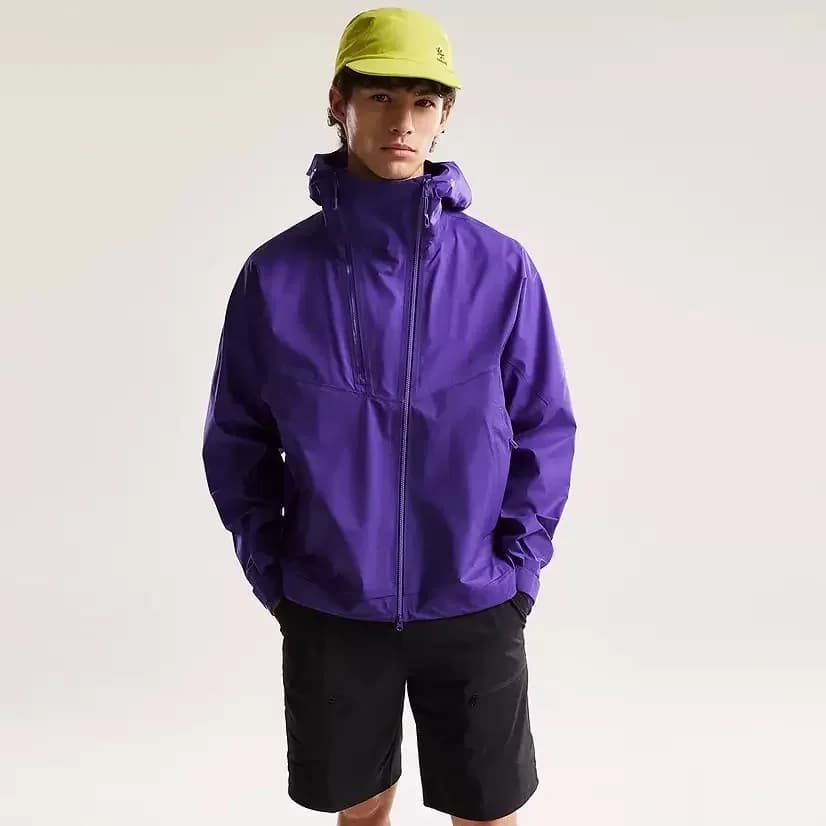
Each photo identifies the named catalog reference. These are separate products, not a bundled set or evidence of a completed customer project.
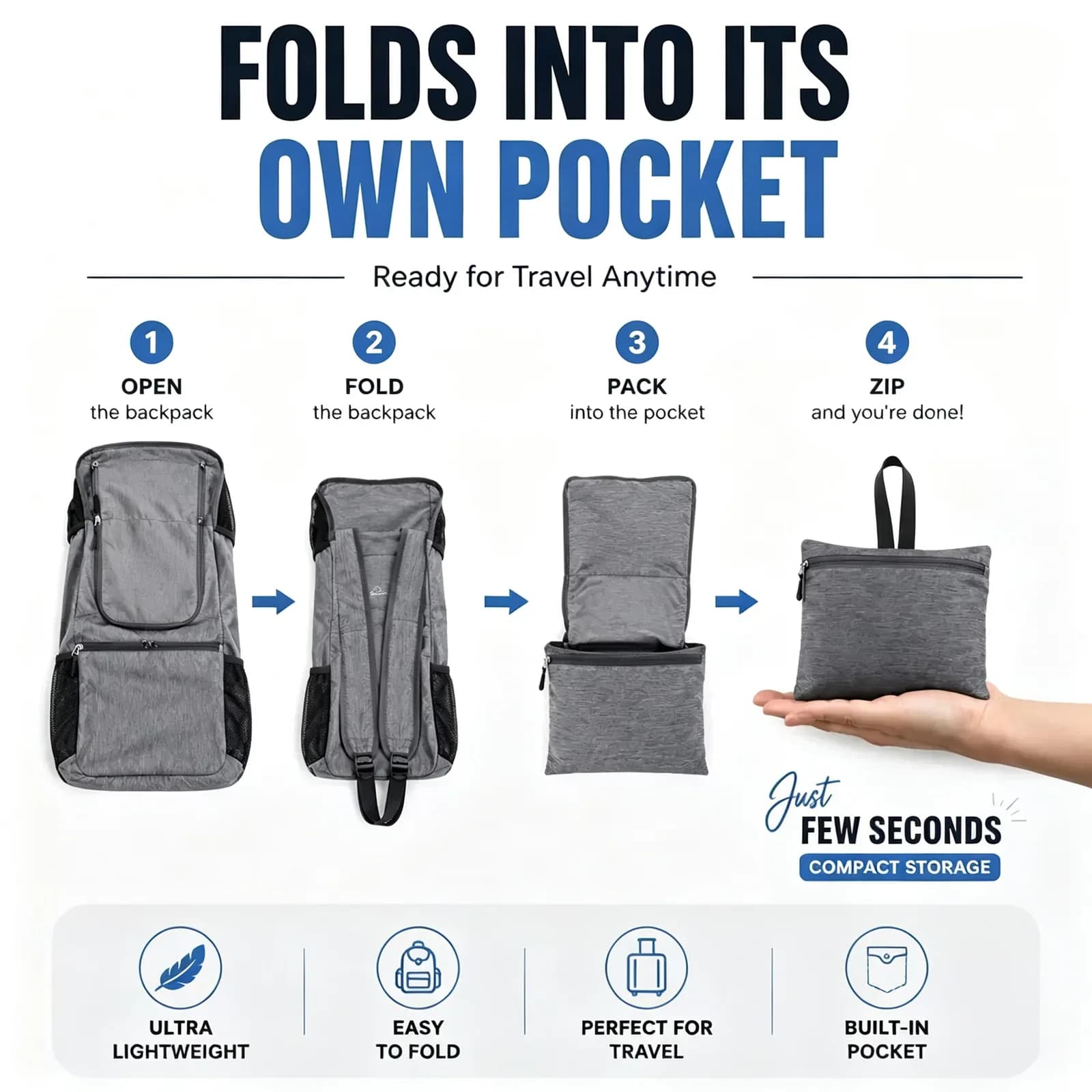
The 20 L daypack is listed at 230 g, with expanded dimensions of 46.5 × 26.5 × 9.5 cm and packed dimensions of 20 × 18 × 6 cm. Its fold-to-pocket format is a practical distinction from the other backpacks. The published litre capacity should stay as stated; multiplying the exterior dimensions of a flexible bag is not a substitute capacity measurement.
Here 3L means three-layer construction, not a three-litre capacity. The jacket record describes a composite shell, sealed seams and specified front-zipper and pocket construction, with embroidery as a logo option. For a branded sample, mark the proposed embroidery location and retain the seam and closure details in the brief. The listing does not publish a numeric breathability or hydrostatic-head result.
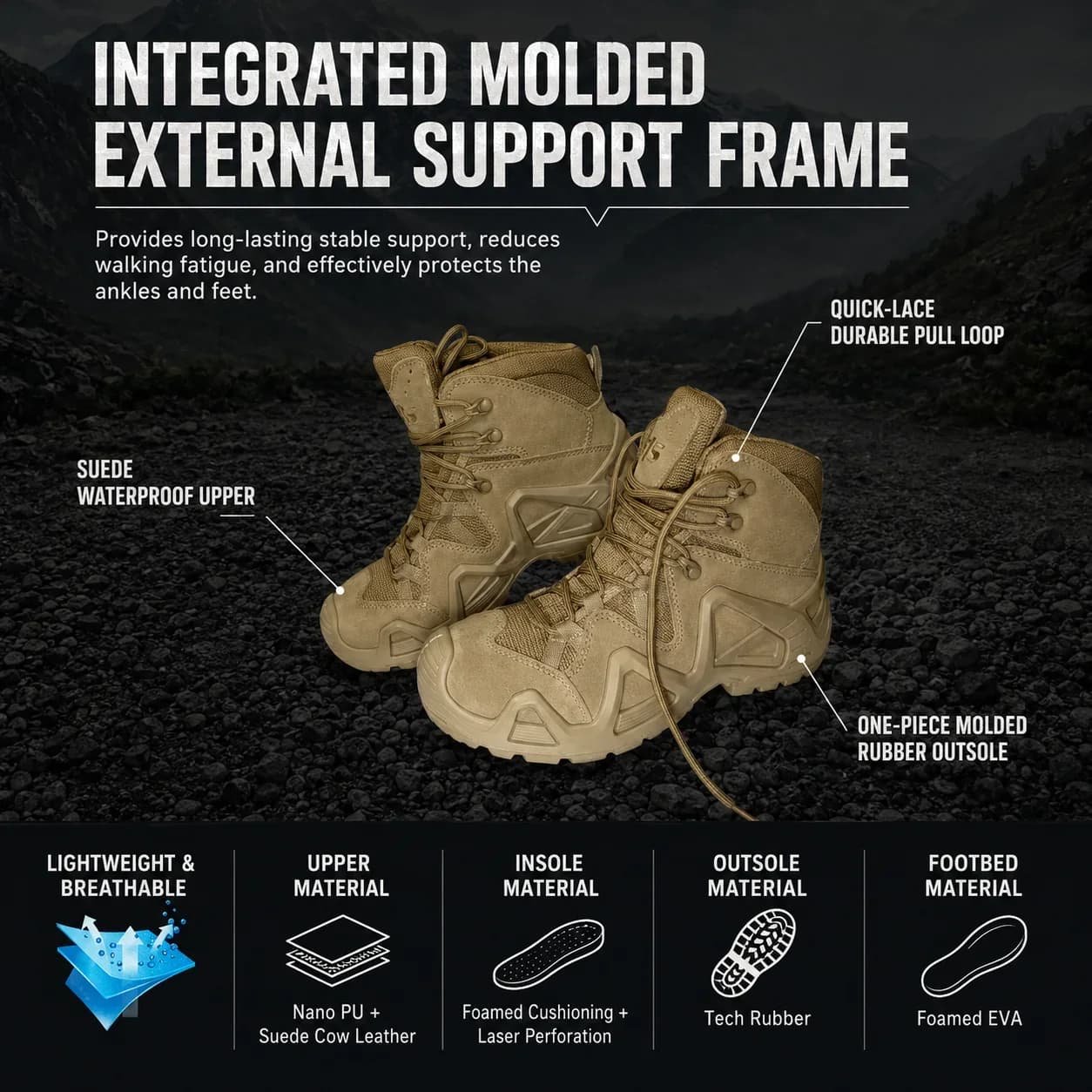
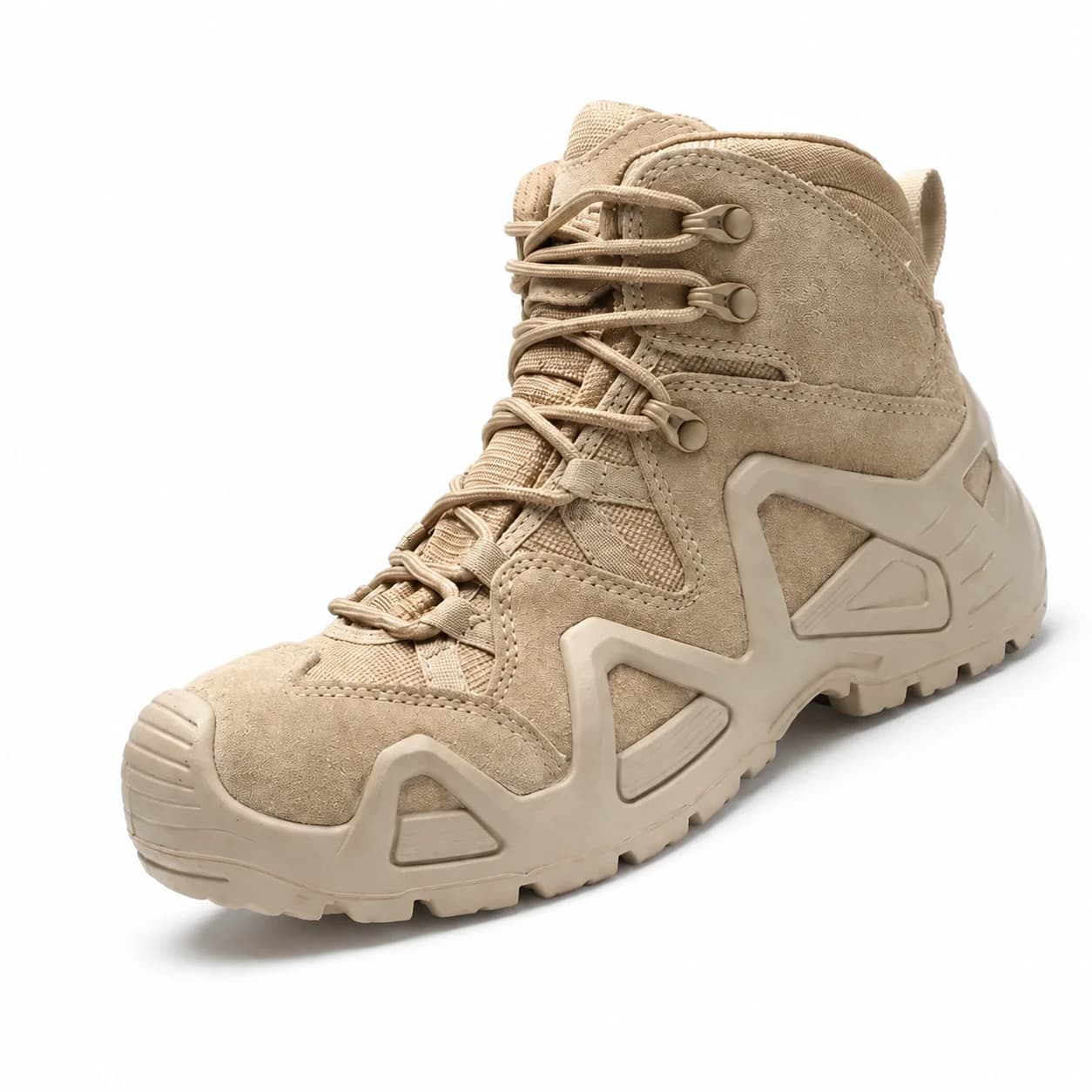
The boots combine a suede cow-leather and fabric upper, a waterproof sock liner and a rubber-plus-PU outsole. These are separate parts of the footwear specification. Sand and khaki are the listed colour options. A fitting brief should identify the size scale and actual foot or last measurements; do not infer a protective-toe classification or occupational certification from the word tactical.
| Product reference | Catalog specifications |
|---|---|
| Packable 20 L Daypack | 230 g Water-Resistant Travel Backpack |
|
| 3L Waterproof Hiking Jacket | Custom Logo Seam-Sealed Outerwear |
|
| Waterproof Tactical Hiking Boots | Suede Leather Trekking Shoes |
|
Keep one specification sheet for each shortlisted version. Put the product URL, size, colour and dated photographs at the top, then distinguish published facts from requested changes. If the brief combines a tent, a cooking item and clothing, give each its own line and quantity. Their dimensions, materials and accessories describe different things and should not be merged into a single specification. For example, a tent’s packed length is a storage measurement, a kettle’s external dimensions do not state its usable capacity, and backpack litres do not describe torso fit. When a field is absent, leave it marked for confirmation instead of borrowing a value from a visually similar item. Before comparing quotations, check that they refer to the same version and supply scope. Record any substitutions explicitly, including the affected component, colour or packaging. This makes later sample review more useful: the reviewer can compare an identified item against a written requirement instead of trying to reconstruct a decision from a photo and a price.
Build a wearable outdoor range around the intended user and the task, then separate size, construction and finish. Backpack litres describe a capacity label, not torso fit or a carrying-load approval. Garment size labels need measurements of the finished garment; footwear needs its own size conversion and fitting reference. Keep these different sizing systems on separate sheets. For a sample, use the actual clothing layers or equipment the customer is expected to carry. Record the version tested and the observations so a later colour or construction change is not treated as the same approved item.
The 20 L daypack is listed at 230 g, with expanded dimensions of 46.5 × 26.5 × 9.5 cm and packed dimensions of 20 × 18 × 6 cm. Its fold-to-pocket format is a practical distinction from the other backpacks. The published litre capacity should stay as stated; multiplying the exterior dimensions of a flexible bag is not a substitute capacity measurement.
Here 3L means three-layer construction, not a three-litre capacity. The jacket record describes a composite shell, sealed seams and specified front-zipper and pocket construction, with embroidery as a logo option. For a branded sample, mark the proposed embroidery location and retain the seam and closure details in the brief. The listing does not publish a numeric breathability or hydrostatic-head result.
The boots combine a suede cow-leather and fabric upper, a waterproof sock liner and a rubber-plus-PU outsole. These are separate parts of the footwear specification. Sand and khaki are the listed colour options. A fitting brief should identify the size scale and actual foot or last measurements; do not infer a protective-toe classification or occupational certification from the word tactical.
Keep one specification sheet for each shortlisted version. Put the product URL, size, colour and dated photographs at the top, then distinguish published facts from requested changes. If the brief combines a tent, a cooking item and clothing, give each its own line and quantity. Their dimensions, materials and accessories describe different things and should not be merged into a single specification. For example, a tent’s packed length is a storage measurement, a kettle’s external dimensions do not state its usable capacity, and backpack litres do not describe torso fit. When a field is absent, leave it marked for confirmation instead of borrowing a value from a visually similar item. Before comparing quotations, check that they refer to the same version and supply scope. Record any substitutions explicitly, including the affected component, colour or packaging. This makes later sample review more useful: the reviewer can compare an identified item against a written requirement instead of trying to reconstruct a decision from a photo and a price.
Send the product reference, intended use, target market, estimated quantity and required specification.