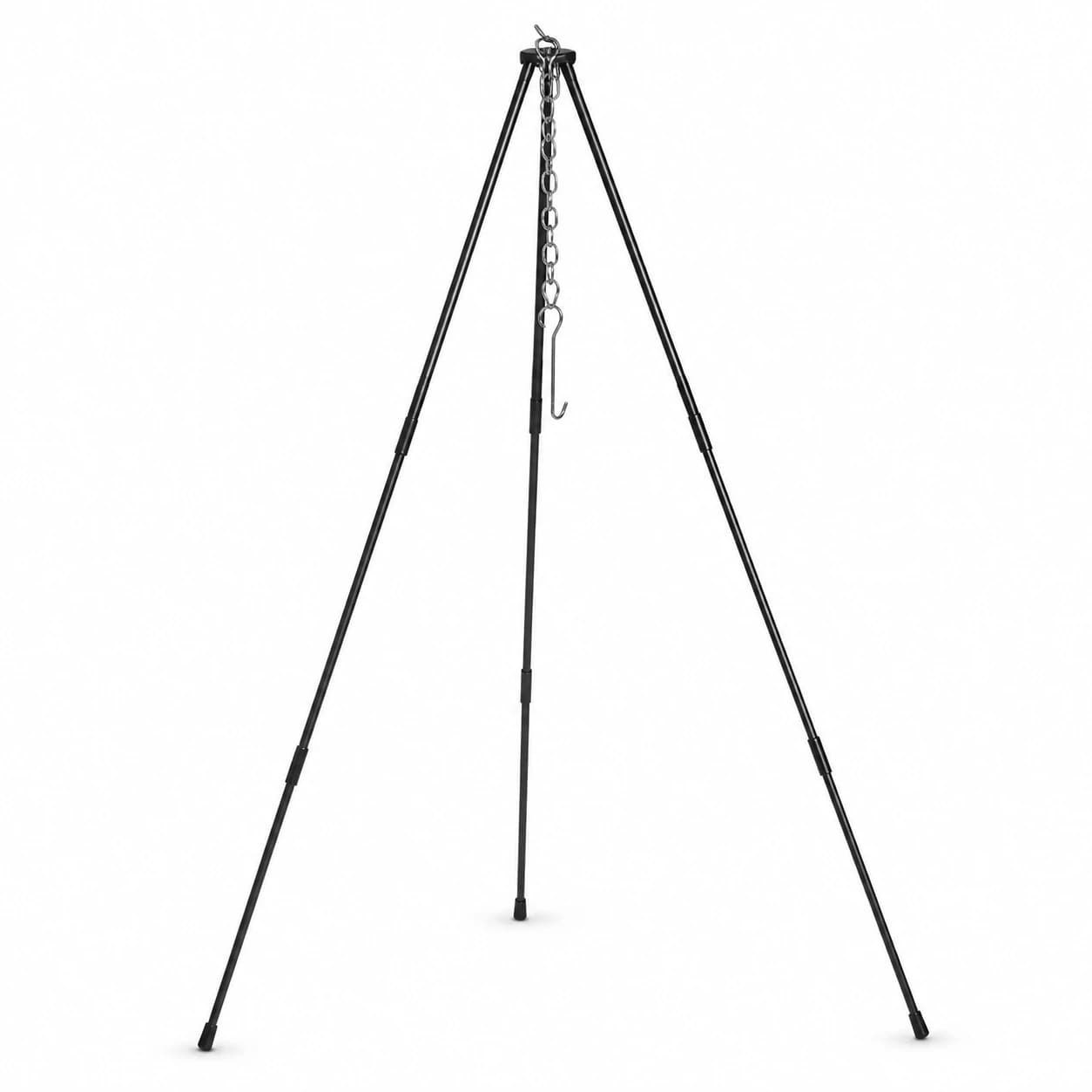
Aluminium Alloy Camping Cookware Tripod | Folding Pot Stand
Material: 6061 aluminium alloy
Wholesale fromUSD 7.13 per unit50–500 units · EXW
Review camp-kitchen and lighting products using the listed materials, dimensions, weight and included-item details before requesting a quote.
For wholesale camping cookware and kettles, compare the itemised set contents, stated materials and vessel-specific capacity. List pot stands separately in the quotation request.
Material: 6061 aluminium alloy
Wholesale fromUSD 7.13 per unit50–500 units · EXW
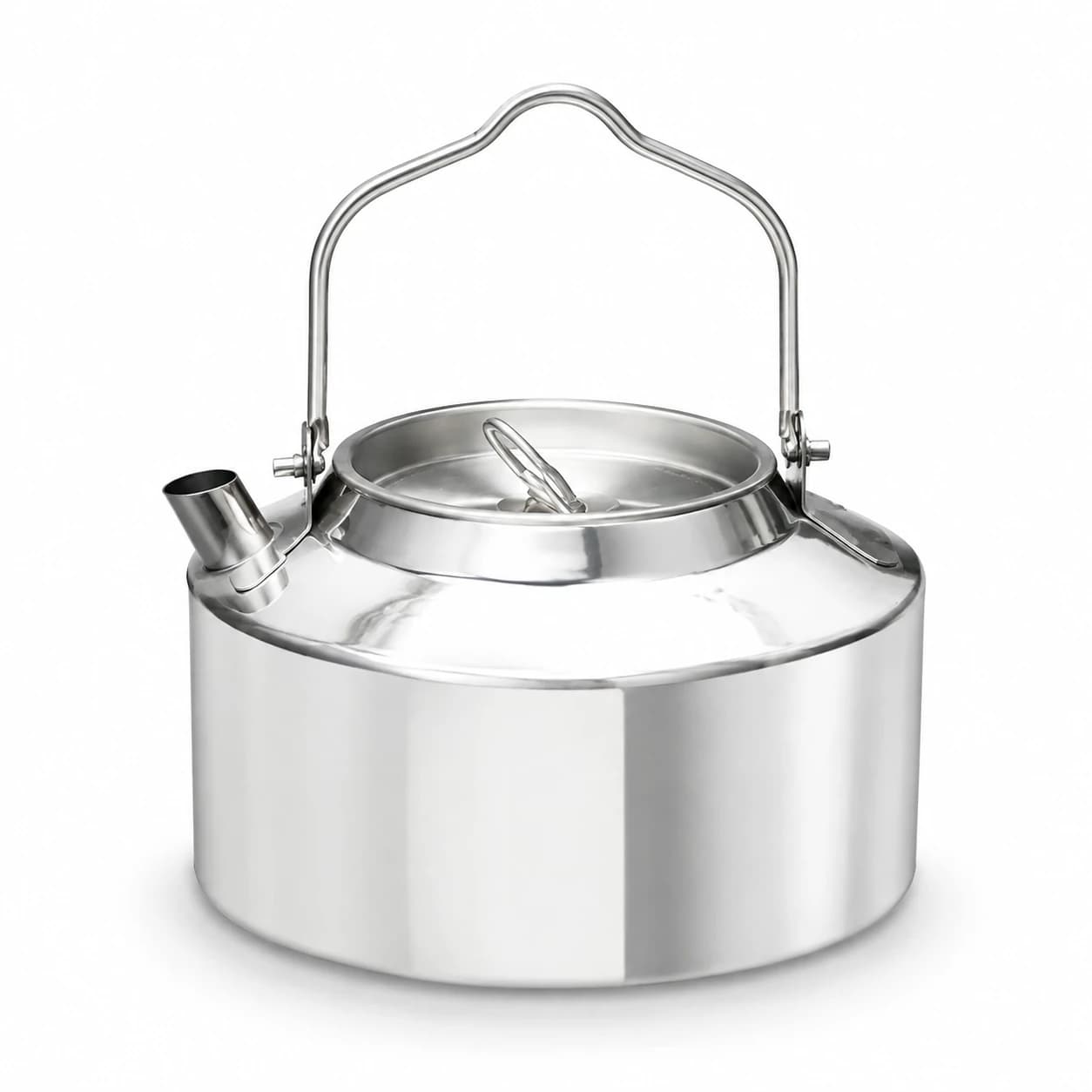
Material: stainless steel
Wholesale fromUSD 8.97 per unit50–500 units · EXW
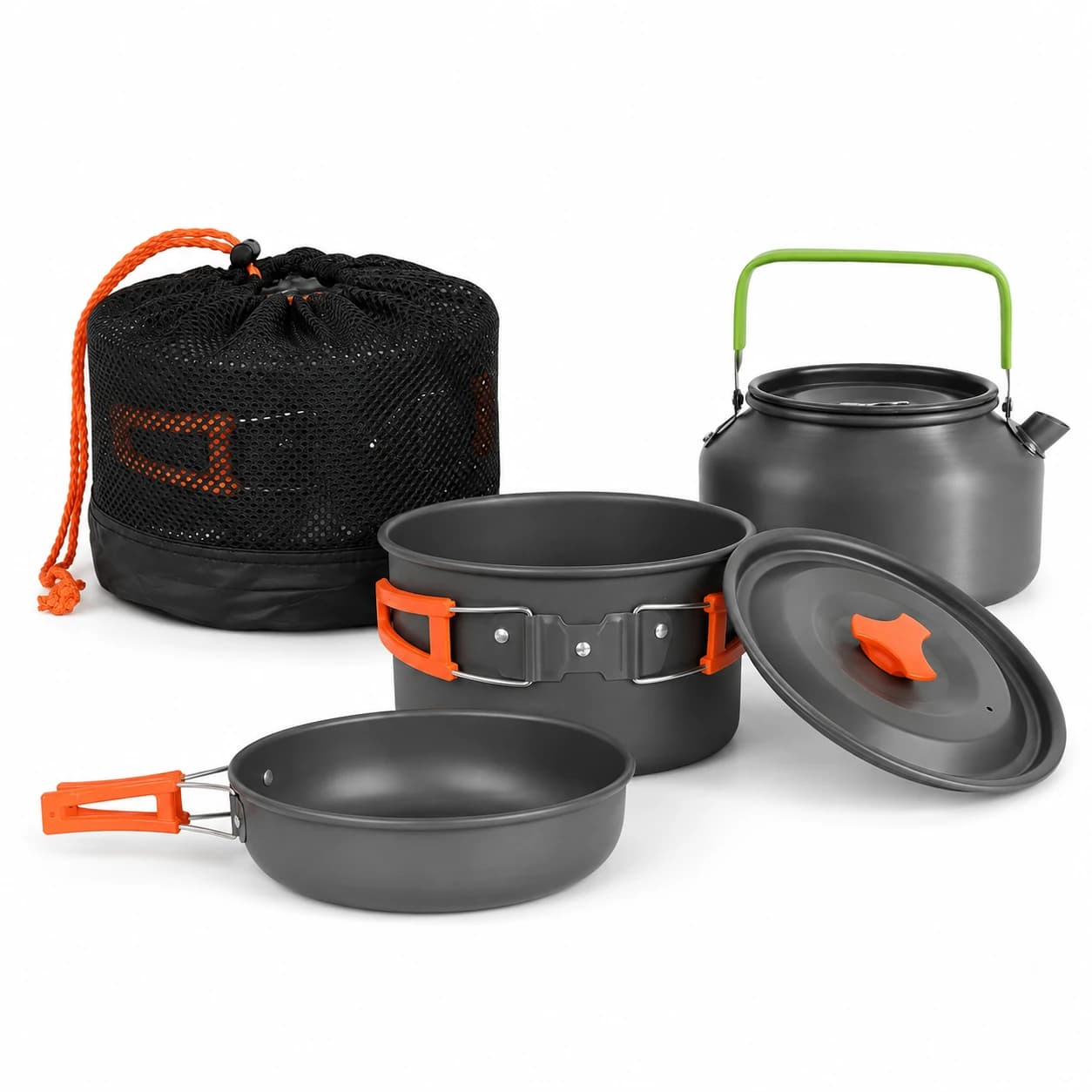
Product format: outdoor portable cookware set
Wholesale fromUSD 13.04 per unit50–500 units · EXW
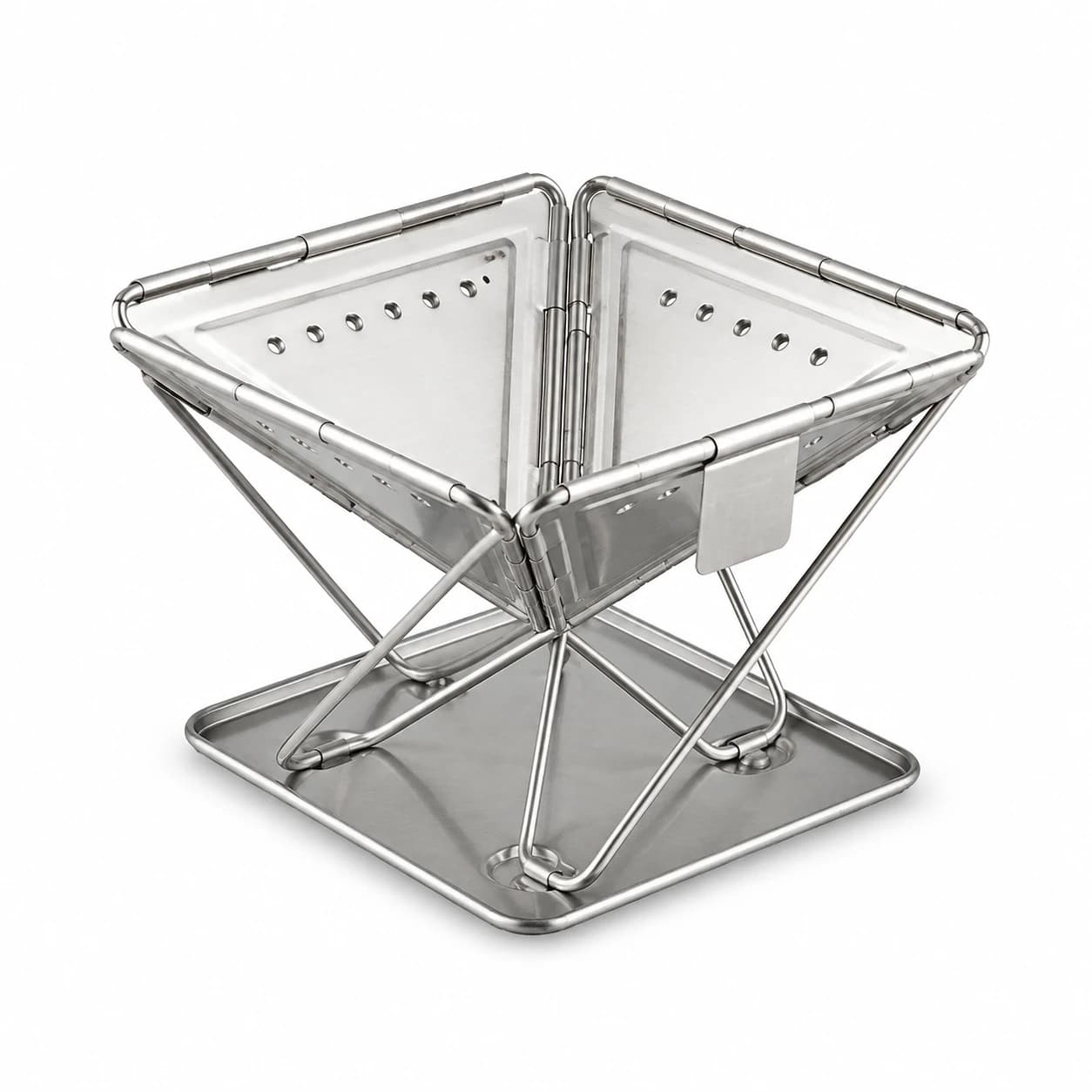
Buying portable camping stoves or grills? Specify the selected product, intended fuel and destination market. Ask for its connection details and instructions before choosing fuel containers or adapters.
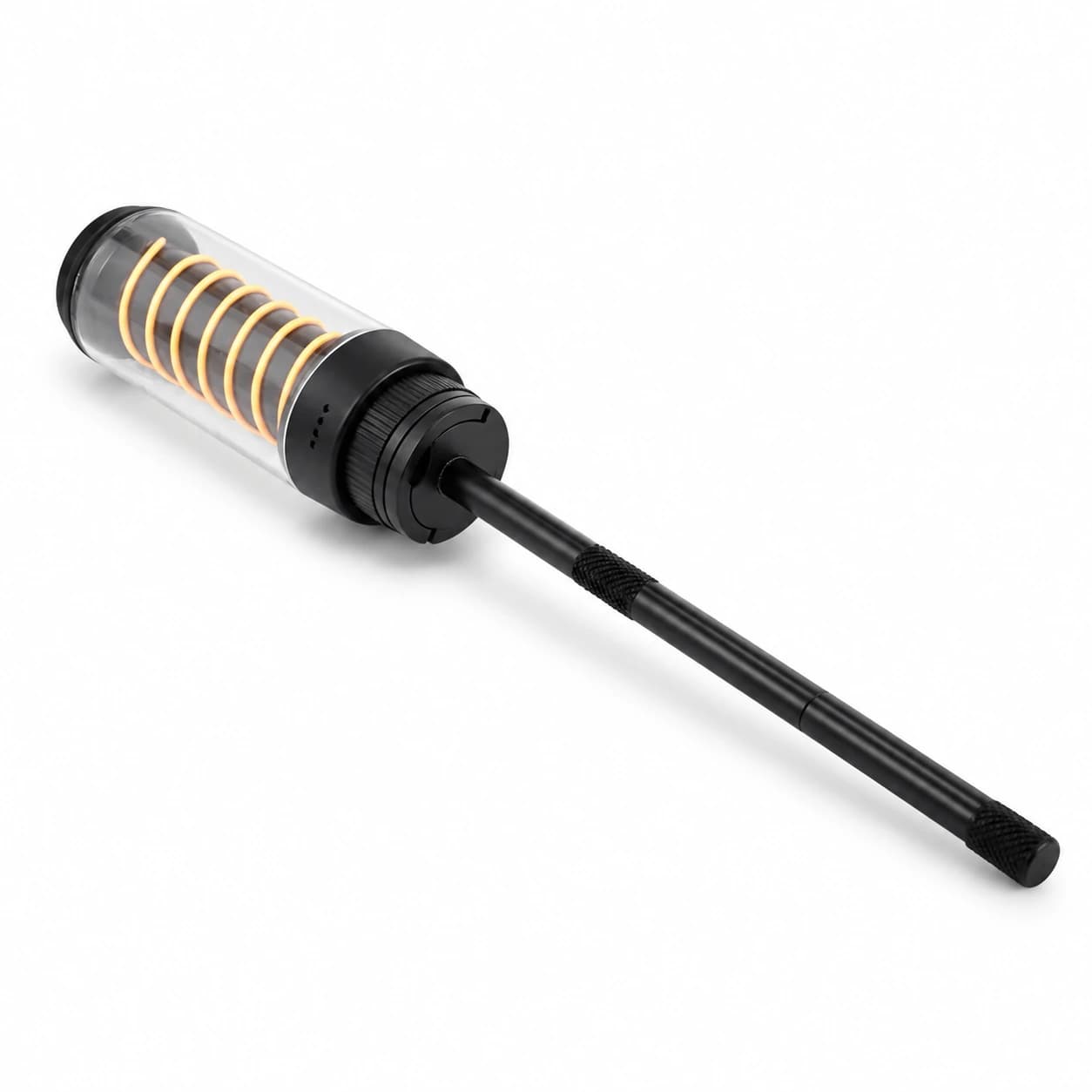
Source rechargeable camping lanterns with a comparable specification sheet: brightness mode, runtime test conditions, battery and charging input. Request records for the selected version’s claims.
Identify the product configuration first, then record material, size, weight, fuel or power format where stated, packaging needs and target-market requirements.
Outdoor retailers, distributors and procurement teams can compare published product references across camping, beach, hiking and sleep categories, then turn the shortlist into a focused B2B enquiry.
Open the closest product page, review its published details and send the reference with your intended use, target market, estimated quantity and required specification.
Yes. List each product name or link so the request remains tied to the published catalog.
Compare the fields published on each page, such as construction, dimensions, materials, colour, capacity and included items.
Plan a camp kitchen by separating its jobs: heating, holding cookware, preparing food, serving and lighting. A tripod is a support component; a kettle is a vessel; a stove supplies heat. A photograph containing several items is not an inclusion list. Keep each product reference on its own order line, then record any items that must work together. For cookware, distinguish the metal body, handles, lid and accessories. Compare vessel dimensions with the intended cooking arrangement before treating two items as a set. Listed weight is useful for an assortment comparison only when the same components are included in both totals.
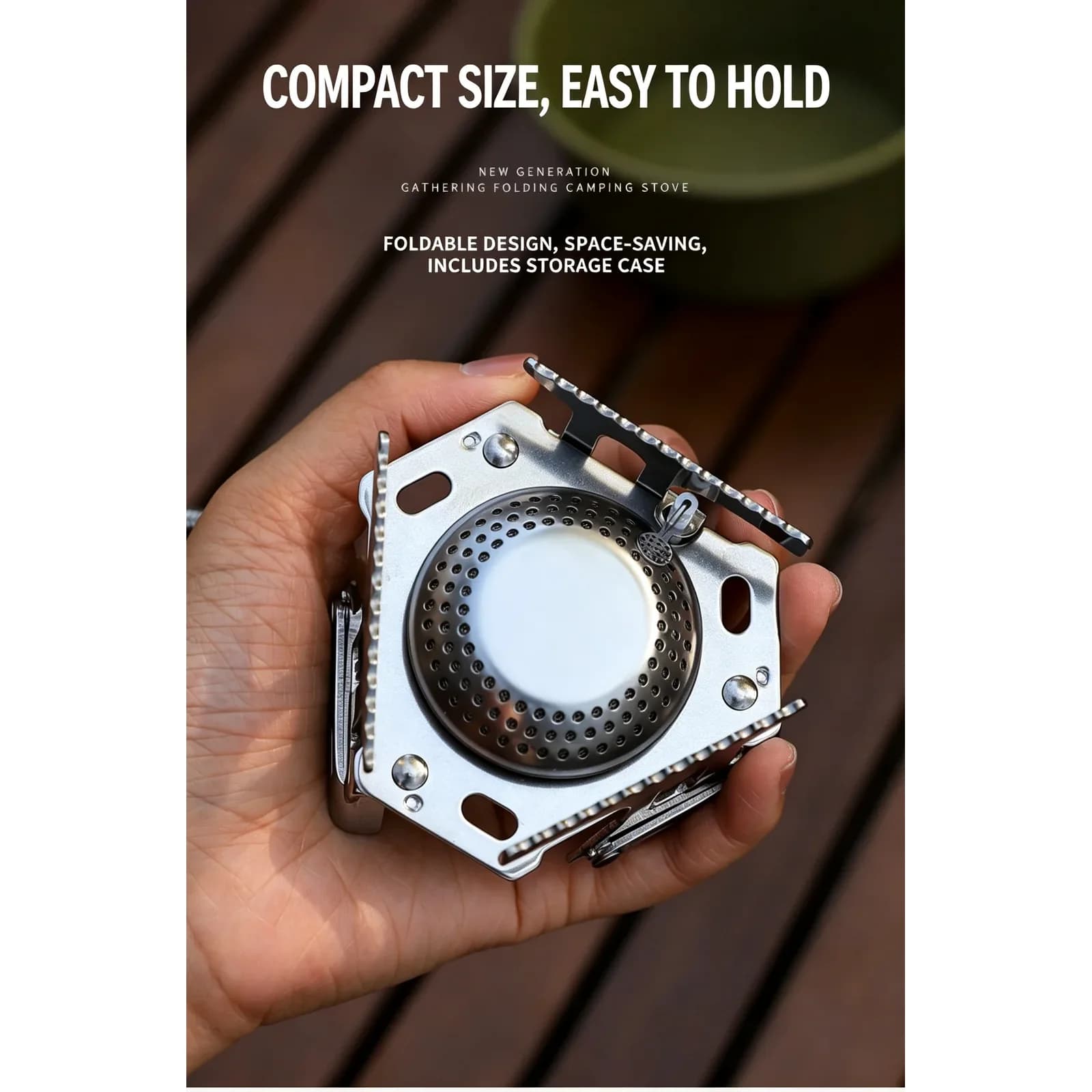
Each photo identifies the named catalog reference. These are separate products, not a bundled set or evidence of a completed customer project.
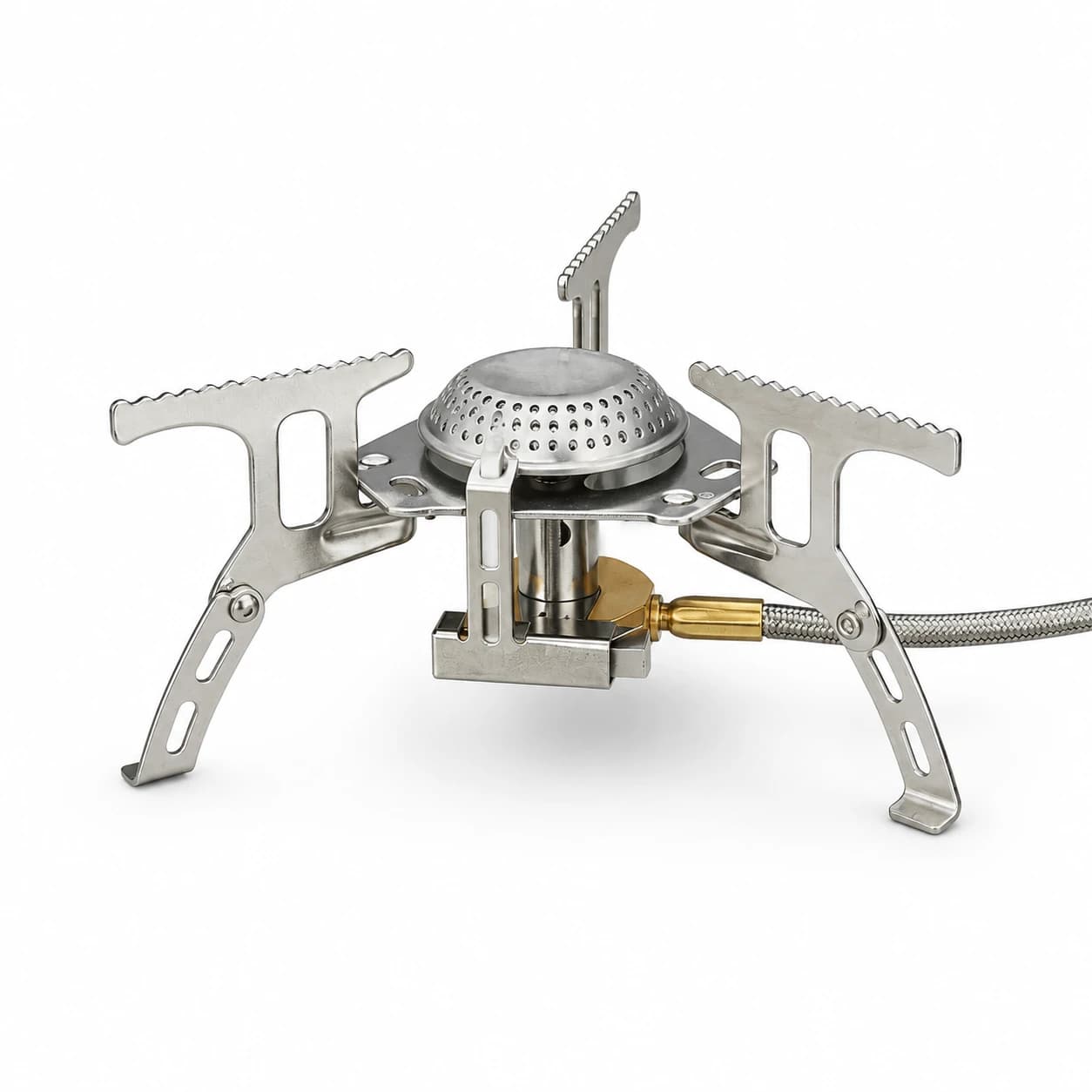
This burner has a listed open size of 14 × 7 cm and packed size of 6 × 7 cm, with a 230 g weight and 38 cm hose. The material record names stainless steel, aluminium and brass. The hose length does not identify the fuel connector standard. Obtain the selected version’s fuel and connection instructions before specifying a canister or marketing a compatible stove set.
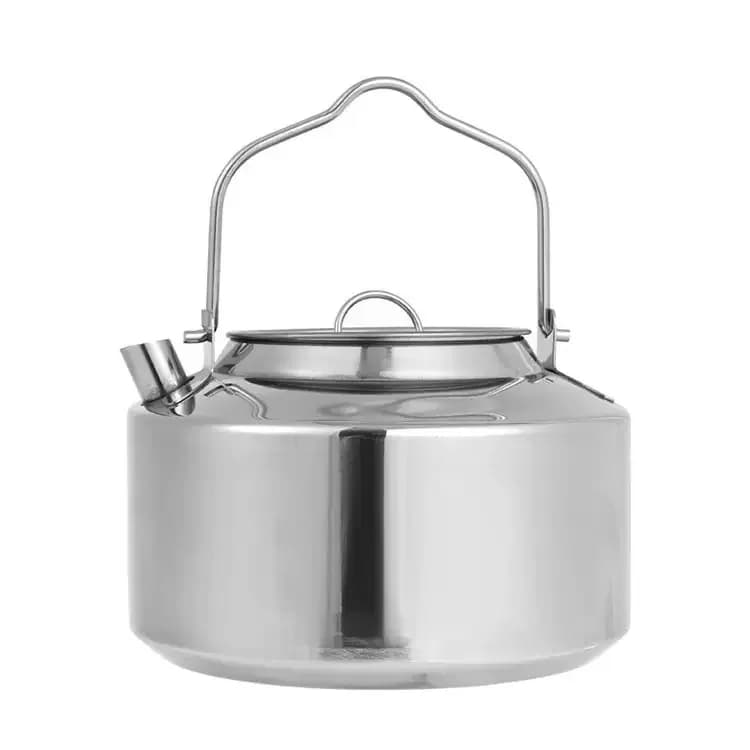
This stainless-steel kettle has listed dimensions of 10 × 15 × 17 cm and a 288 g weight. Those dimensions do not specify usable water capacity. Keep the volume field open until the selected kettle is measured or documented. For a cookware range, compare the handle, lid, spout and base with the intended packing and cooking arrangement instead of assuming every camp kettle fits every stove.
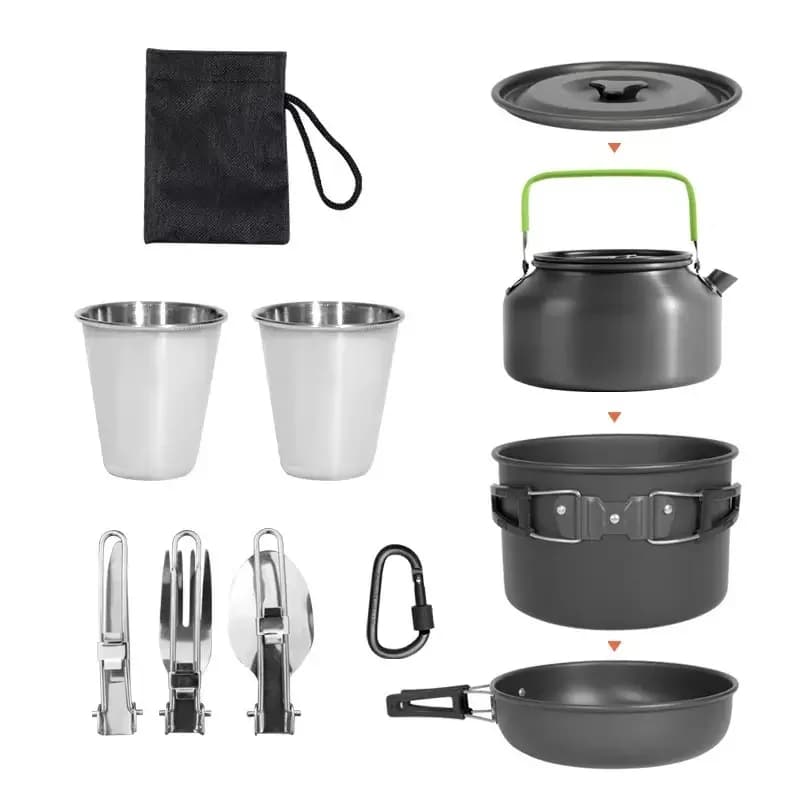
The DS-308 cookware reference lists aluminium-alloy cookware, ABS handles and a 600 g reference weight. Its kettle is specifically listed as 0.8 L, 14 cm in diameter and 8.5 cm high. Keep that volume attached to the kettle, not every vessel in the set. Use an itemised contents list to reconcile the eight-piece name with the pieces selected for your order.
| Product reference | Catalog specifications |
|---|---|
| Portable Gas Stove | 230 g Stainless Steel Camping Burner |
|
| Stainless Steel Camping Kettle | 288 g Portable Outdoor Kettle |
|
| 8-Piece Camping Cookware Set | 600 g Nesting Outdoor Cooking Kit |
|
Keep one specification sheet for each shortlisted version. Put the product URL, size, colour and dated photographs at the top, then distinguish published facts from requested changes. If the brief combines a tent, a cooking item and clothing, give each its own line and quantity. Their dimensions, materials and accessories describe different things and should not be merged into a single specification. For example, a tent’s packed length is a storage measurement, a kettle’s external dimensions do not state its usable capacity, and backpack litres do not describe torso fit. When a field is absent, leave it marked for confirmation instead of borrowing a value from a visually similar item. Before comparing quotations, check that they refer to the same version and supply scope. Record any substitutions explicitly, including the affected component, colour or packaging. This makes later sample review more useful: the reviewer can compare an identified item against a written requirement instead of trying to reconstruct a decision from a photo and a price.
Plan a camp kitchen by separating its jobs: heating, holding cookware, preparing food, serving and lighting. A tripod is a support component; a kettle is a vessel; a stove supplies heat. A photograph containing several items is not an inclusion list. Keep each product reference on its own order line, then record any items that must work together. For cookware, distinguish the metal body, handles, lid and accessories. Compare vessel dimensions with the intended cooking arrangement before treating two items as a set. Listed weight is useful for an assortment comparison only when the same components are included in both totals.
This burner has a listed open size of 14 × 7 cm and packed size of 6 × 7 cm, with a 230 g weight and 38 cm hose. The material record names stainless steel, aluminium and brass. The hose length does not identify the fuel connector standard. Obtain the selected version’s fuel and connection instructions before specifying a canister or marketing a compatible stove set.
This stainless-steel kettle has listed dimensions of 10 × 15 × 17 cm and a 288 g weight. Those dimensions do not specify usable water capacity. Keep the volume field open until the selected kettle is measured or documented. For a cookware range, compare the handle, lid, spout and base with the intended packing and cooking arrangement instead of assuming every camp kettle fits every stove.
The DS-308 cookware reference lists aluminium-alloy cookware, ABS handles and a 600 g reference weight. Its kettle is specifically listed as 0.8 L, 14 cm in diameter and 8.5 cm high. Keep that volume attached to the kettle, not every vessel in the set. Use an itemised contents list to reconcile the eight-piece name with the pieces selected for your order.
Keep one specification sheet for each shortlisted version. Put the product URL, size, colour and dated photographs at the top, then distinguish published facts from requested changes. If the brief combines a tent, a cooking item and clothing, give each its own line and quantity. Their dimensions, materials and accessories describe different things and should not be merged into a single specification. For example, a tent’s packed length is a storage measurement, a kettle’s external dimensions do not state its usable capacity, and backpack litres do not describe torso fit. When a field is absent, leave it marked for confirmation instead of borrowing a value from a visually similar item. Before comparing quotations, check that they refer to the same version and supply scope. Record any substitutions explicitly, including the affected component, colour or packaging. This makes later sample review more useful: the reviewer can compare an identified item against a written requirement instead of trying to reconstruct a decision from a photo and a price.
Send the product reference, intended use, target market, estimated quantity and required specification.