Envelope Sleeping Bag with Hood | 170T Polyester
Product format: Sleeping Bag
Wholesale fromUSD 7.74 per unit50–500 units · EXW
Review sleep systems and campsite accessories by size, material, packed format and intended use before choosing a product reference.
Compare inflatable air mattresses and sleeping bags by their own dimensions, materials and packed format. Ask separately about inflation equipment or temperature-test evidence for the selected item.
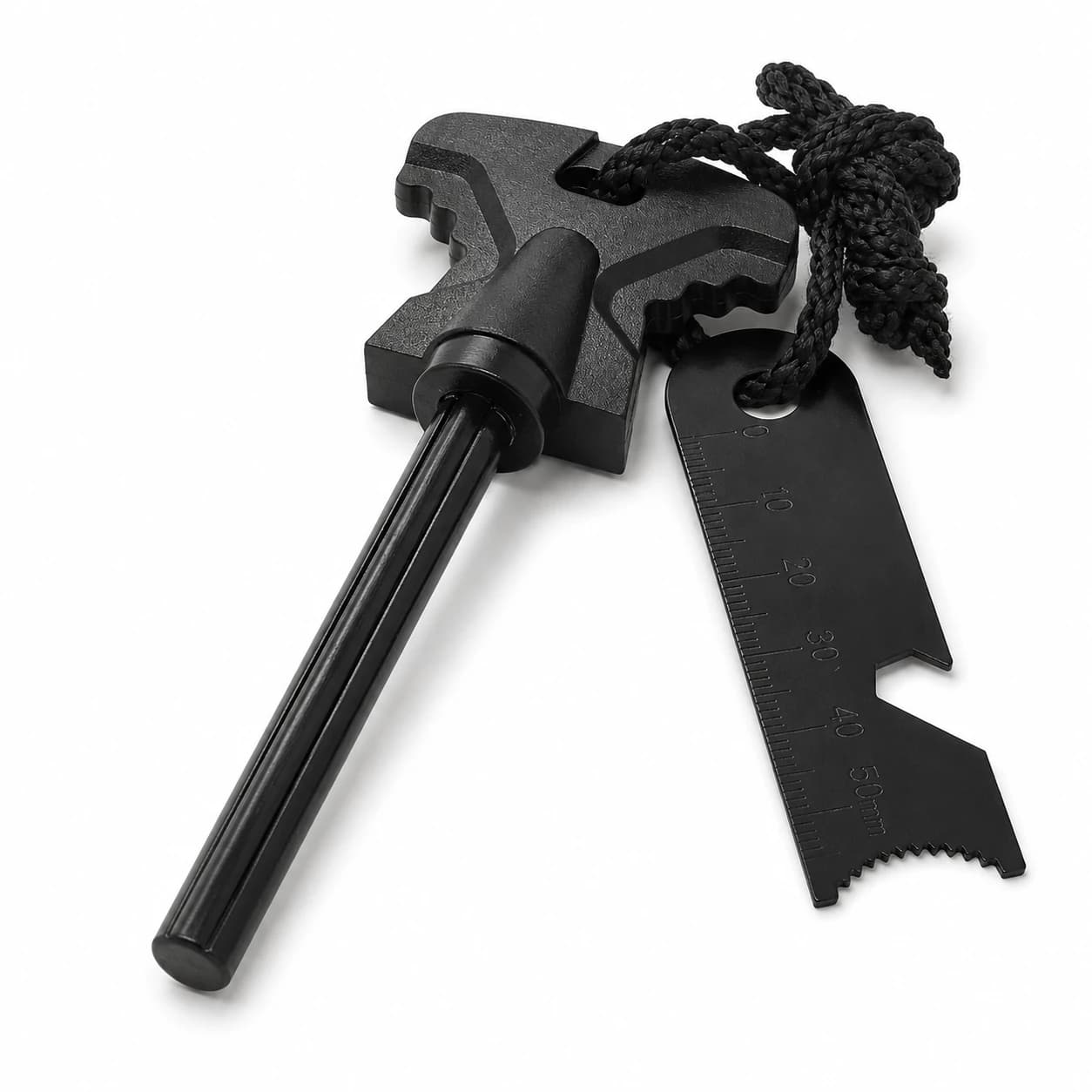
Prepare tent-accessory orders by item: stakes, guylines and fire starters. Match stated lengths and materials to each SKU and request the required quantities and intended-ground guidance for the selected tent.
Wholesale price on request
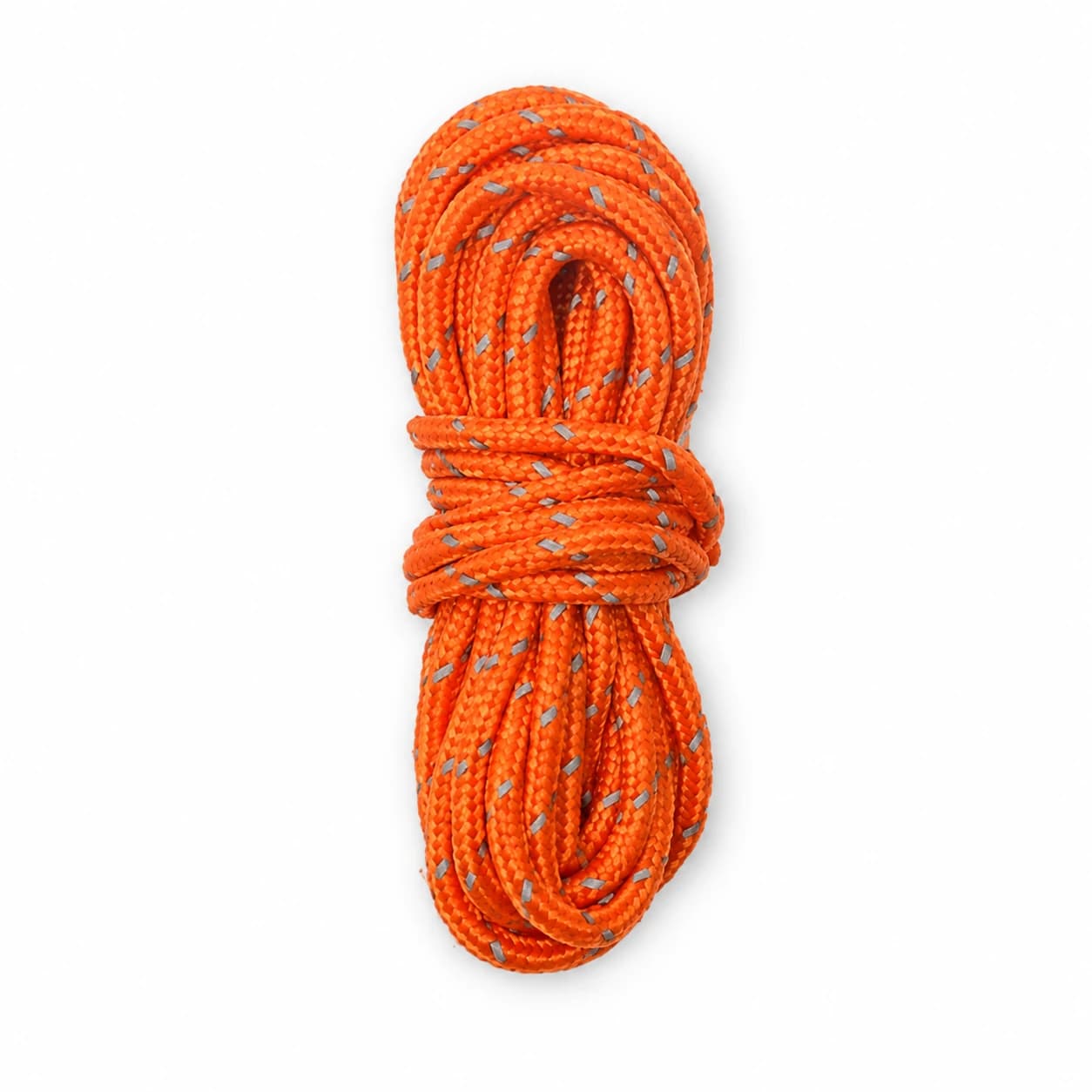
Length: 4 m
Wholesale fromUSD 3.87 per unit50–500 units · EXW
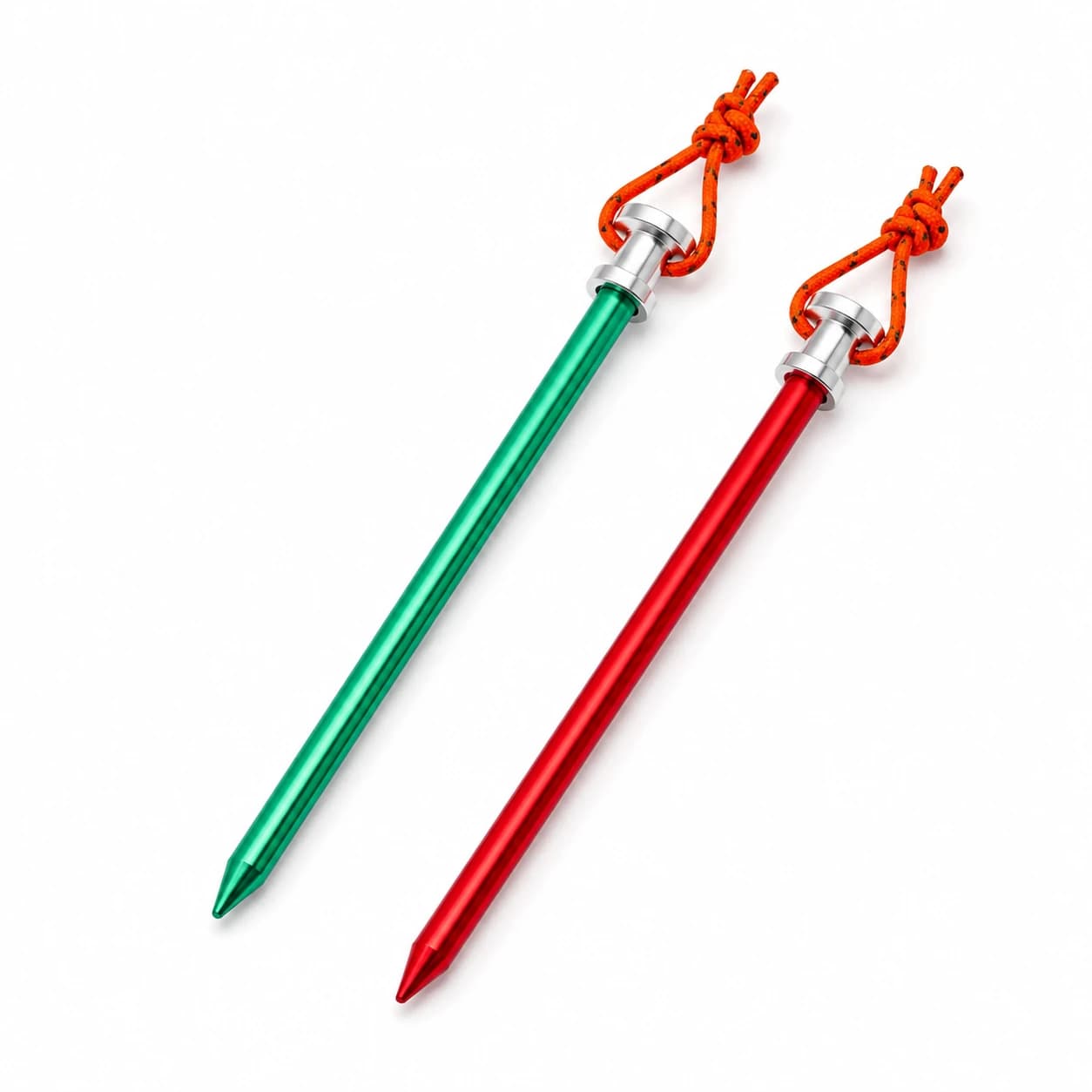
Material: aluminium alloy
Wholesale fromUSD 2.75 per unit50–500 units · EXW
Define the use case, then compare dimensions, material, packed format, component scope and any rating or test evidence required for the target market.
Outdoor retailers, distributors and procurement teams can compare published product references across camping, beach, hiking and sleep categories, then turn the shortlist into a focused B2B enquiry.
Open the closest product page, review its published details and send the reference with your intended use, target market, estimated quantity and required specification.
Yes. List each product name or link so the request remains tied to the published catalog.
Compare the fields published on each page, such as construction, dimensions, materials, colour, capacity and included items.
Keep sleeping equipment and campsite accessories in clearly named order lines. A sleeping bag, inflatable mattress, peg and guyline solve different problems, even when sold in one outdoor range. Define what the customer receives with each item and which components are separate. For a sleep product, list the intended space, packed format and included items. For an anchoring accessory, record its stated dimensions, construction and quantity basis. Do not turn the number of accessories visible in a photograph into a pack quantity. A sample checklist should identify each component by name so missing pieces can be discussed before a bulk quotation is accepted.
Each photo identifies the named catalog reference. These are separate products, not a bundled set or evidence of a completed customer project.
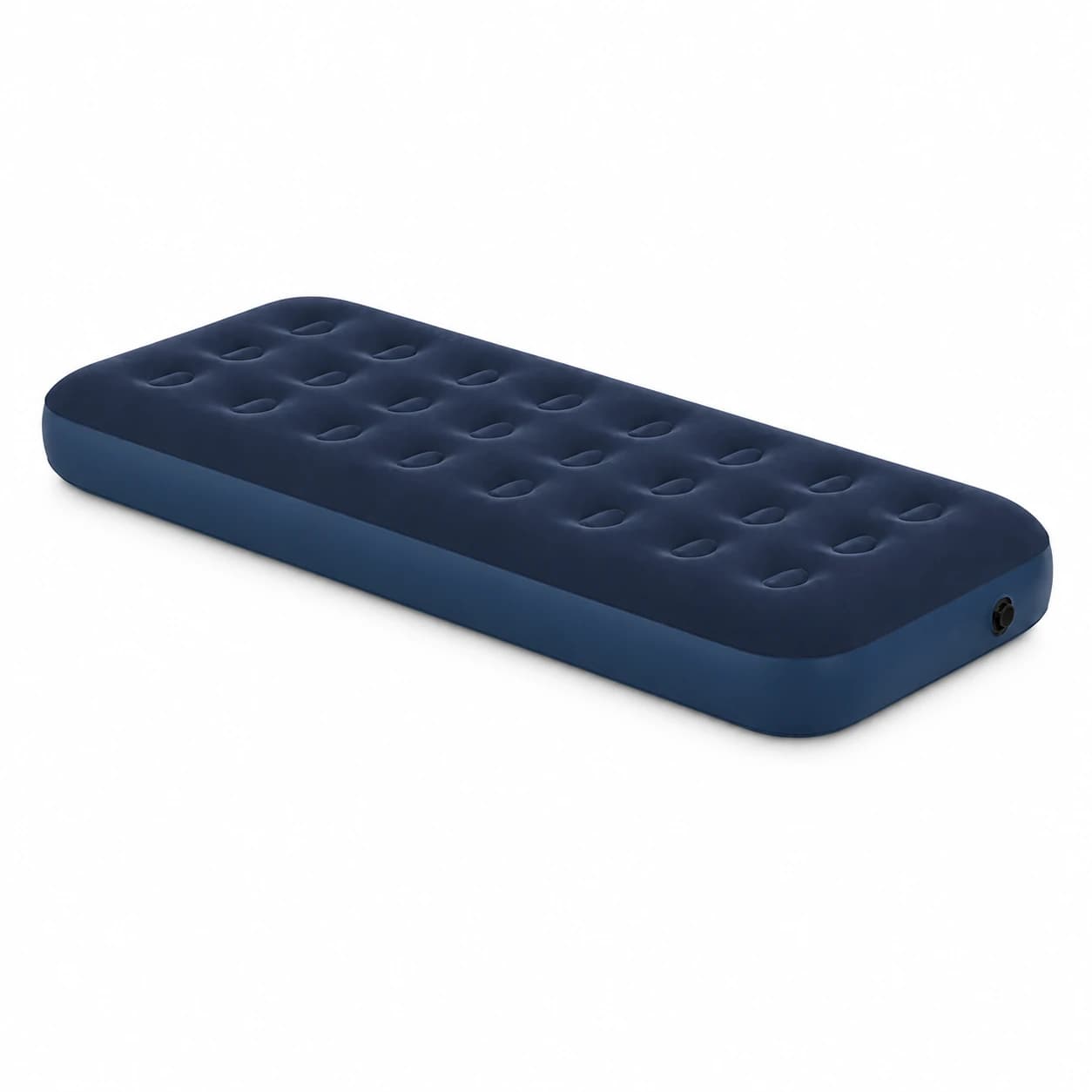
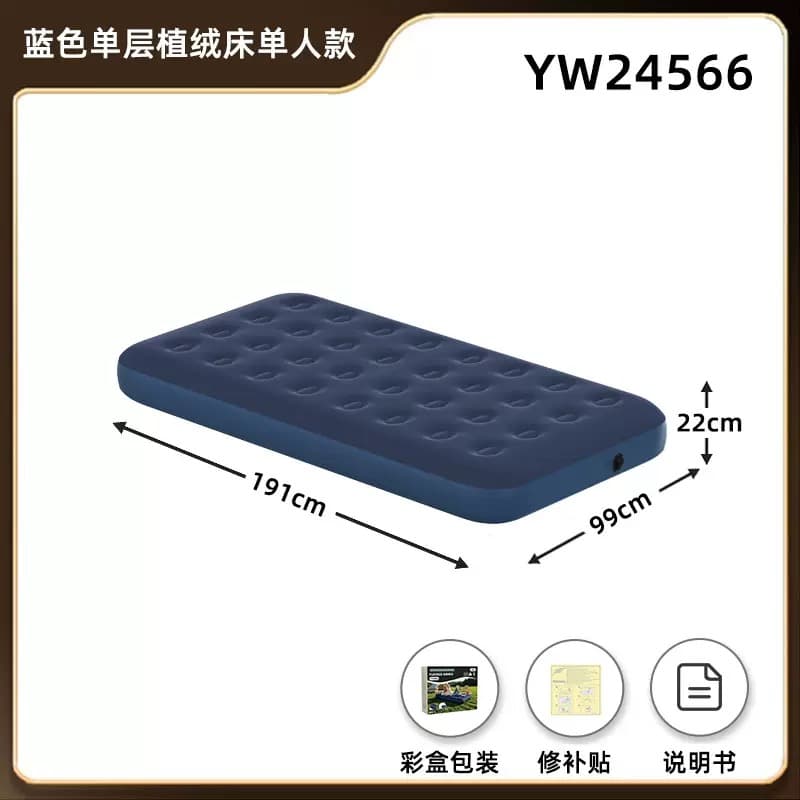
All five mattress references have a listed height of 22 cm, but their widths differ from 73 to 183 cm. The Queen and King references are also longer at 203 cm, versus 191 cm for the first three. Match the code YW24565–YW24569 to the chosen dimensions. The contents list includes a repair patch and instructions; a pump is not named in that list.
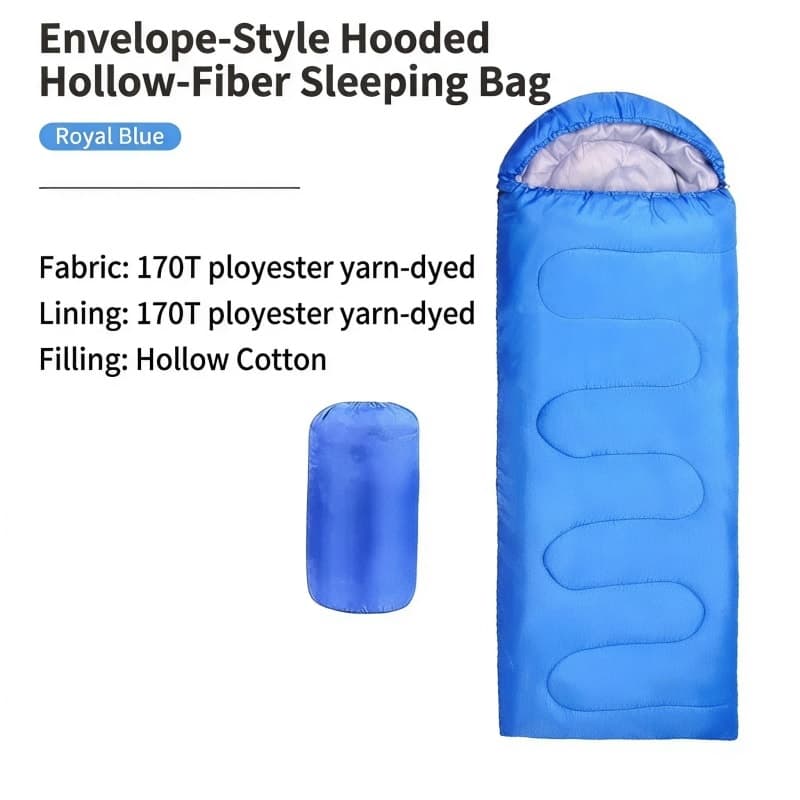
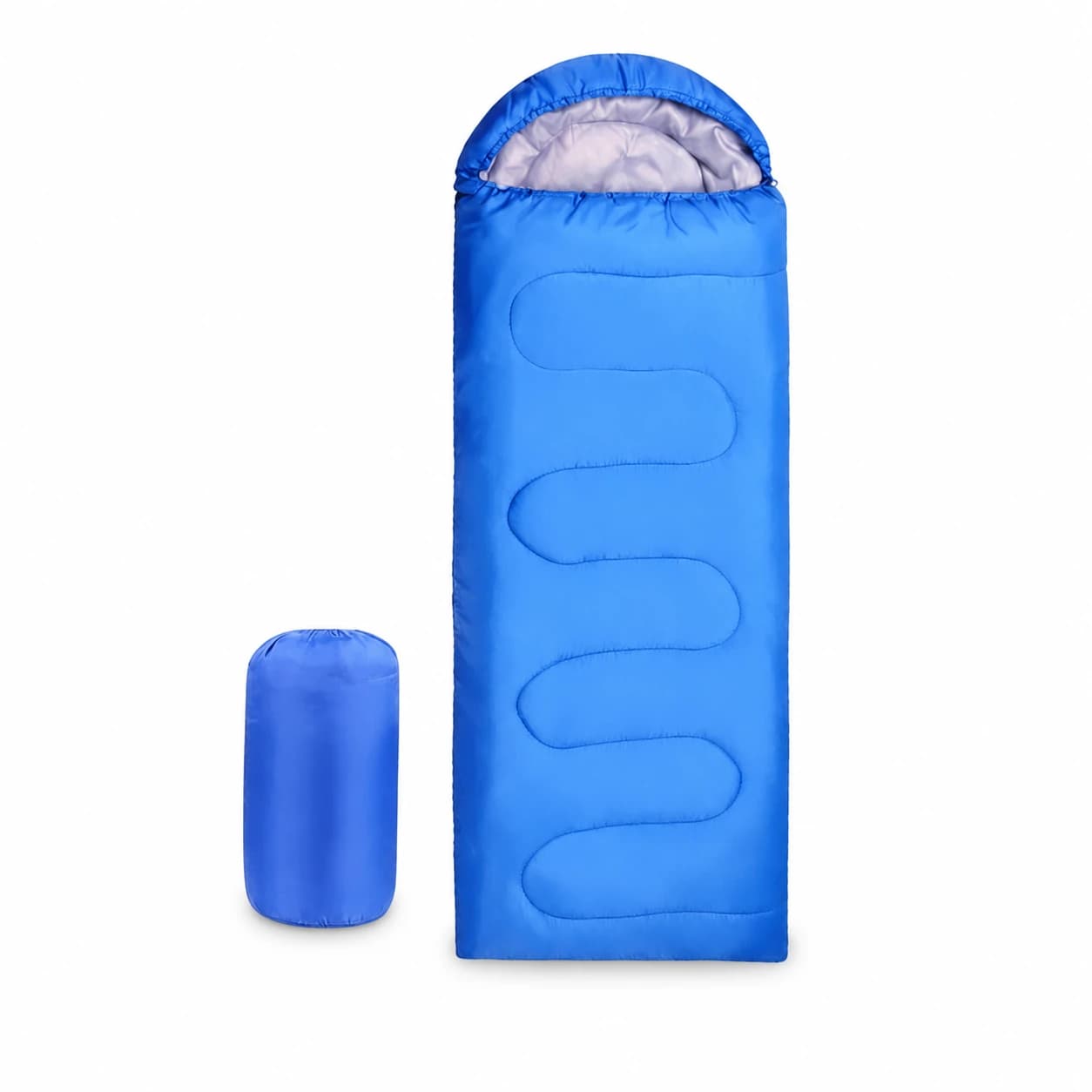
This sleeping bag combines an envelope shape and drawstring hood with 170T polyester outer and lining fabric. The listed fill is hollow cotton fiber, and a compression sack is included. Keep the fabric designation separate from insulation performance: the record does not publish a comfort-temperature value. A retail size or season claim should therefore come from the selected bag’s confirmed measurements and rating documentation.
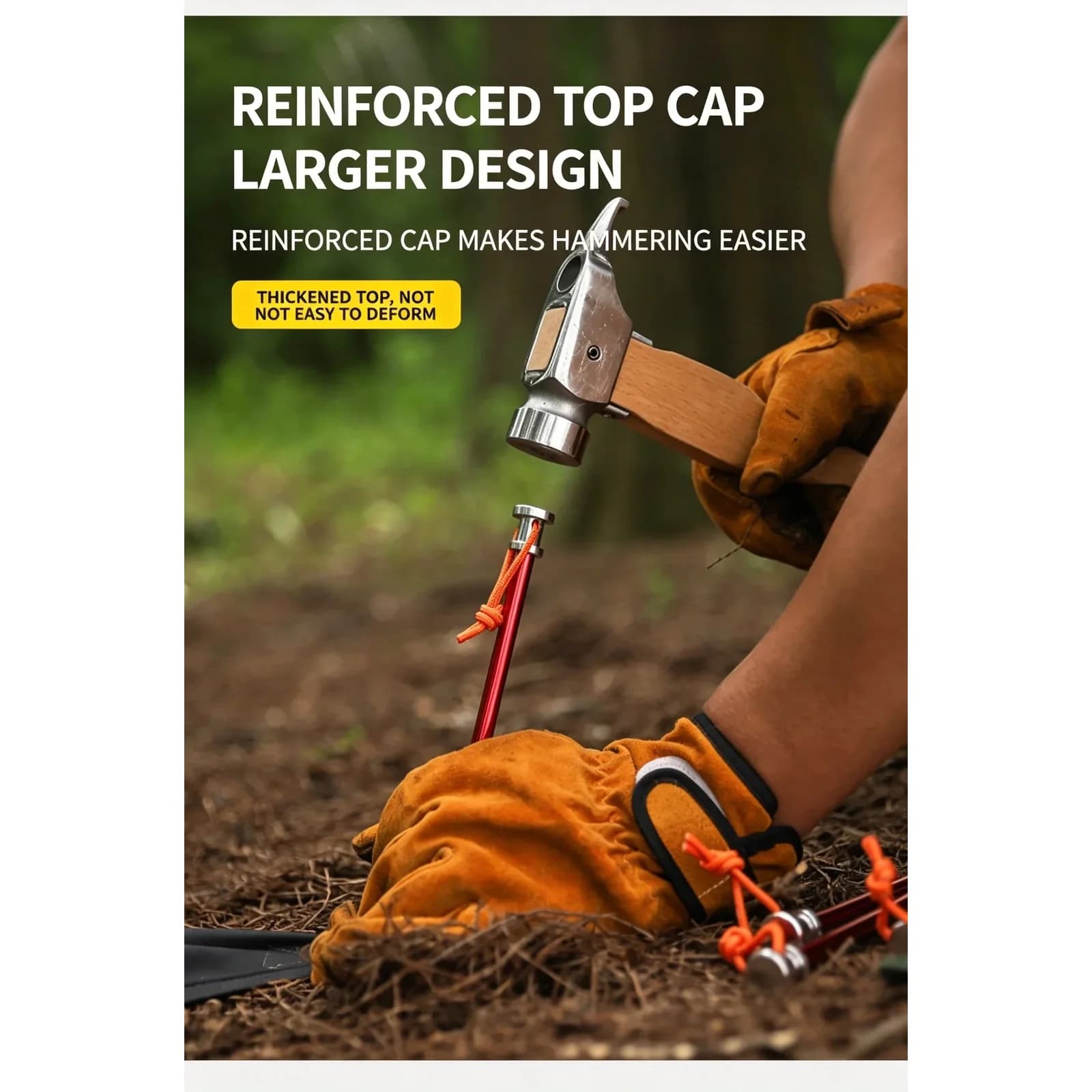
The stake is listed at 1.7 × 23 cm and 33 g each, in red or green aluminium alloy. The word each matters when planning a retail pack: the published weight is not the weight of an unspecified multi-pack. Decide the intended pieces per pack separately. Soil suitability and holding performance need an installation context; they cannot be read from the colour or alloy description.
| Product reference | Catalog specifications |
|---|---|
| Flocked Inflatable Travel Mattress | Five Sizes |
|
| Envelope Sleeping Bag with Hood | 170T Polyester |
|
| Aluminium Alloy Tent Stakes | 23 cm Lightweight Camping Pegs |
|
Keep one specification sheet for each shortlisted version. Put the product URL, size, colour and dated photographs at the top, then distinguish published facts from requested changes. If the brief combines a tent, a cooking item and clothing, give each its own line and quantity. Their dimensions, materials and accessories describe different things and should not be merged into a single specification. For example, a tent’s packed length is a storage measurement, a kettle’s external dimensions do not state its usable capacity, and backpack litres do not describe torso fit. When a field is absent, leave it marked for confirmation instead of borrowing a value from a visually similar item. Before comparing quotations, check that they refer to the same version and supply scope. Record any substitutions explicitly, including the affected component, colour or packaging. This makes later sample review more useful: the reviewer can compare an identified item against a written requirement instead of trying to reconstruct a decision from a photo and a price.
Keep sleeping equipment and campsite accessories in clearly named order lines. A sleeping bag, inflatable mattress, peg and guyline solve different problems, even when sold in one outdoor range. Define what the customer receives with each item and which components are separate. For a sleep product, list the intended space, packed format and included items. For an anchoring accessory, record its stated dimensions, construction and quantity basis. Do not turn the number of accessories visible in a photograph into a pack quantity. A sample checklist should identify each component by name so missing pieces can be discussed before a bulk quotation is accepted.
All five mattress references have a listed height of 22 cm, but their widths differ from 73 to 183 cm. The Queen and King references are also longer at 203 cm, versus 191 cm for the first three. Match the code YW24565–YW24569 to the chosen dimensions. The contents list includes a repair patch and instructions; a pump is not named in that list.
This sleeping bag combines an envelope shape and drawstring hood with 170T polyester outer and lining fabric. The listed fill is hollow cotton fiber, and a compression sack is included. Keep the fabric designation separate from insulation performance: the record does not publish a comfort-temperature value. A retail size or season claim should therefore come from the selected bag’s confirmed measurements and rating documentation.
The stake is listed at 1.7 × 23 cm and 33 g each, in red or green aluminium alloy. The word each matters when planning a retail pack: the published weight is not the weight of an unspecified multi-pack. Decide the intended pieces per pack separately. Soil suitability and holding performance need an installation context; they cannot be read from the colour or alloy description.
Keep one specification sheet for each shortlisted version. Put the product URL, size, colour and dated photographs at the top, then distinguish published facts from requested changes. If the brief combines a tent, a cooking item and clothing, give each its own line and quantity. Their dimensions, materials and accessories describe different things and should not be merged into a single specification. For example, a tent’s packed length is a storage measurement, a kettle’s external dimensions do not state its usable capacity, and backpack litres do not describe torso fit. When a field is absent, leave it marked for confirmation instead of borrowing a value from a visually similar item. Before comparing quotations, check that they refer to the same version and supply scope. Record any substitutions explicitly, including the affected component, colour or packaging. This makes later sample review more useful: the reviewer can compare an identified item against a written requirement instead of trying to reconstruct a decision from a photo and a price.
Send the product reference, intended use, target market, estimated quantity and required specification.