
From Sample to Bulk: A Product Sampling & QC Workflow
A practical B2B workflow for turning a product sample into a controlled bulk order: approve the reference, define checks, inspect production and document release decisions.
Direct answer: a sample is only useful when it becomes a controlled reference
The common mistake is treating sample approval as a single yes-or-no email. A production- ready approval should identify what was approved and how it will be checked later. Start with the product reference, then capture the construction, materials, dimensions, colour, accessories, labels and packaging assumptions. The sample is the visual reference; the specification sheet and inspection checklist make that reference measurable.
This is a buyer-side workflow, not a promise that every product needs the same test plan. A tent, lantern, sleeping bag or cookware set has different critical features. For the wider concept-to-production sequence, see our OEM/ODM development workflow.
Gate 1: approve the reference sample
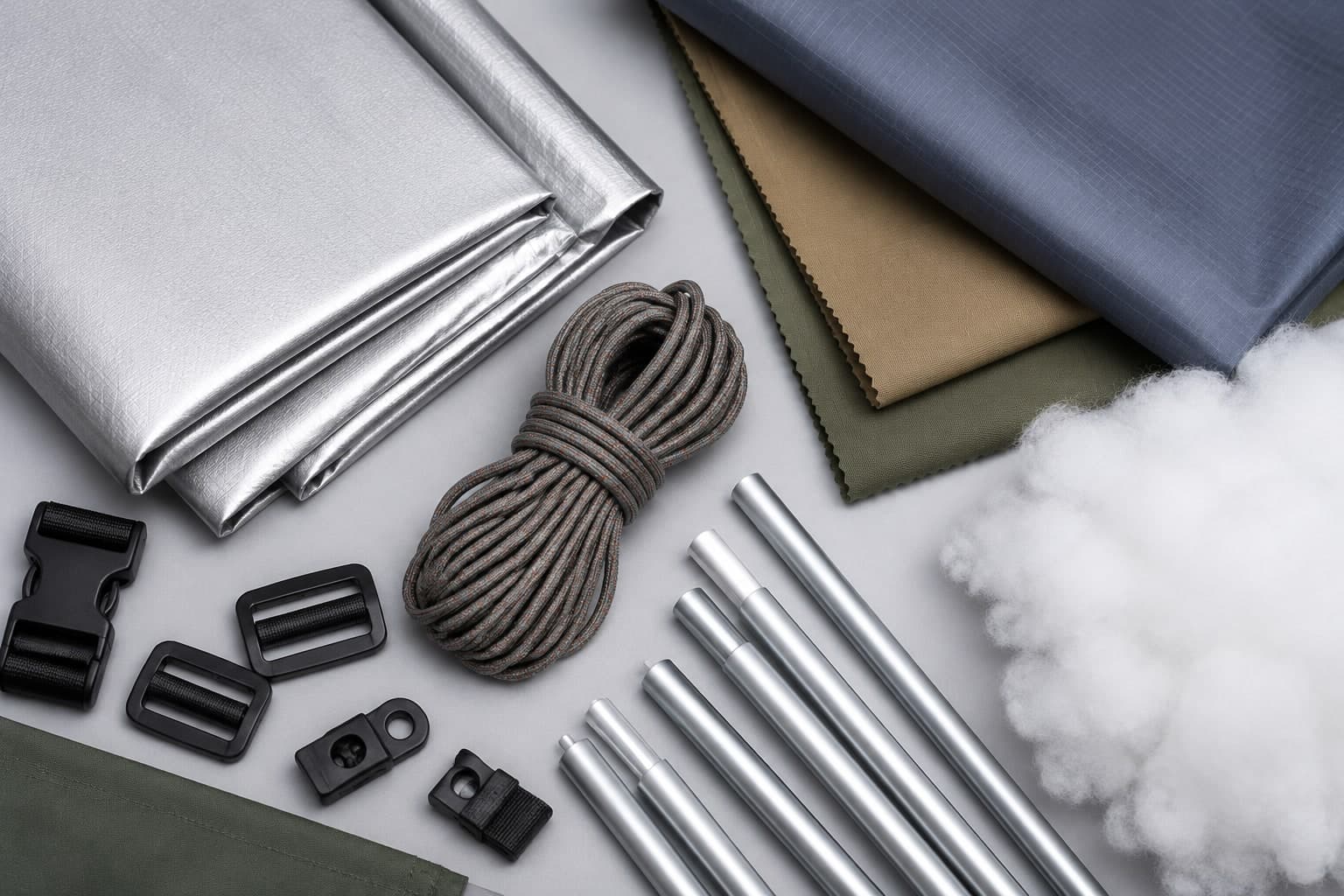
Label the approved sample with a reference and date. Save the product photographs, marked-up drawings and any measurement notes beside the quotation. Check the features that affect use and resale first: fit, opening and closing action, seams, edges, fasteners, colour, included parts and the way the item is packed. If a feature is intentionally flexible, say so instead of leaving the supplier to infer it.
| Record | Buyer check | Evidence to keep |
|---|---|---|
| Product identity | SKU, version, colour and size | Dated sample photos and reference code |
| Construction | Materials, seams, hardware and moving parts | Specification sheet or marked-up drawing |
| Included parts | Accessories, manuals, labels and protective pieces | Packed sample checklist |
| Presentation | Retail pack, carton marks and image-facing surfaces | Approved artwork or packaging photos |
| Critical features | The features that could make the item unusable or unsellable | Inspection point with pass/fail wording |
Gate 2: turn approval into a QC brief
A short QC brief is more useful than a long list of vague adjectives. Write checks as an observable result: “zipper opens and closes through the full track,” “all listed accessories are present,” or “carton label matches the approved shipping mark.” Add the measurement, tolerance or reference photograph when one is necessary. Separate critical, major and minor defects according to the product and market; do not copy an AQL number without defining what it means for this order.
- Appearance: colour, finish, print, stains, scratches and symmetry.
- Dimensions: length, width, height, weight or packed size where relevant.
- Function: opening, inflation, fastening, light, fit or other stated use.
- Completeness: accessories, labels, manuals, inner packs and cartons.
- Safety or compliance: only the tests and documents required for the exact product and market.
Gate 3: check production at the right time
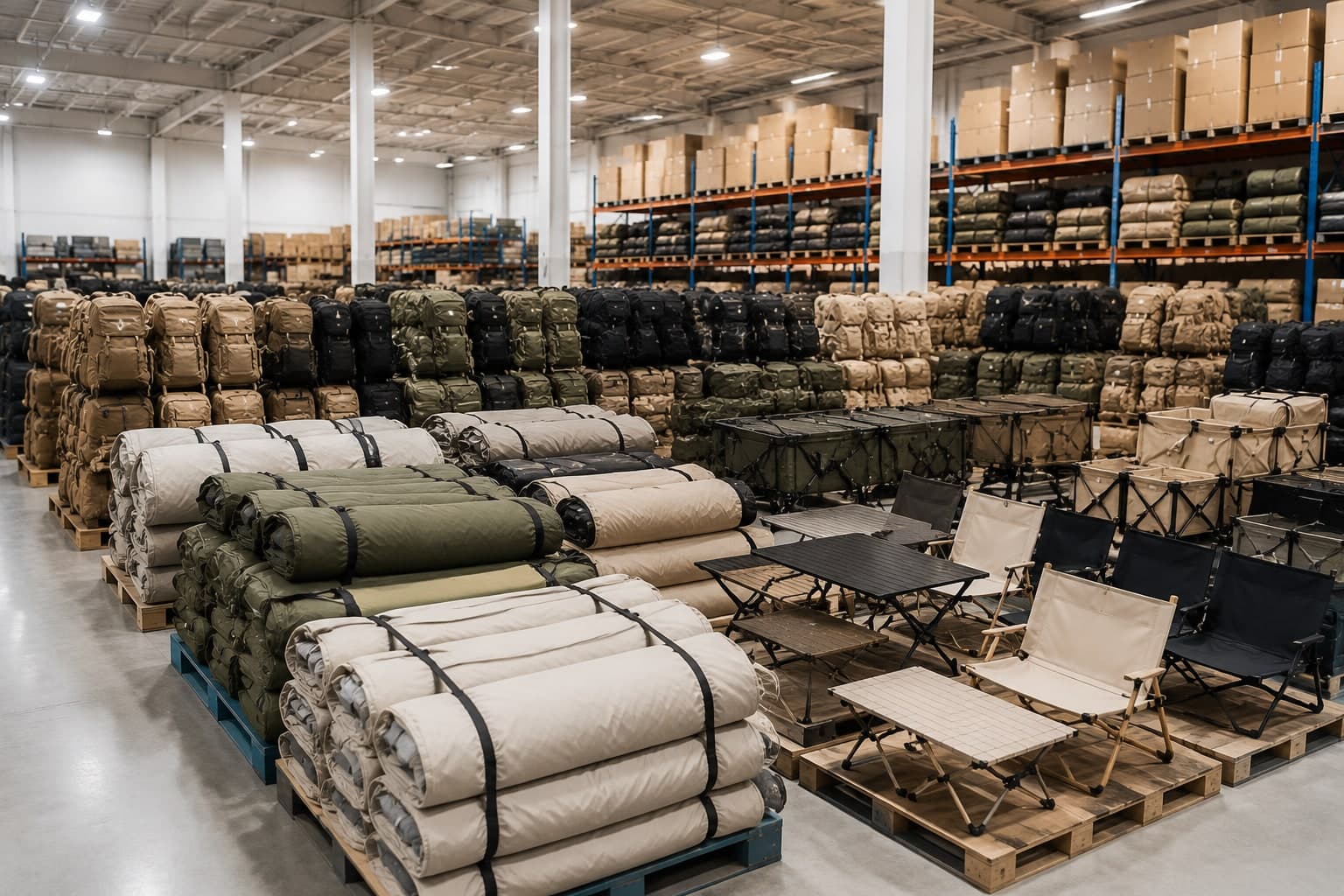
Timing changes what an inspection can tell you. A first-unit review can catch a tooling or assembly error before it repeats. An in-line check can reveal a material, colour or process drift while there is still time to correct it. A final lot inspection checks the finished goods, packaging and quantity before shipment. The checkpoints should be agreed in the purchase and quality brief, not improvised after a problem appears.
- 1Define the referenceApprove the sample, specification, images, accessories and packaging assumptions.
- 2Set the checksWrite observable checks, measurements, defect classes and the evidence required.
- 3Review first unitsCatch tooling, assembly or material problems before they repeat through the lot.
- 4Inspect the lotSelect the agreed sample, record findings and compare them with the approved reference.
- 5Release or correctDocument the decision, corrective action and any re-inspection before shipment.
Gate 4: use AQL carefully
ISO 2859-1:2026 describes lot-by-lot acceptance sampling by attributes. In practical terms, the defined lot, inspection level and agreed acceptance criteria determine the sample and the accept/reject rule. It is a consistent decision framework, not a statement that the lot has a guaranteed defect percentage. Read the current standard at ISO and put the chosen plan in the order documents.
AQL is not a substitute for a test that the product or destination market specifically needs. Safety-critical features, chemical limits, electrical performance or regulatory evidence may require dedicated testing or documentation. The QC brief should say which evidence is needed and who reviews it.
Gate 5: document release or correction
Close the loop with a dated record: lot or carton reference, inspection date, sample size, findings by defect class, photos, missing documents and the agreed action. If the result is not acceptable, separate rework from re-inspection and record who approved the next step. A clear record protects both sides from arguing about a different sample or a changed standard.
When the brief, sample and report are ready, send the product reference, estimated quantity, target market and requested checks through our OEM and sourcing enquiry page. We can then confirm which specifications and quality documents apply to the requested product instead of assuming a universal process.
Frequently Asked Questions
What should a product sample approval include?
Record the exact product reference, dimensions, materials, colours, accessories, labels, packaging assumptions and the photographs or drawings used for approval. If a feature is not written down, it is difficult to verify consistently during bulk production.
When should a buyer inspect bulk production?
Use more than one checkpoint when the order risk justifies it: review the first production units, check during production for repeatable issues, and inspect the defined lot before shipment. The right checkpoints depend on the product, order and agreed quality brief.
Does AQL mean that a shipment is defect-free?
No. AQL is an acceptance-sampling framework. ISO 2859-1:2026 uses lot size, inspection level and agreed acceptance criteria to select a sample and decision rule; it does not promise zero defects or replace safety, regulatory or functional testing.
What happens if an inspection does not meet the agreed criteria?
Record the defect evidence, separate confirmed issues from questions, request a corrective-action decision and agree whether to rework, re-inspect or hold the lot. Do not change the acceptance rule after seeing the result without documenting the change.
Discuss a Sample and Production Brief
Ready to move from research to a quotation? Send us your specification and target market — our team comes back with MOQ, lead time and pricing.