How to Vet a Chinese Manufacturer: Due-Diligence Checklist
A practical checklist for vetting a Chinese manufacturer: verify legal identity, classify factory capability, approve product evidence and control the quotation before ordering.
Direct answer: verify identity, role, capability and evidence in that order
A manufacturer is not vetted because a profile says “factory”, a photo looks large or a certificate is shown without scope and date. Start with the legal entity and payment beneficiary, then map what the supplier actually makes, what it subcontracts and what evidence supports the requested product. Finish with a sample, written specification and commercial review.
This checklist is designed for a buyer preparing a real quotation. It does not confirm any supplier, customer, certification, factory capacity, price, MOQ or delivery promise. For the next step, compare it with our sampling and QC workflow and OEM/ODM development workflow.
1. Verify the legal identity and payment path
- Record the exact legal name, registered address, Unified Social Credit Code or available licence details and the date checked.
- Match that identity to the quotation, contract, pro forma invoice and beneficiary account. Do not treat a personal or unrelated account as a routine change.
- Ask who owns the product specification, who signs the contract and who is responsible when a process is subcontracted.
- Save the evidence and the source used. Registry information and supplier details can change, so a dated check is more useful than a screenshot with no context.
2. Check the capability that matters for the product
“Factory” is not a capability statement. Ask for the process steps relevant to the actual product, the materials and components that are controlled, the equipment or workstations used, the quality checkpoints, and any subcontracted step. If the supplier is a trading company, document the manufacturing partner and who controls changes, inspection and corrective action.
| Area | Question | Evidence to request |
|---|---|---|
| Identity | Who is the contracting and receiving entity? | Dated legal-name and beneficiary match |
| Process | Which steps are performed directly and which are subcontracted? | Process map, named responsible party and limits |
| Product | Can the supplier make this exact configuration? | Complete sample, specification review and product photos |
| Quality | Where are defects found and recorded? | Product-specific checkpoints, records or agreed inspection plan |
| Commercial | What assumptions drive the quotation? | Pro forma invoice, quantity, packaging, delivery rule and open points |
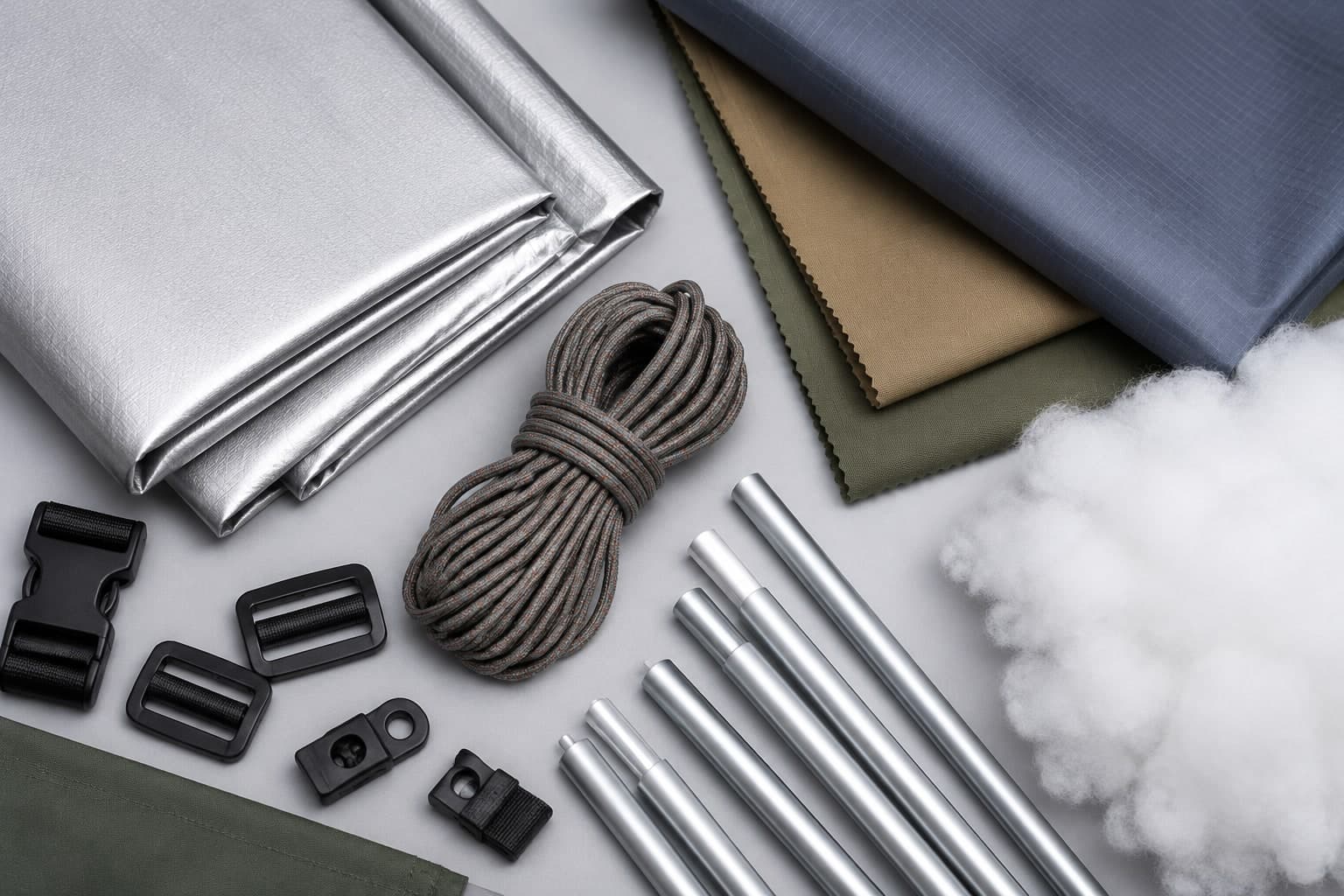
3. Review the sample and product evidence
Use a complete sample or another defined evidence gate for the decision you need to make. Record the reference, dimensions, materials, colours, accessories, labels, packaging assumptions and any unresolved difference. Product photos can support a conversation, but they do not prove a current production run, safety result or future performance.
If the order is customised, ask how artwork, tooling, material substitutions and changes are approved. Link the approved reference to the MOQ and quotation discussion so a low first quantity does not hide an untested configuration.
4. Control the quotation before ordering
| Field | Why it matters | Buyer action |
|---|---|---|
| Product and version | Prevents “same as sample” ambiguity | Attach the approved reference and revision |
| Quantity and packaging | Affects production and freight assumptions | State units, cartons, labels and marks |
| Payment and beneficiary | Controls who receives funds and when | Match the verified entity and written milestones |
| Delivery rule and place | Separates logistics responsibility from payment | Name the Incoterm version and place |
| Open points | Shows what is not yet confirmed | Do not treat unknowns as included promises |
Use the OEM/ODM sourcing enquiry to send a product reference, target market, estimated quantity, packaging needs and the evidence you want reviewed. This creates a cleaner starting point than a generic request for “best price”.
Vetting workflow
- 1Define the productWrite the configuration, market, quantity, packaging and evidence needed for the decision.
- 2Verify the entityMatch legal name, address, registry details, contract, invoice and beneficiary.
- 3Map the roleSeparate direct process, subcontracting, trading activity and responsibility for changes.
- 4Review evidenceCheck a complete sample, product-specific process questions and quality checkpoints.
- 5Record the decisionList confirmed facts, open points, commercial assumptions and the next approval gate.
Need help framing a supplier brief? Send the product and due-diligence questions; we will respond to the information actually provided rather than inventing a factory claim.
Frequently Asked Questions
How do I verify a Chinese manufacturer's legal identity?
Match the current legal name, Unified Social Credit Code or licence details, address, contract, invoice and bank beneficiary. Use an official registry or a qualified local verification service where available, and document the date checked.
How can I tell whether a supplier is a factory or trading company?
Ask which processes and products the supplier performs directly, which are subcontracted, and whose name appears on the contract and invoice. A trading company can be workable when the role, controls and responsible party are clear.
What should a factory audit prove?
It should answer the product-specific questions: relevant process, equipment, people or subcontractors, material flow, quality checkpoints, traceability and the limits of what was observed. Photos alone do not prove current capacity.
Should I order a sample before a bulk order?
For a product-specific decision, a complete sample or defined evidence gate is usually more useful than relying on catalogue images. Record the approved reference, dimensions, materials, accessories, packaging and any open points.
What payment red flags should stop a buyer?
Pause when the beneficiary does not match the verified legal entity, bank details change unexpectedly, the supplier pressures you to bypass written terms, the pro forma invoice is incomplete, or the supplier refuses to explain who makes the product.
Discuss an OEM/ODM Supplier Brief
Ready to move from research to a quotation? Send us your specification and target market — our team comes back with MOQ, lead time and pricing.