Quick answer: conformity plus chemicals, by market
Outdoor-gear certification has two layers. The first is product conformity — the safety marking a market requires before a product can be sold there, which is CPSC/CPSIA in the US, CE under GPSR in the EU, and UKCA in the UK. The second is chemical compliance — REACH and Prop 65 — which applies to the materials regardless of category. You need both, the exact requirements depend on the specific product, and the time to establish them is before tooling, because a gap discovered at the border cannot be fixed retroactively.

Why certification gates import
A product that fails a mandatory requirement cannot clear customs, so certification is not paperwork to leave until last — it is a gate on the whole order. The cost of getting it wrong is asymmetric: confirmed early, it is a line item and a lead-time input; discovered late, it is a re-tool, a reworked run and a missed selling season. Treating it as a design input from the first stage of the development workflow is what keeps it cheap.
Requirements by market
| Market | Conformity route | Also applies |
|---|---|---|
| United States | CPSC / CPSIA; CPAI-84 for tents | Prop 65 (California) |
| European Union | CE under GPSR; EN 581 for camping furniture | REACH, WEEE where electronic |
| United Kingdom | UKCA marking | UK REACH-equivalent rules |
These are the routes, not a substitute for a per-product determination. The same tent, sleeping bag or chair can pull in different standards depending on its materials and claims, which is why the workflow below ends with a written confirmation rather than an assumption.
Requirements by product category
Within outdoor gear, the specific tests track the category:
| Category | Primary focus | Watch for |
|---|---|---|
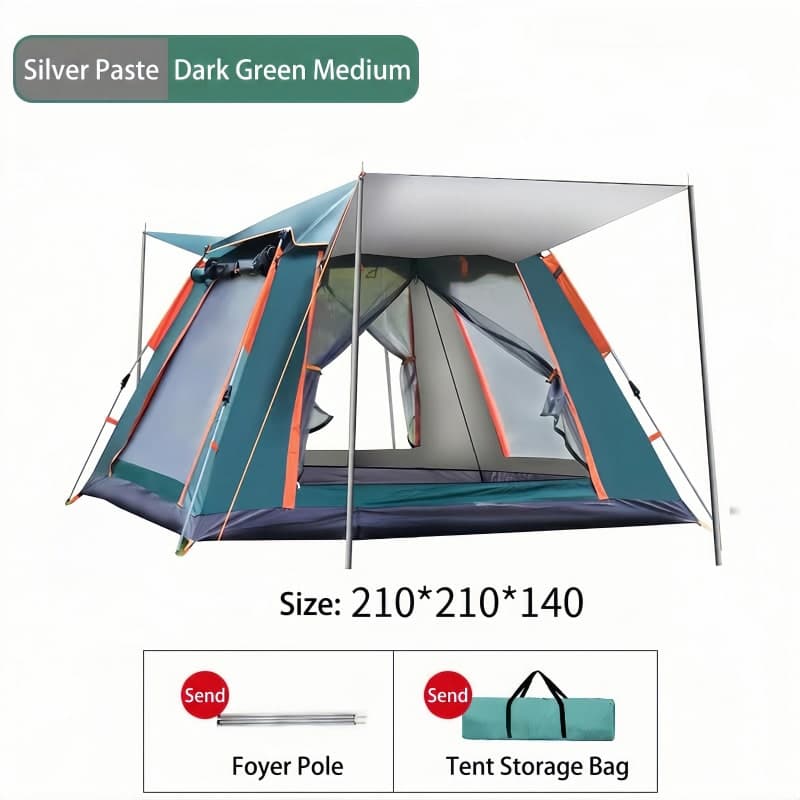
| Tents | CPAI-84 flame retardancy (US) | Often missed under a general safety assumption |
| Camping furniture | EN 581 (EU), structural/load safety | Weight ratings and stability claims |
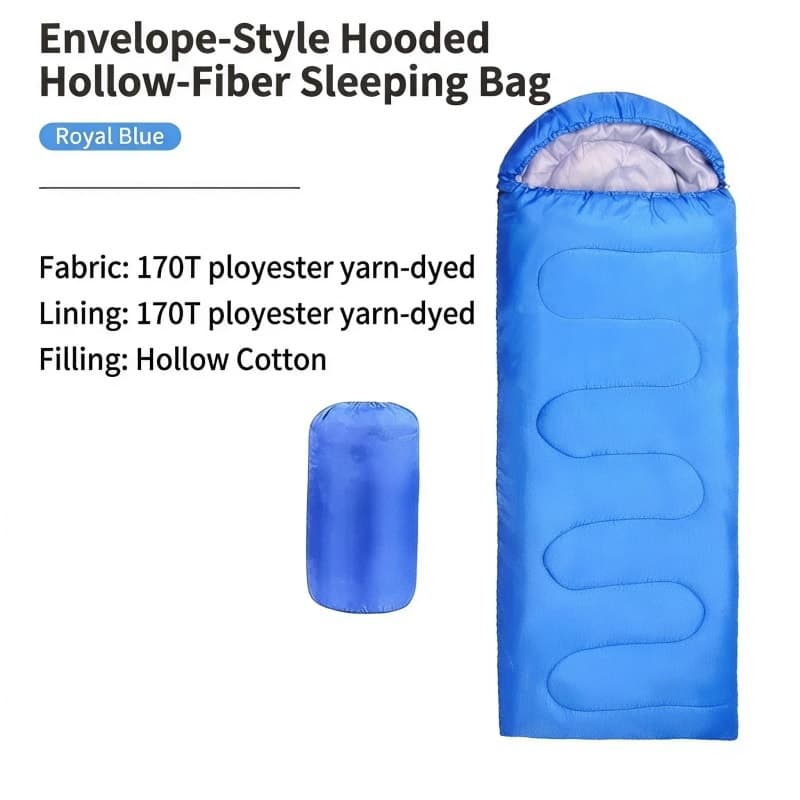
| Sleeping bags & textiles | Flammability, REACH on dyes/coatings | PFC-free and azo-dye limits |
| Backpacks & gear | Chemical (REACH, Prop 65) | Coatings, zips, buckles, small parts |
For the tent-specific detail and how it fits a sourcing decision, see our wholesale camping tents buyer’s guide. Products with electronics — a lit or powered item — pull in radio and electrical rules too; our smart-device buyer’s guide covers that side.

Chemical rules that apply to everything
Two chemical regimes cut across every category and catch importers who focused only on the product-safety mark:
- REACH (EU and UK). Restricts substances of concern in the materials — dyes, coatings, plasticisers, treated fabrics. It applies to the textile and the hardware, not just the assembled product.
- California Prop 65 (US). Requires warnings for listed chemicals and is enforced aggressively through private litigation, so it functions as a de-facto national requirement for anything that might reach California. Coatings, PVC and certain metals are the usual triggers.
The practical implication is to specify compliant materials from the start — PFC-free coatings, compliant dyes — rather than testing a finished product and discovering a material problem you now have to re-source.
The certification workflow
Run certification as a defined sequence that closes before tooling:
- 1Fix the marketsList every destination market up front — each adds its own conformity route.
- 2Map the requirementsDetermine the conformity marks and chemical rules for that product and those markets.
- 3Specify compliant materialsChoose PFC-free coatings and compliant dyes so materials do not fail late.
- 4Test to the pathwayRun the lab testing and build the technical file and reports.
- 5Confirm in writing before toolingLock the agreed pathway before cutting moulds, not after.
We arrange the product testing pathway per order against your destination market. Our factory operates to recognised quality and social-accountability management systems with formal certification currently in application, and certificates are published as they are issued — for the wider compliance picture see how we handle compliance.
Common mistakes to avoid
- Assuming one mark covers the product. Conformity and chemical rules are separate layers; you need both.
- Missing CPAI-84 on US tents. The most common gap, because a general safety assumption hides it.
- Assuming CE always works in the UK. UKCA is the durable route; confirm the current recognition position for your ship date.
- Testing the finished product before checking materials. A REACH or Prop 65 material failure means re-sourcing, not just re-labelling.
- Leaving certification until after tooling. A failed test then means a re-tool. Close the pathway first.
Key takeaways
- Outdoor certification is two layers: product conformity plus chemical compliance.
- US = CPSC/CPSIA (CPAI-84 for tents); EU = CE/GPSR (EN 581 for furniture); UK = UKCA.
- REACH and Prop 65 apply to materials across every category.
- Specify compliant materials from the start rather than testing a finished product blind.
- Confirm the pathway in writing before tooling — a gap stops goods at customs.
Frequently Asked Questions
What certifications does outdoor gear need to import into the US, EU and UK?
The US requires CPSC/CPSIA conformity, with CPAI-84 flame retardancy for tents specifically; the EU requires CE marking under GPSR general product safety, with EN 581 for camping furniture; and the UK requires UKCA. Across all three, chemical rules — REACH in the EU and UK, California's Prop 65 in the US — apply to the materials. The exact set depends on the product, so confirm it per item and market.
Do camping tents need CPAI-84 certification?
For the US market, tents commonly require CPAI-84 flame-retardancy compliance, administered through the CPSC/CPSIA framework, and many states reference it directly. It is one of the most frequently missed requirements because importers assume a general safety marking covers it. Confirm the CPAI-84 pathway for any tent bound for the United States before you commit to production.
Is CE marking enough to sell outdoor gear in the UK after Brexit?
Not on its own going forward. The UK introduced UKCA as its own conformity marking; while CE has been recognised during a transition, the durable answer for UK sales is UKCA. Because timelines and recognition have shifted, confirm the current position with your test lab for your ship date rather than assuming CE will always be accepted.
What is the difference between CE and GPSR?
CE is the conformity marking; GPSR — the EU's General Product Safety Regulation — is the overarching safety obligation that consumer products must meet, including requirements around traceability and a responsible person in the EU. For much outdoor gear there is no product-specific directive, so GPSR general safety plus applicable standards (like EN 581 for furniture) is the route, evidenced by the CE mark.
Who arranges certification — the importer or the factory?
It is shared, and it should be agreed in writing. The importer confirms the destination markets and is the legal placer of the product on that market; the factory arranges the laboratory testing pathway and provides the technical file and test reports. We arrange product testing per order against your target market; our management systems are in application, and certificates are published as they are issued.
How We Handle Compliance
Ready to move from research to a quotation? Send us your specification and target market — our team comes back with MOQ, lead time and pricing.