
Ferro Rod and Striker Specifications: A Buyer Checklist
Specify the rod, striker and pack contents separately before comparing outdoor fire starter samples or requesting a quote.
Catalogue reference for SKU 5. Confirm the offered revision and pack contents in writing.
Identify the parts before comparing measurements
The word fire starter can refer to a rod by itself, a rod mounted in a handle or a kit with a separate striker. Start your request with the catalogue reference, the offered configuration and the date on the supplier’s record. If a supplier proposes a different handle or striker, put the new configuration on its own line. That preserves what was actually reviewed when the sample or pack changes.
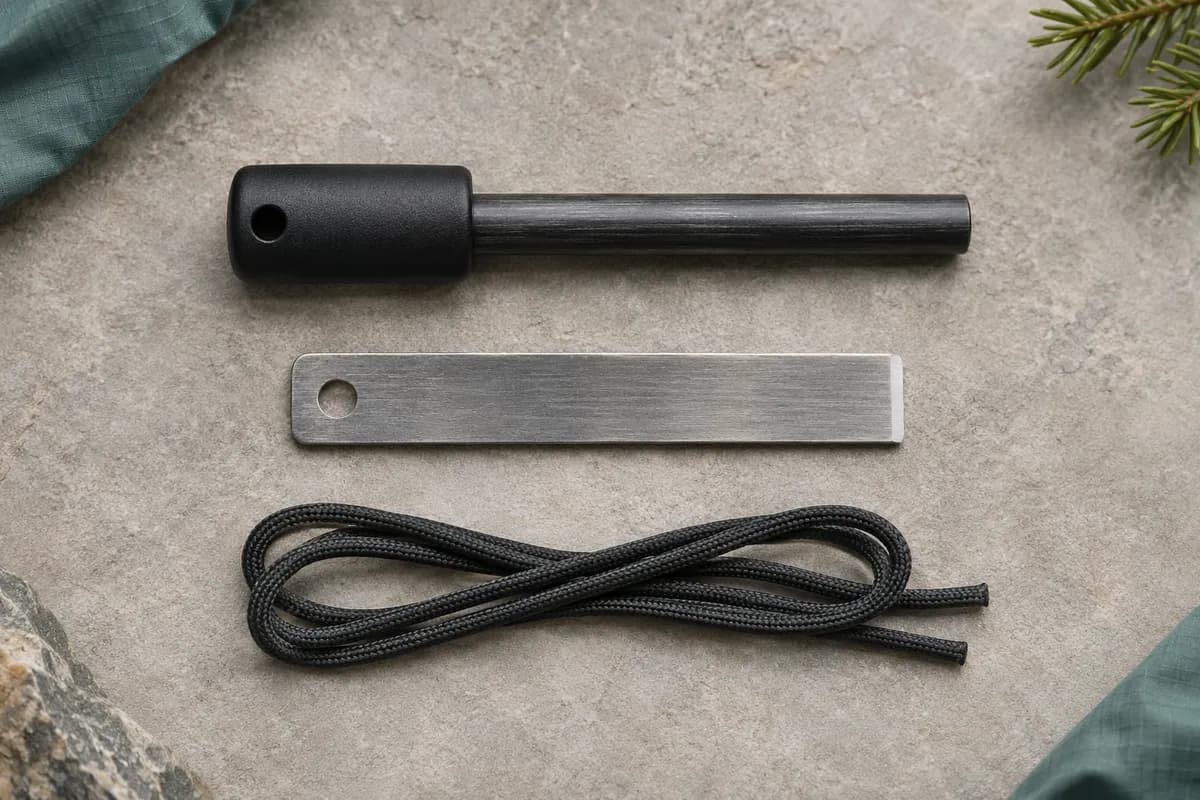
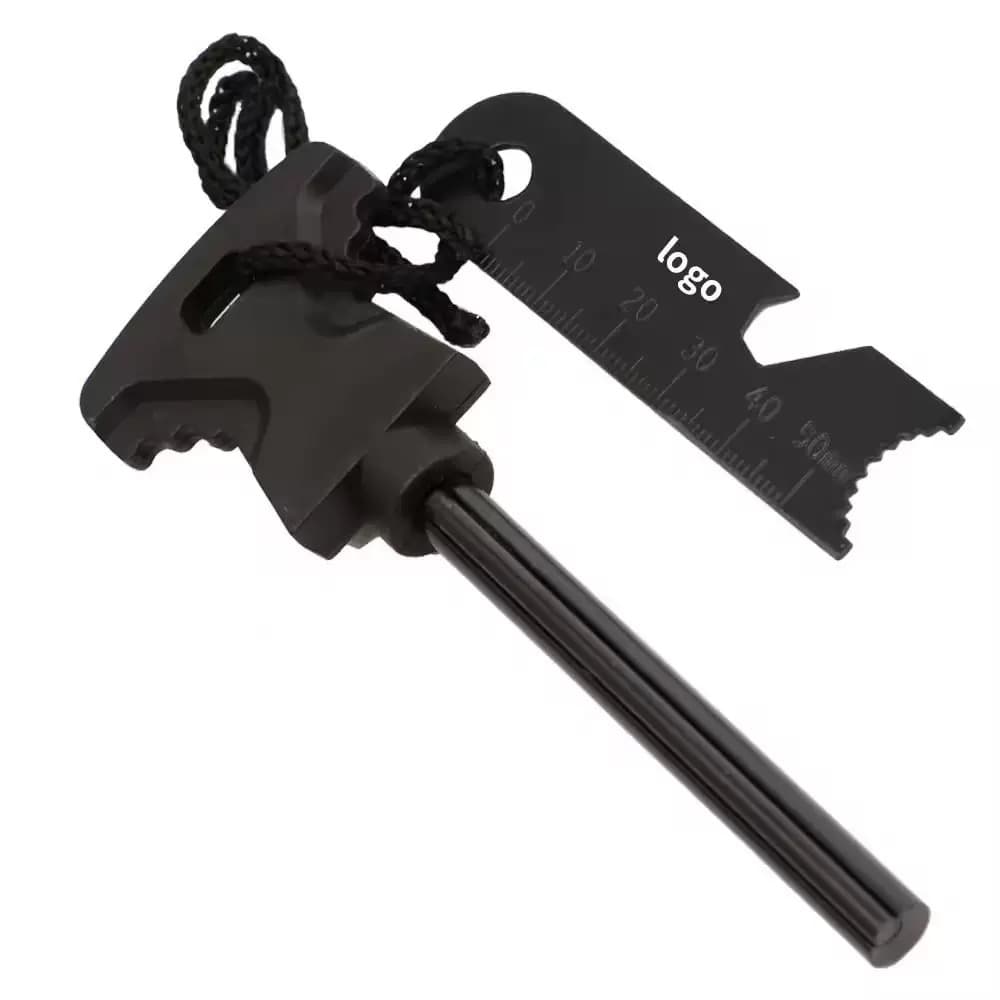
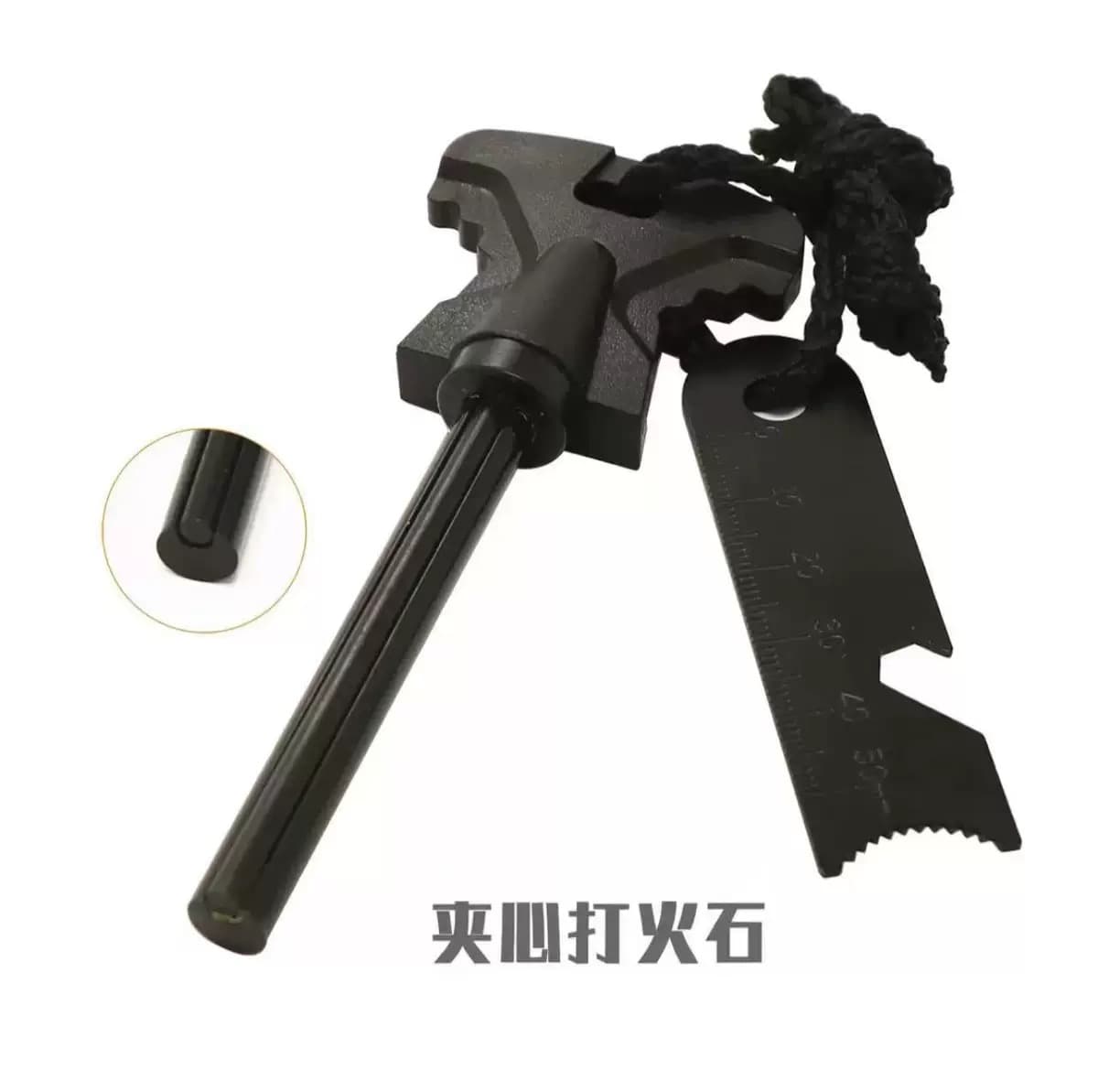
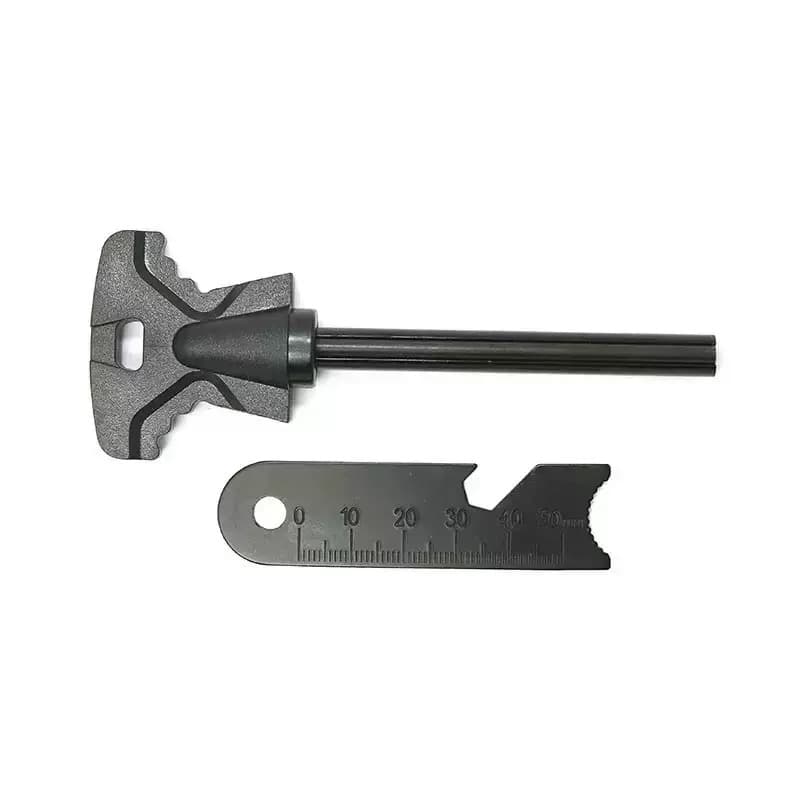
The Seawing catalogue describes SKU 5 as a ferrocerium rod with a separate multifunction striker and a lanyard. The striker description includes a scraper, ruler, bottle opener and wrench slots. Record those descriptions separately from the striker material, exposed rod length and rod diameter. A ruler feature in an image does not make the photograph a calibrated measurement.
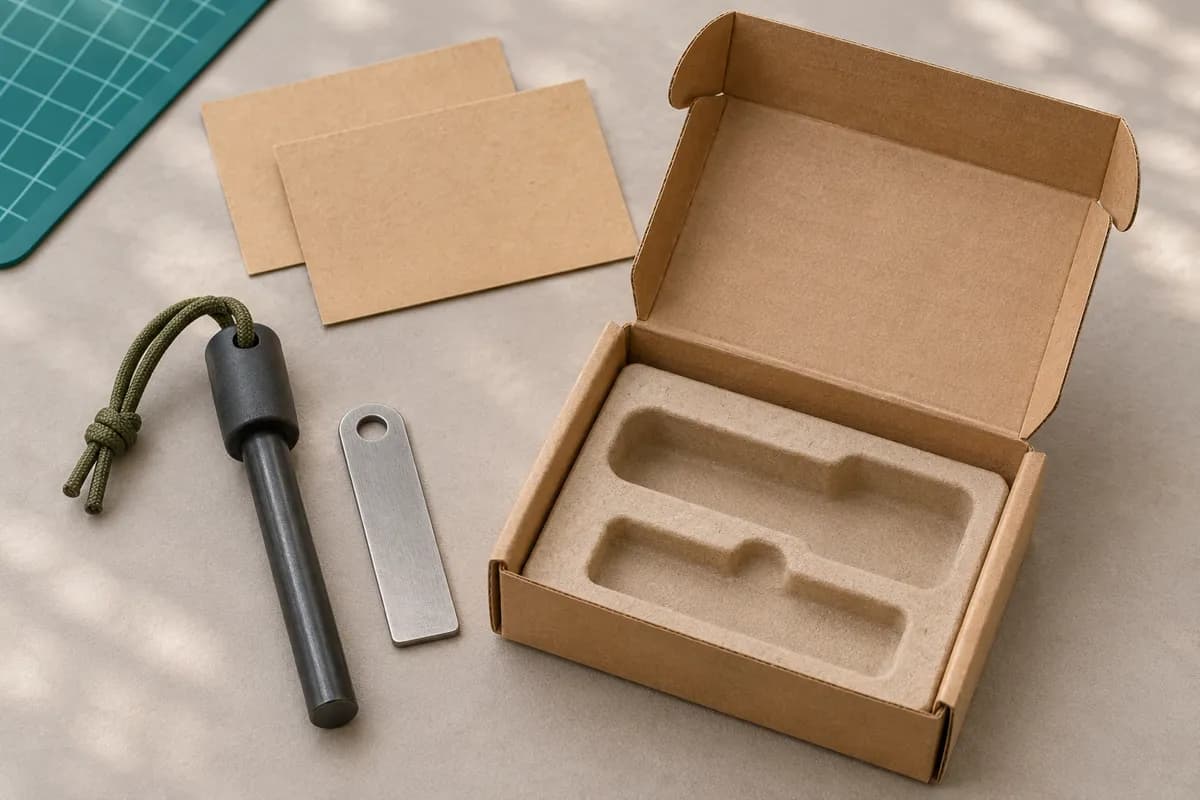
For a real example, enter SKU 5 under identity and transcribe the three catalogue components. Leave exposed length, diameter, striker material and final retail packaging open. Request a dimensioned drawing of the offered version and a photographed pack-out with a component list. If the drawing and pack-out refer to different revisions, return the line for clarification before using it for pricing or sample acceptance.
- Catalogue reference: SKU 5.
- Listed components: ferrocerium rod, multifunction striker and lanyard.
- Keep optional retail inserts, replacement parts and proposed branding in separate request fields.
Five fields for a comparable fire starter brief
Keep one row per exact configuration. Attach the drawing or photograph beside the field it supports.
| Field | Record | Evidence to request | Decision |
|---|---|---|---|
| Identity | SKU 5 and offered revision | Dated specification | Keep proposed changes separate |
| Rod geometry | Exposed length, diameter, overall length | Drawing with separate dimension arrows | Compare equivalent measurements |
| Striker | Component shape and listed functions | Material and edge detail for exact version | Check the proposed component |
| Contents | Rod, striker and lanyard listed | Pack-out and itemized list | Separate included and requested items |
| Performance | Buyer-defined claim and conditions | Applicable model-specific test evidence | Hold the claim pending review |
Three separate approval decisions
A drawing identifies which length and diameter are being compared.
The listed parts and the actual sample must refer to the same revision.
Any proposed lifetime or conditions claim requires evidence specific to the version.
Read the catalogue photographs by component
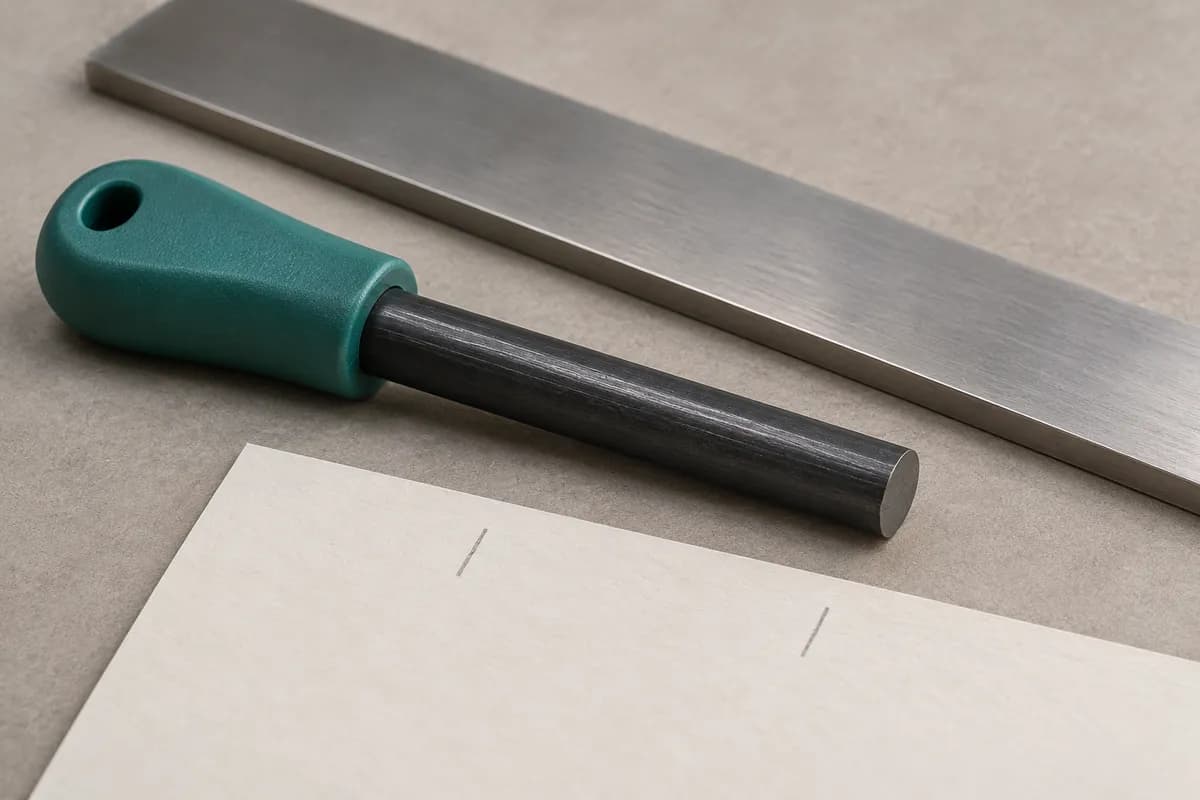
The catalogue views show how the rod and striker are presented. Use them to identify which detail needs a drawing, sample or pack list.
Turn SKU 5 into a sample review sheet
Carry the catalogue contents into the request, mark every unconfirmed value, and tie any new evidence to the date and revision on the offer.
| Line | Catalogue or buyer input | Review point |
|---|---|---|
| Product | SKU 5 | Same reference on the sample label |
| Configuration | Rod, striker, lanyard | Inspect the stated contents as three separate entries |
| Dimensions | Request exposed length and diameter | Units and measurement points shown |
| Packaging | Buyer supplies intended market and pack requirements | Photo and itemized list correspond to the offered pack |
| Approval | Log reference, revision and pending questions | Close only fields supported by evidence |
Five steps from catalogue to request
- 1Select the exact reference
- 2List the supplied and requested components
- 3Separate rod dimensions from overall dimensions
- 4Review the sample and documents by revision
- 5Send quantity, market and open questions
Use each source for its own scope
Exotac and UCO illustrate different ways to describe rod or tool measurements and kit details. Their model data belong to their products. For Seawing, use the SKU 5 record for the listed components and request exact-version evidence for any additional claim.
For destination-market documentation, start with the relevant authority and identify the version covered by the records. The EU Commission guidance provides a starting point for EU product safety questions. Land-use and fire restrictions are location-specific, as the BLM guidance illustrates.
Primary references
Review SKU 5 and request the exact kit details
Include the offered revision, quantity, intended market and the measurement or pack-out questions that still need an answer.
Frequently Asked Questions
Which measurements should a request separate?
Ask for exposed rod length, rod diameter and overall tool length, with units and measurement points.
Which components does SKU 5 list?
The catalogue lists a ferrocerium rod, a multifunction striker and a lanyard.
What evidence identifies the striker material?
Use a version-specific specification that names the material and links it to the supplied component.
Can a photo establish rod diameter?
Use the photo to identify the part. Request a dimensioned drawing or a measured sample for diameter.
How should a replacement or alternative striker be recorded?
Give the alternative its own configuration line and keep the original component requirement visible.
What belongs in a sample enquiry?
Include SKU, version, quantity, market, pack requirements and the documents or measurements you need to review.