
Fleece-Lined Outdoor Jackets: A Wholesale Buying Checklist
Compare shell and lining, garment weight, sample fit and size assortments. Build a wholesale buying brief around the Seawing fleece-lined outdoor jacket.
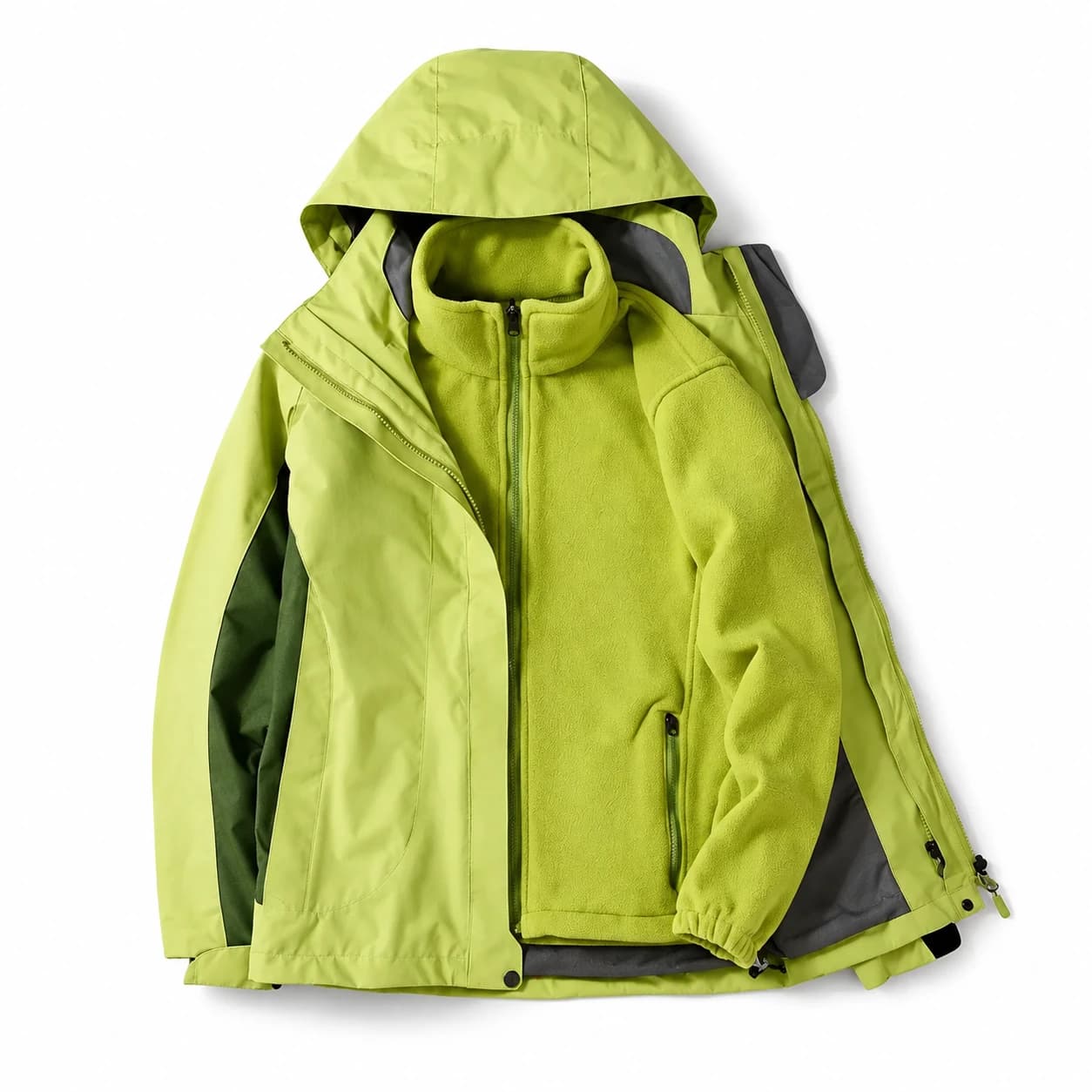
Catalogue photograph
Start with the jacket and the job it must do
For a travel or casual outdoor range, begin with how the jacket will be worn: as an everyday outer layer, over a light knit, or as part of a more layered outfit. Record the customer and intended underlayer before choosing a size label. A sample that closes over a T-shirt may give a different result over the clothing your customers actually wear.
Seawing fleece-lined outdoor jacket · SKU 36
SKU 36 is a casual travel and outdoor-layering reference with thick polar-fleece lining. Use its product page and photographs to identify the starting style, then attach your selected colour and version to the enquiry. The 400 g reference needs a reference size and weighing condition before it can support a like-for-like weight comparison. It does not establish fibre composition, fabric mass per area or weather protection.
Separate three material and weight records
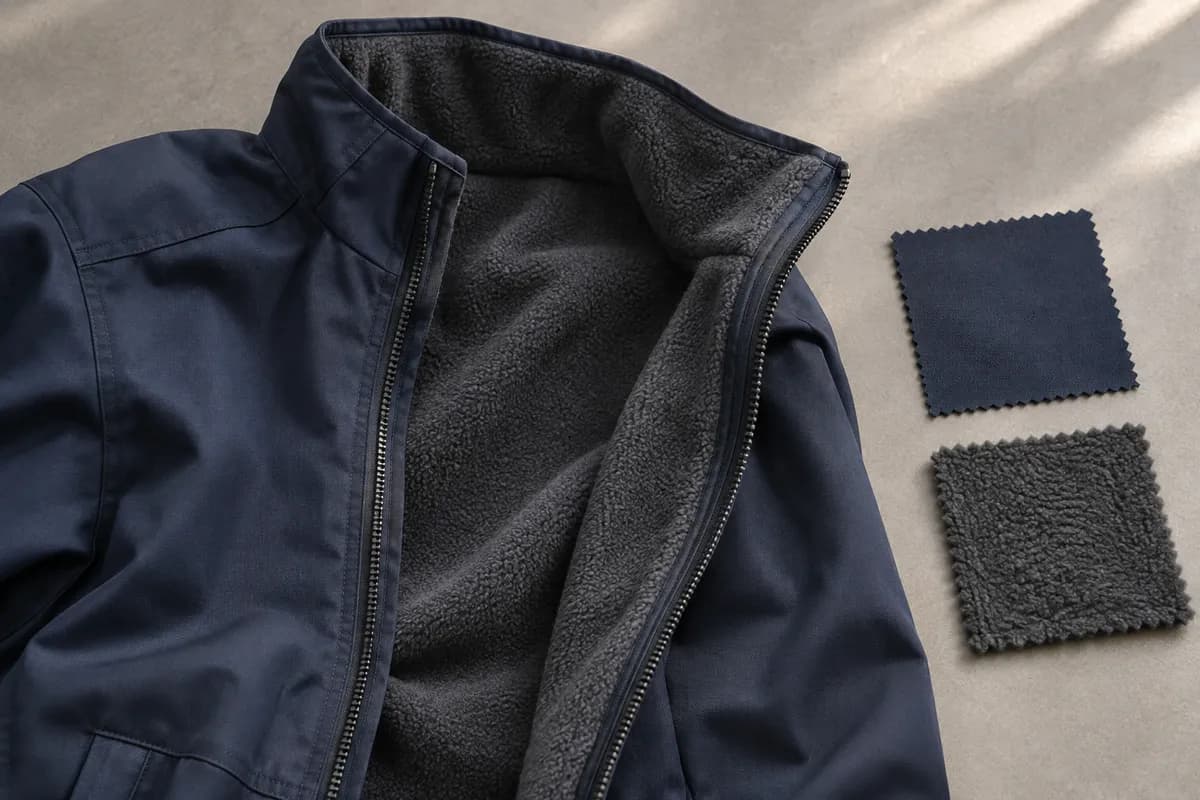
The shell is the visible outer fabric; the lining is the material against the clothing underneath. Describe each separately, including the part of the garment covered. A fleece-lined body does not by itself describe sleeve lining, a removable liner or a membrane. Ask for a construction view when those details affect the range you want to buy.
Grams describe the mass of an object. GSM describes grams per square metre of a particular fabric. A finished jacket also contains seams, closures, pockets and other components, so its weight cannot be converted into shell or lining GSM without separate material information. A heavier garment is not a controlled comparison of warmth. Keep the catalogue reference as a reference, then compare samples in the same size and condition.
| Record | Write in the brief | Avoid this shortcut |
|---|---|---|
| Outer shell | Fibre composition, construction and the nominated fabric reference | Assuming a fleece lining identifies the shell |
| Body and sleeve lining | Material, coverage and whether the layers are separate or joined | Treating all internal panels as the same material |
| Fabric mass per area | GSM for each relevant fabric, when supplied | Renaming a 400 g garment reference as 400 GSM |
| Finished-garment weight | Size, version, complete garment and weighing condition | Comparing different sizes or including a bag in one weight |
| Performance requirement | The use case, suitable evidence and agreed acceptance criteria | Inferring wind, rain or temperature ratings from appearance |
Identify the shell and each lining before comparing fabric specifications.
Review measurements and movement with the intended underlayer.
Use the accepted revision and a colour-by-size matrix for the quotation.
Use a sample to resolve fit and movement
Keep body measurements and garment measurements in different columns. A flat chest width is not the wearer's chest circumference. For a repeatable garment comparison, close the front, lay the jacket flat without stretching and mark the exact measurement endpoints in a sketch or photograph. Record the measurement unit and proposed tolerance with each point rather than relying on a size name alone.
Try the sample with the nominated underlayer. Reach forward, raise the arms, sit down and operate the zip and pockets. Note where the lining pulls or bunches and whether the closure catches loose pile. If a revision changes lining thickness or construction, repeat the fit review. REI's layering guide provides general context for underlayers; it is not a warmth or weather test of this jacket.
| Point | Define the measurement | Check in the sample |
|---|---|---|
| Chest | Flat width between specified underarm points | Closure and reach with the intended underlayer |
| Back length | From the agreed neck or shoulder point to the hem | Coverage when standing and sitting |
| Sleeve | State shoulder-seam or centre-back starting point | Cuff position with the arm bent |
| Shoulder and armhole | Show the endpoints and construction in a sketch | Movement without lifting or binding |
| Hem, cuff and collar | Record the relaxed state and adjustment method | Comfort and access to the closure |
Build a size, colour and sample handoff
A wholesale total is not a size assortment. Divide the proposed quantity by colour and size, show a subtotal for each colour and make sure the matrix adds up to the order total. Use your own sales history to choose that split; this guide does not prescribe a universal ratio. Ask which requested combinations can be quoted before turning a colour photograph into an availability promise.
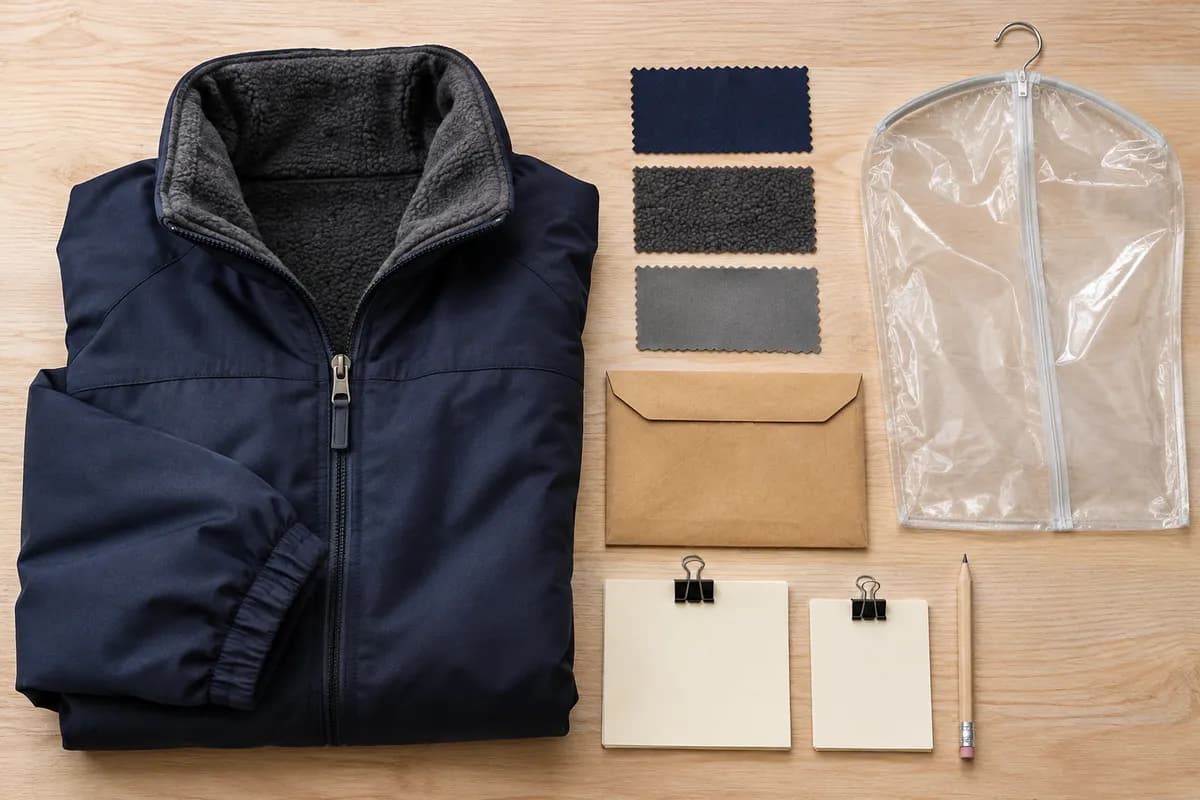
Give the sample a dated reference and record what it is intended to approve. A fit sample, a colour swatch and the final order reference answer different questions. If the sample uses a substitute material, note the substitution and limit the approval to the relevant feature. Keep revisions and open questions beside the latest measurement sheet so an old sample cannot silently become the bulk reference.
| RFQ field | Prepare before sending | Compare when replies arrive |
|---|---|---|
| Style and market | SKU 36, version, customer use and destination market | The same style and requested version in every offer |
| Materials | Shell, body lining and sleeve lining as separate fields | Actual composition and fabric references, not only fleece wording |
| Sizing and quantity | Measurement sketch plus a colour-by-size quantity matrix | Available size run, tolerances and any proposed substitutions |
| Sample purpose | Fit, colour, construction or final order reference | Which features and materials the sample represents |
| Labels and packaging | Artwork, destination language and sale-unit requirements | Included items, packaging dimensions and remaining approvals |
| Commercial terms | Requested quantity, destination and intended delivery window | Written sample and bulk terms, freight basis and validity |
A useful first enquiry using SKU 36
Use this starting text and add your own requirements: “We are evaluating SKU 36 for a casual travel range. The catalogue reference is thick polar-fleece lining and 400 g. Please identify the reference size, shell and lining composition, and available measurement sheet. Our attachment shows intended underlayer, requested colours, size quantities and destination market. We need a sample for fit and material comparison; please separate the sample offer from bulk terms.” This uses the existing reference without inventing a size run, MOQ or delivery commitment.
Use the product photographs to identify the style
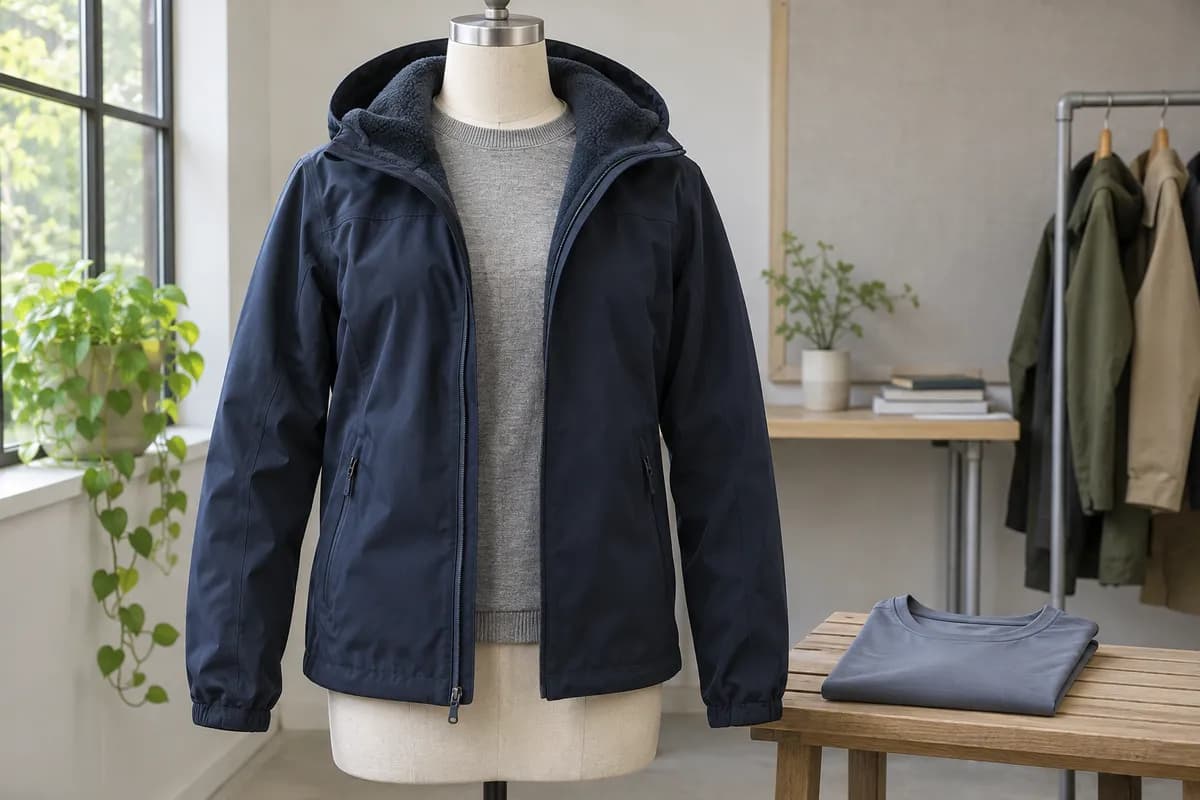
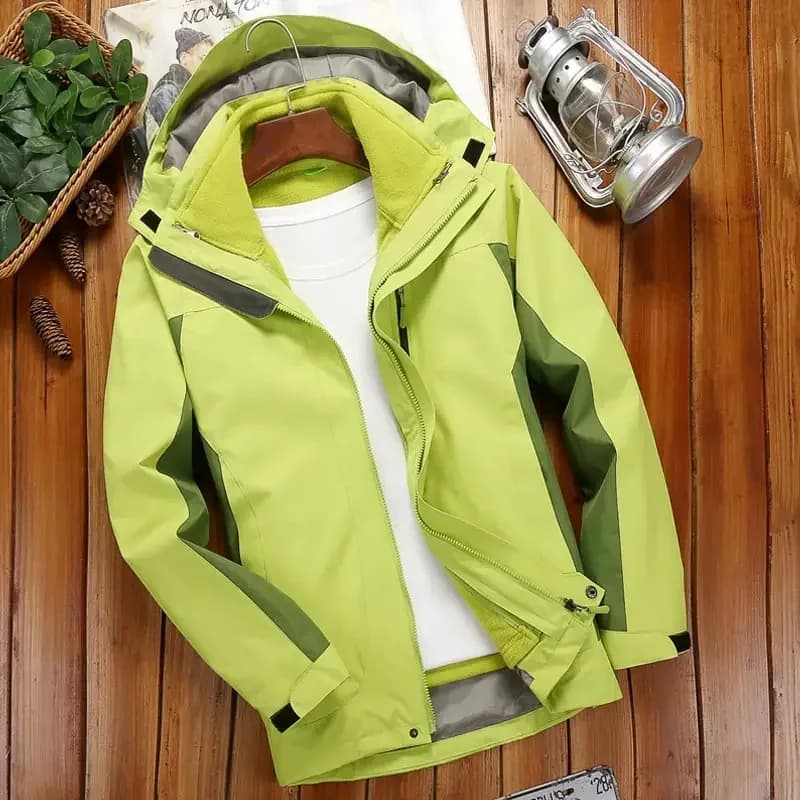
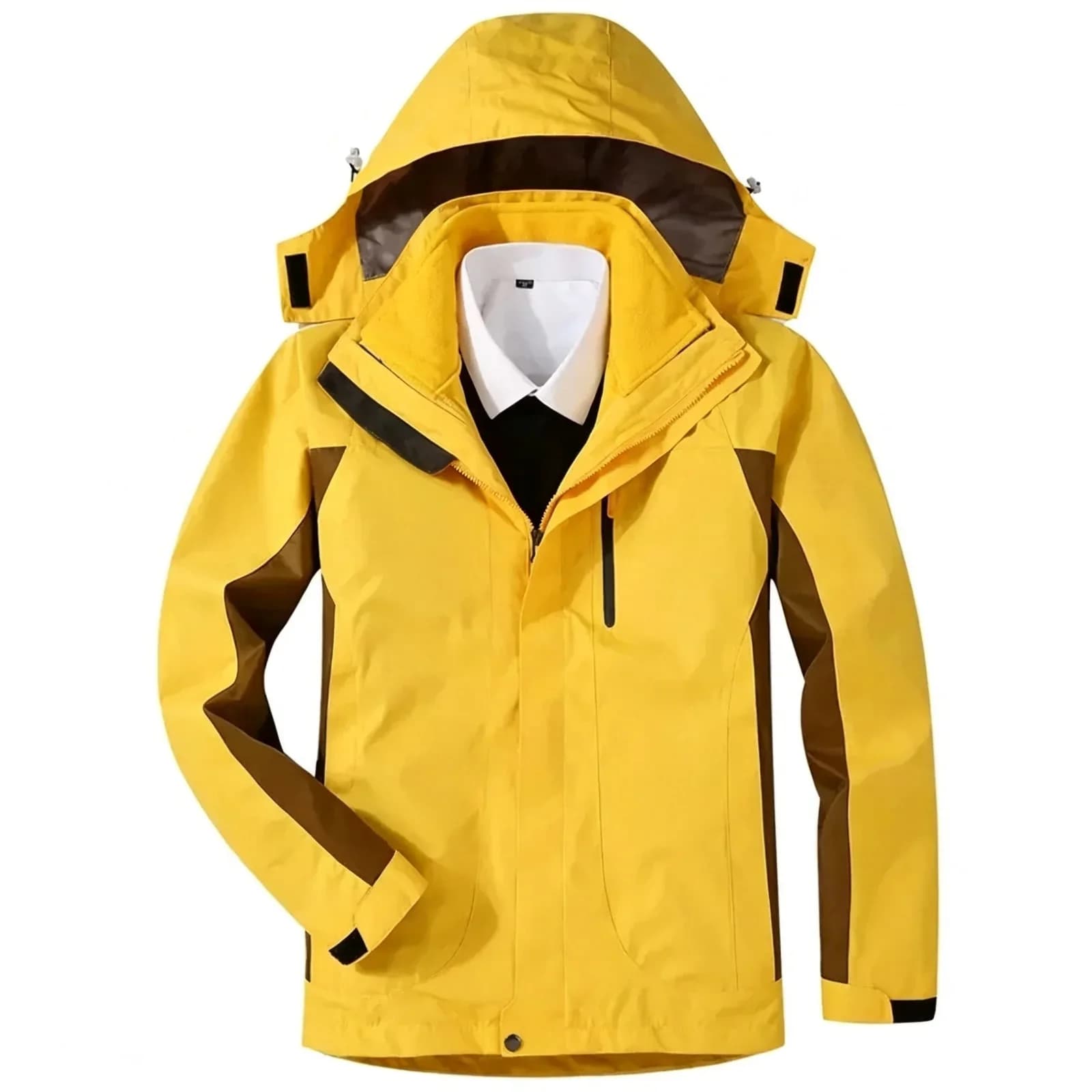
These catalogue views help identify the jacket and colour presentations. They do not establish current colour availability or a tested performance level. The other scenes explain buying steps; their garments, swatches and packaging are not the supplied SKU or an agreed order specification.
From a shortlisted jacket to a comparable quotation
- 1Define the wearerDescribe the use, market and clothing worn underneath.
- 2Separate the recordsIdentify shell, lining, garment weight and measurement method.
- 3Review the sampleCheck the agreed measurements, movement and construction.
- 4Fix the revisionAttach the accepted reference, size quantities and packaging brief.
- 5Request the quotationCompare the same version, quantity, destination and written terms.
Sources and further reading
For the destination-market label brief, use the FTC and European Commission resources below to distinguish fibre information from other labelling tasks. GS1 is a reference for keeping the product and its packaging levels separate. These resources support the buying method; they do not certify SKU 36 or supply its missing specifications.
- REI · Layering basics
- FTC · Textile and wool labelling
- European Commission · Textile labelling
- GS1 · Product and package measurement
On the product page, identify SKU 36 and include your intended underlayer, size and colour quantities, destination market and sample purpose in the enquiry.
Frequently Asked Questions
Does the 400 g reference mean 400 GSM fleece?
No. The catalogue gives a 400 g weight reference. Fabric GSM is mass per square metre for an identified fabric. Keep shell GSM, lining GSM and finished-garment weight separate, and ask for the size and condition behind the weight reference.
Can I choose the size run from S, M and L labels alone?
Use the offered measurement sheet and your target customer's fit requirements. Define garment measurement endpoints, units and tolerances, then review the sample with the intended underlayer. A size label alone does not establish equivalent fit across suppliers.
What should the first sample approve?
State whether it is for fit, colour, materials or construction. Record substitutions and limits. An initial sample should not become the final order reference until the accepted materials, measurements and revision are documented.
Does fleece lining prove waterproof or windproof performance?
No. A lining description and product photograph do not establish whole-garment weather ratings or a temperature limit. If that performance is required, define the intended use and request evidence applicable to the selected version.
What should a wholesale enquiry include about price and shipping?
Include SKU, version, size and colour quantities, destination and sample purpose. The site's sample-price basis includes product and shipping; bulk EXW pricing excludes freight. Use the current product page and written quotation rather than treating an article as a permanent price offer.