
TL;DR
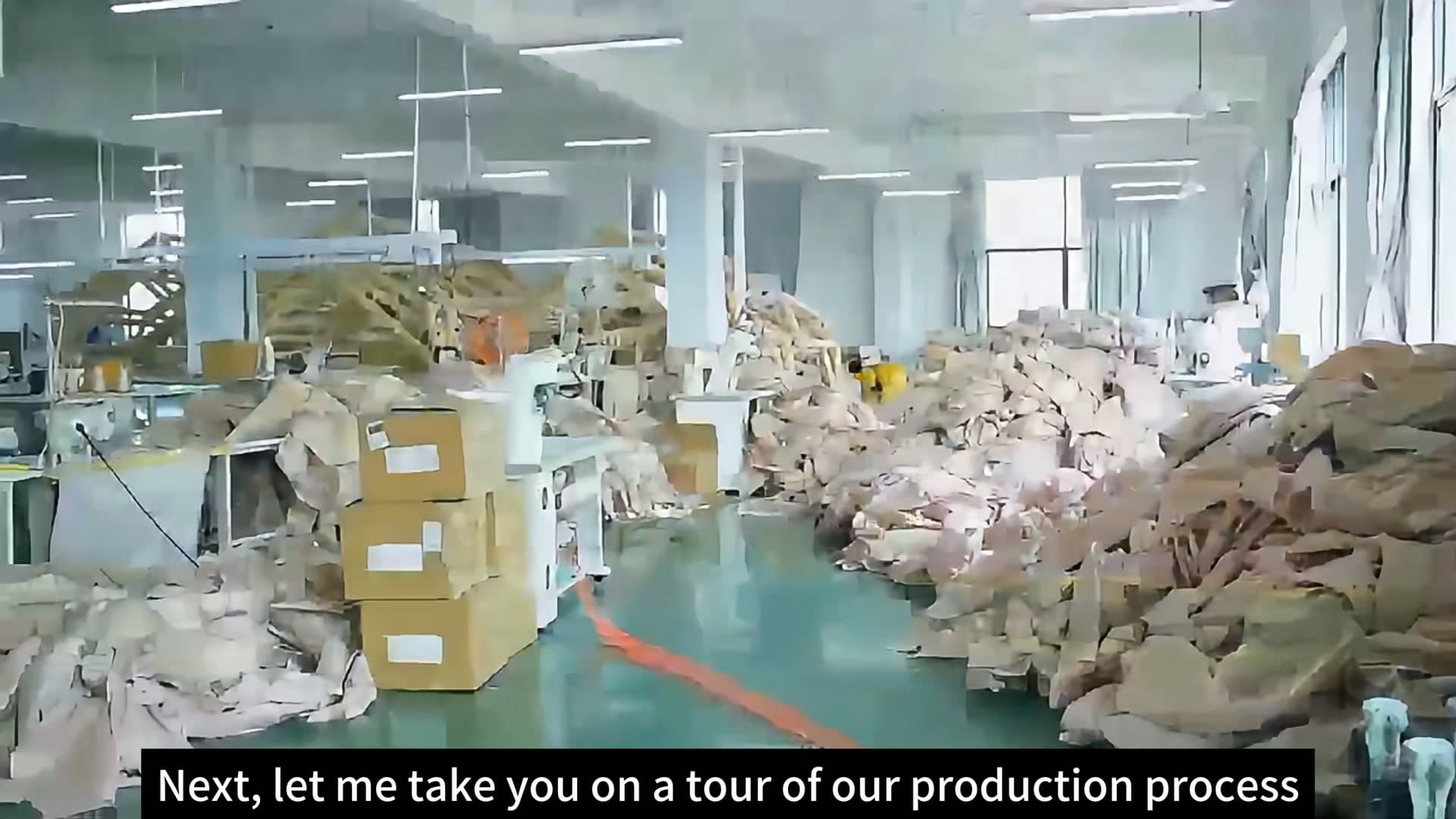
- The Reel shows large tent-fabric panels handled on a production table.
- The visible stage connects to fabric preparation and panel organisation.
- A typical tent workflow continues through cutting, sewing, seam treatment, assembly and inspection.
- Related products show automatic, pop-up and villa-style tent constructions.
- An OEM enquiry should identify the tent reference, intended use, material direction, branding and packaging.
Direct Answer
What does the tent-making process shown in this video represent?
The video shows workers handling large tent-fabric panels on a long workshop table. This is a preparation stage within a broader tent workflow: specification review, fabric preparation, cutting, sewing, seam treatment, structural assembly and inspection. Buyers should connect the process to a chosen tent construction and its published product specification.
Tent-Making Process
The Reel focuses on fabric handling in a tent workshop. Large panels are organised for the required construction before sewn components and structural parts come together.
Typical Tent Production Workflow
A typical project moves from the agreed specification into fabric preparation, cutting, sewing, seam treatment, assembly and inspection. The exact sequence depends on the tent construction.
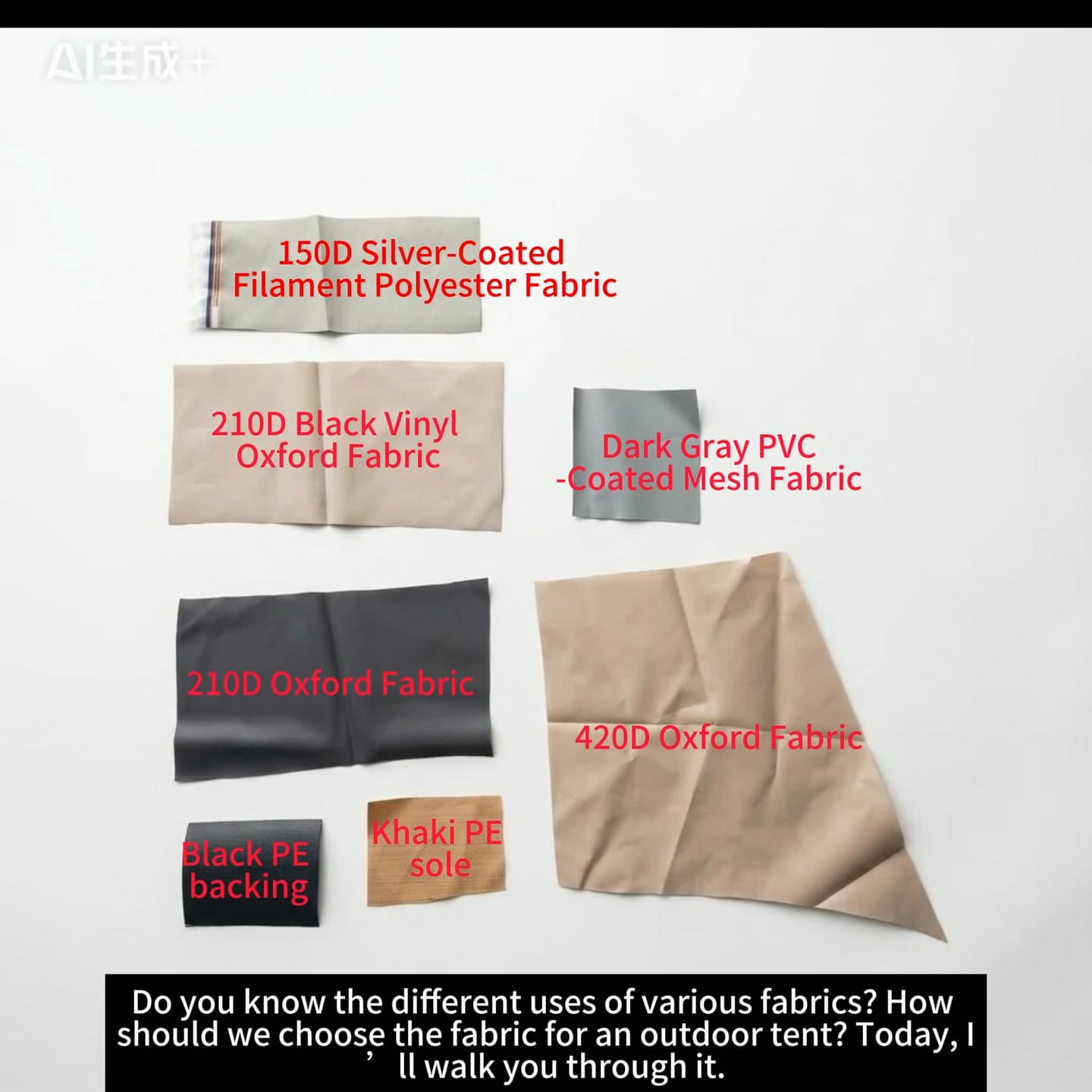
- Fabric handling and preparation
- Cutting and panel organisation
- Sewing and seam treatment
- Frame or structure assembly
- Product and packing inspection
OEM Tent Manufacturing
For an OEM enquiry, send the tent reference, intended use, market and requested changes. Seawing's current range includes automatic, inflatable and villa-style shelters with published fabric, frame, size and packing information.
- Colour and visual direction
- Branding and label placement
- Retail or bulk packaging
- Material and product specification
Tents & SheltersWholesale camping-tent guideExplore Wholesale & OEM
Typical Tent Production Flow
- 1Confirm specificationSelect tent type, size, fabric and structure.
- 2Prepare fabricHandle and organise panels for the agreed construction.
- 3Cut and sewForm the required tent panels and joined components.
- 4Treat seamsApply the seam construction specified for the tent.
- 5Assemble and inspectCombine the structure and review product and packing.
Buyer & Search Intent
Share a tent reference, target market, quantity, material direction and requested customisation.
- Tent type
- Target size or capacity
- Fabric and structure
- Branding
- Packaging
- Quantity and destination
Frequently Asked Questions
What stage of tent manufacturing is visible in the Reel?
Workers are handling large fabric panels on a long production table, which connects to fabric preparation and panel organisation.
What are the typical steps in tent production?
A typical route is specification review, fabric preparation, cutting, sewing, seam treatment, structural assembly, product inspection and packing inspection.
Which tent construction should a wholesale buyer compare?
The linked Seawing range includes 2-in-1, automatic pop-up and villa-style tents. Compare intended use, published fabric, structure and dimensions.
Can buyers discuss OEM tent customization?
An OEM enquiry can cover colour direction, branding, labels, packaging, material direction and the selected product specification.
What should I send for an OEM tent quotation?
Send a tent reference, intended use, target size or capacity, fabric and structure direction, quantity, destination, branding and packaging requirements.
Related Videos
Plan an OEM Tent Brief
Share a tent reference, target market, quantity, material direction and requested customisation.