
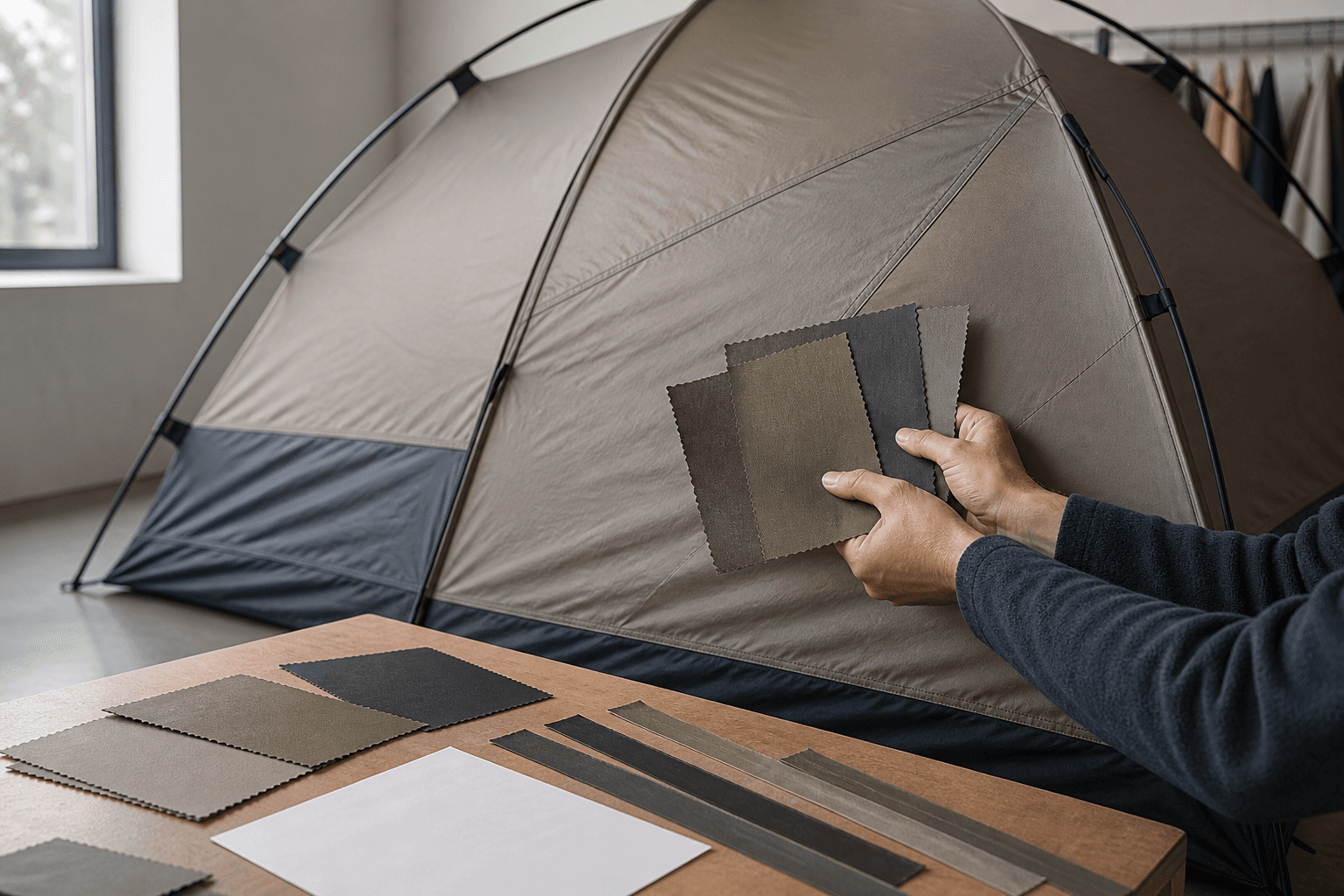
How to Read a Tent Fabric Specification Sheet: Denier, Coating and Seam Fields
Read a tent fabric specification as a linked set of fields: fibre and fabric construction, denier or mass, coating type and side, test method and result,…
Direct answer: read fabric, coating, test and seam fields together
A tent sheet becomes decision-ready only when each term is tied to a component, method, unit, sample and revision. A material name can identify a construction direction; performance needs the stated method and result for the exact configuration.
What common tent fabric fields can—and cannot—tell a buyer
Treat every field as one part of a controlled product record. Request the missing method, unit, component and document instead of turning a shorthand label into a performance claim.
| Specification field | What it can identify | What to request next |
|---|---|---|
| Fibre, weave and denier | Material family, construction description and yarn linear-density reference | Exact component, fibre content, fabric mass, weave and approved sample |
| Coating | Named chemistry, coated side and intended construction when stated | Coating specification, application details, method, result and sample revision |
| Hydrostatic-head result | Resistance-to-water-penetration result only when method, unit and specimen are stated | Test method/version, unit, specimen conditioning, component and report reference |
| Seam and tape | Stitch, seam allowance, tape or seal construction for a stated location | Seam map, tape compatibility, process parameters, sample and agreed verification |
Turn a fabric line into a product-specific evidence request
A buyer sheet should separate the published reference from the fields still awaiting confirmation for the proposed SKU and target market.
| Buyer field | Record | Evidence boundary |
|---|---|---|
| Tent component | Fly, inner, floor, awning, reinforcement or carry bag | Do not apply one fabric field to every component |
| Material record | Fibre, weave, denier/mass, finish, coating side and colour | Confirm exact units and approved sample |
| Performance statement | Method, version, unit, result, specimen and report | Do not infer a result from denier or coating name |
| Bulk control | Approved sample, revision, tolerances, inspection point and change process | Confirm the order-specific control plan |
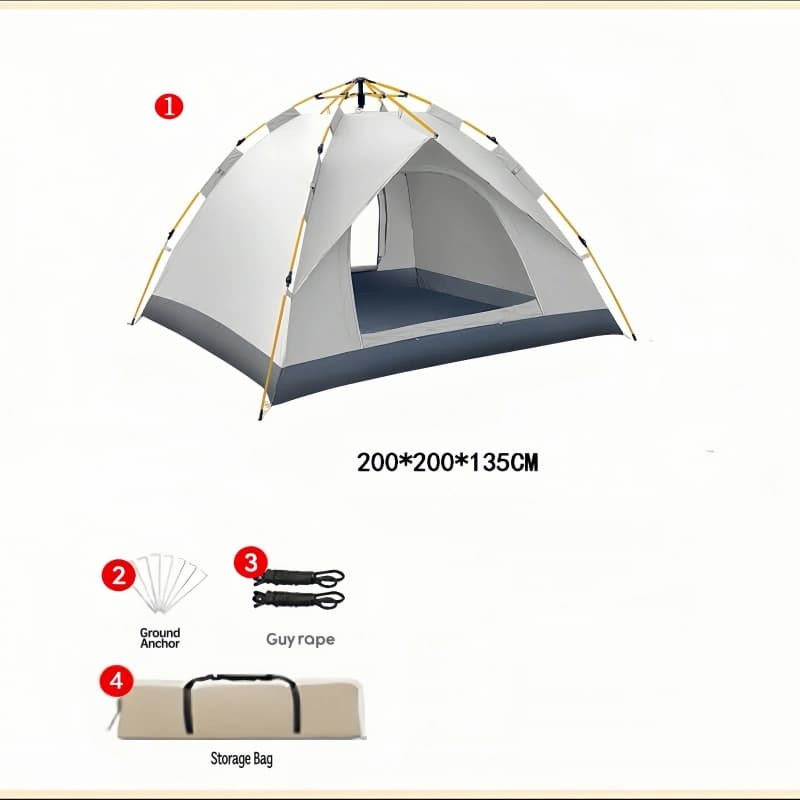
Use ID 19 as a published reference—not a complete evidence pack
From use brief to approved fabric record
- 1Define the componentName the tent part, use case, target market and requested construction without assuming a result.
- 2Complete the specificationRecord fibre, weave, denier or mass, coating, side, seam and tape fields with units.
- 3Agree the evidenceName the method, specimen, report or supplier declaration required for each statement.
- 4Approve the sampleLink the physical sample, colour and construction to a dated specification revision.
- 5Control changesState tolerances, bulk checks and approval steps before any material or process change.
Separate a specification term from a verified result
ISO 811 defines a hydrostatic-pressure method for textile resistance to water penetration, and ISO 5912 covers camping-tent requirements and test methods. ASTM D751 addresses coated fabrics. These scopes help a buyer name a method; they do not prove that ID 19 or another Seawing tent was tested, passed, certified or accepted in a target market.
Observe fabric handling without inventing a test result
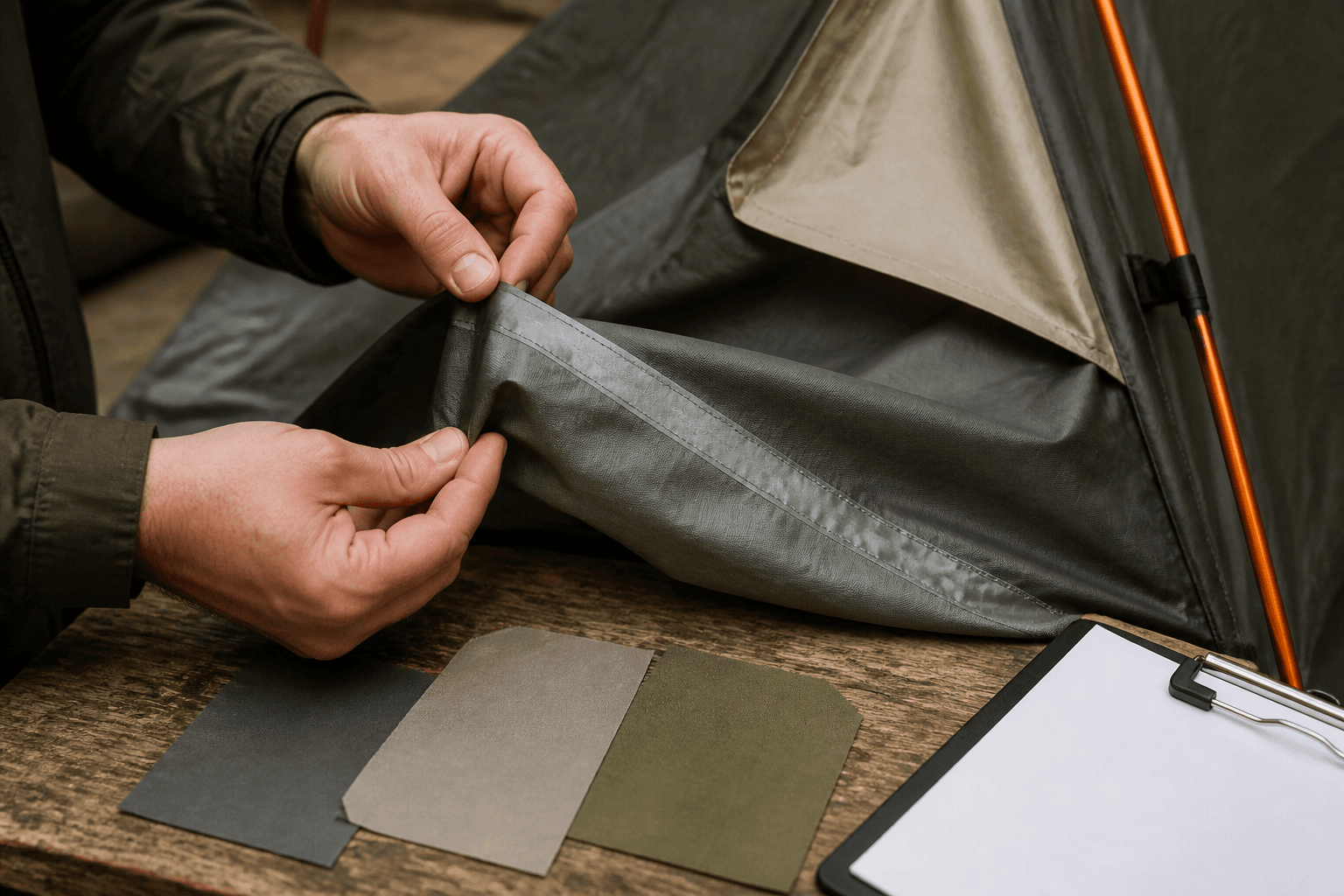
The verified tent-making Reel shows workers handling large fabric panels on a long table. The seam-treatment Reel shows treatment being applied. Observable handling and construction can guide questions, but neither video links a test result to ID 19 or proves bulk performance.
Frequently Asked Questions
Does 210D tell me how waterproof a tent is?
No. Denier is a yarn linear-density reference. Ask for the exact fabric construction, coating and a stated water-penetration method and result for the relevant component.
Does PU-coated mean every part of the tent has the same coating?
Do not assume it. Name the fly, floor, inner or other component and confirm coating chemistry, side, specification and approved sample.
What should a hydrostatic-head entry include?
Request the method and version, unit, specimen/component, conditioning, result and report or responsible source.
Why should seam tape be listed separately?
Fabric and seam constructions are different controls. Request seam type, tape or seal material, location map, compatibility and agreed verification.
What does Seawing publish for ID 19?
The current record includes a 210D silver-coated Oxford fabric reference. Product performance, test results, certification and order availability still require SKU- and market-specific confirmation.
Request the Tent Fabric Specification and Evidence Pack
Ready to move from research to a quotation? Send us your specification and target market — our team comes back with MOQ, lead time and pricing.