
Camp Kitchen Assortment Planning by Use Case
Plan a camp kitchen range by customer activity, SKU role and documented dependencies. Compare stove, cookware and lighting records without assuming a kit.
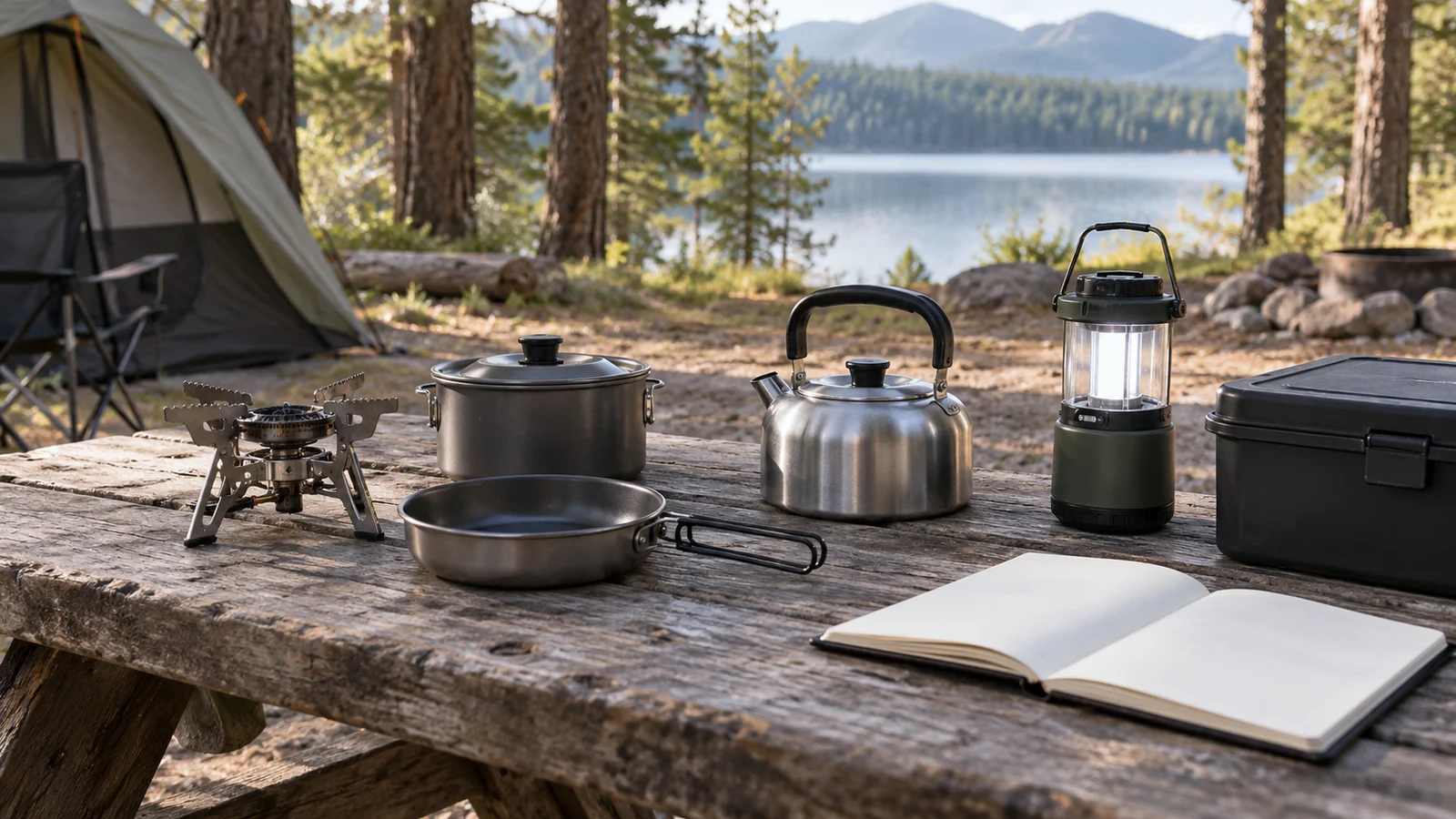
AI-generated editorial concept, not exact Seawing products, a supplied kit, a customer campsite or a compatibility test.
Start with the range job, not a shopping list
Camp kitchen assortment planning is a retail decision about which customer activities a range should support. Write a short scenario before picking products: who carries the equipment, how it is transported, what meals are planned, which market and channel will sell it, and what information the buyer needs at the shelf. A walk-in customer asking for a compact boiling setup presents a different comparison task from a car-camping customer planning several dishes. These are planning scenarios, not claims that a particular SKU can meet them.
REI’s camp-kitchen and cookware guides distinguish simple carried kits from more elaborate vehicle-supported kitchens. They help identify functions, but a wholesale buyer also needs an exact version, supplied contents, instructions, packaging and market-document status for every selected line. Convert the consumer activity into those fields rather than reproducing a long equipment checklist or filling the range with products that perform the same role.
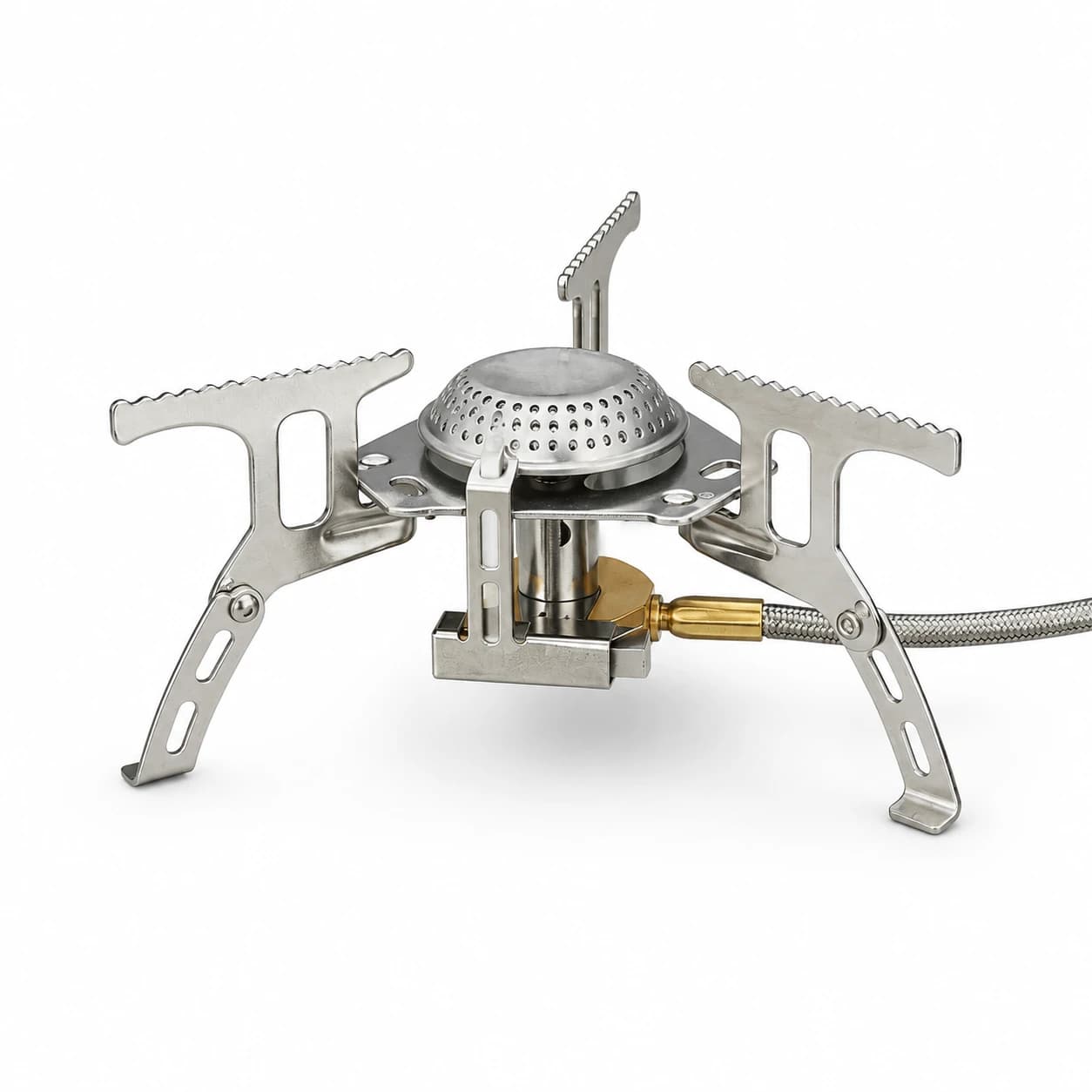
Use the current Seawing category as a set of separate references. SKU 31 publishes a portable stove’s 230 g reference weight and 38 cm hose; SKU 44 publishes a 600 g cookware-set reference and an identified 0.8 L kettle. SKU 35 is a separate stainless kettle listed at 288 g and 10 × 15 × 17 cm. SKU 34 is the mini grill, and SKU 28 lists seven lighting modes and IPX4. Keep each value attached to its own product and component; do not add them into a supposed complete-kit weight or transfer capacity, compatibility or protection to another item.
- Heating reference: SKU 31 portable gas stove; connector, fuel and cookware support require version-specific evidence.
- Cooking reference: SKU 44 DS-308 cookware set; confirm the supplied components and count rule.
- Separate water-heating reference: SKU 35 kettle; its capacity is not established by its outer dimensions.
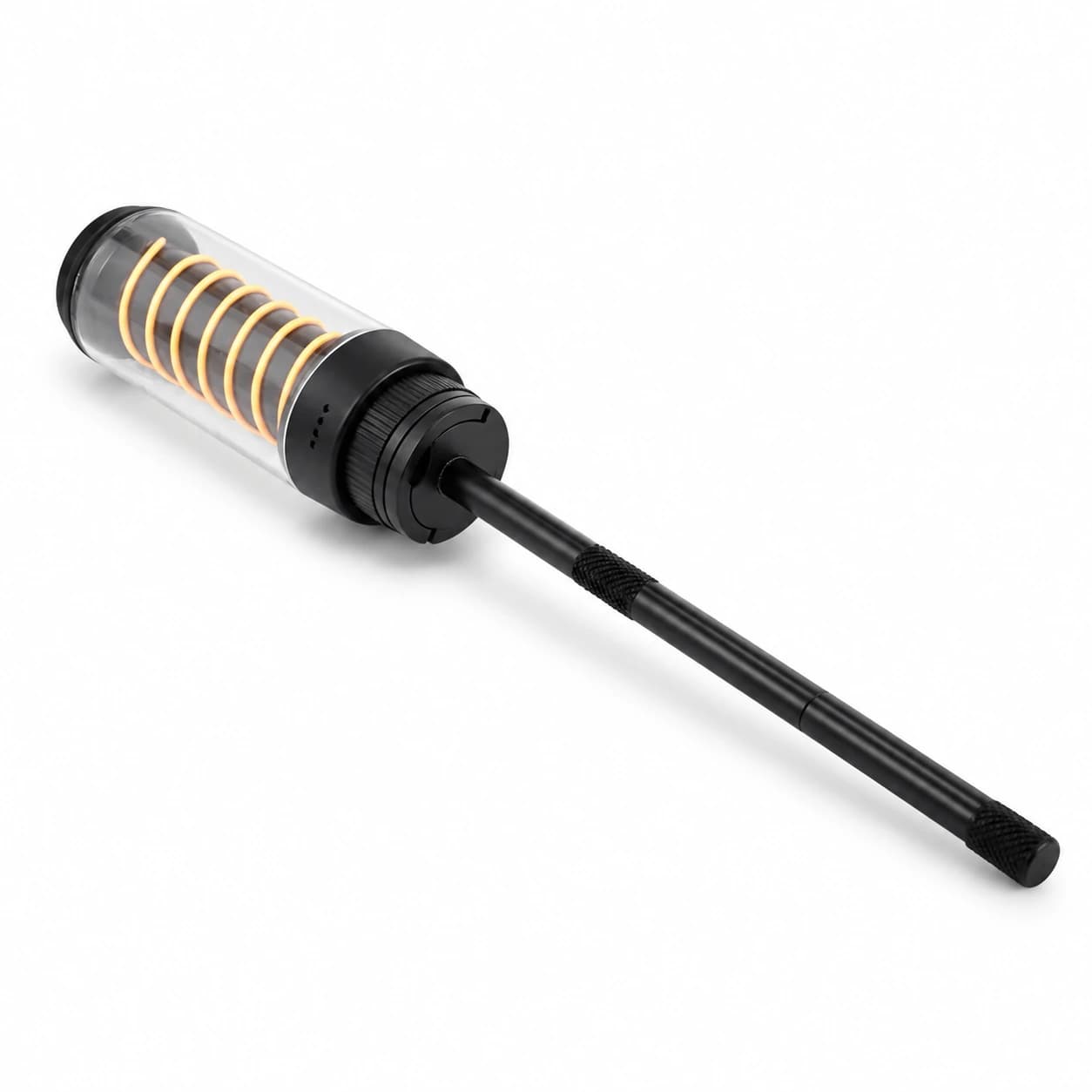
- Grill and lighting references: SKU 34 and SKU 28; group positioning, modes and IPX4 are not a combined cooking or site-safety result.
Use-case and product-role planning matrix
Use this matrix to decide what to investigate, not to prescribe equipment for an unassessed site. Add your own quantities, market and channel; verify every pairing with the applicable product instructions.
| Planning scenario | Range roles to compare | Priority fields | Dependency to resolve |
|---|---|---|---|
| Carried compact kit | Heating, a selected vessel, utensils and packing | Component weight, packed state and contents | Approved fuel/connector and vessel support |
| Vehicle-supported meal preparation | Stove, cookware, kettle and preparation items | Separate tasks, item lists, dimensions and storage | Work surface, product instructions and pairing limits |
| Small grill-focused range | Grill, separately specified care and storage items | Material option, removable parts and cleaning access | Permitted fuel, tools and residue handling |
| Evening camp-table range | Cooking references plus a separate lantern role | Lighting mode, charging and mounting fields | Documented runtime and placement; no assumed illumination |
| Multi-SKU retail programme | Selected versions and distinct shelf roles | Labels, barcodes, manuals, quantities and packing | Per-SKU acceptance and consolidated shipment records |
Separate role, relationship and approval
State the customer task and the reason each product belongs in the range.
Record any heat-source, support, size, power or storage dependency as a question to resolve.
Accept only the exact versions and supplied contents backed by agreed records.
Separate product references, separate evidence
The photographs identify the SKU 31 stove and SKU 28 lantern independently. They illustrate different range roles, not a supplied set or an approved stove-and-lighting configuration.
Build a quote-ready assortment worksheet
Give each shortlisted SKU its own line, even if the products will be offered together in a retail programme. A supplier response should separate the selected version, supplied items, proposed alternatives and unresolved dependencies. Keep desired quantities and commercial requests in the buyer brief; they are not catalogue promises. Ask for packaging and document revisions before approving consumer-facing combinations or descriptions.
| Worksheet field | Buyer supplies | Supplier confirms |
|---|---|---|
| Range objective | Market, channel, customer activity and shelf role | Relevant exact product references |
| Line identity | SKU, selected option and requested quantity | Revision, included components and substitutions |
| Dependencies | Named product pairing and intended relationship | Applicable instructions, dimensions and limits |
| Retail handoff | Label language, barcode, manual and presentation needs | Agreed artwork scope and packing record |
| Commercial acceptance | Quote scope, sample-review questions and shipment needs | Order-specific terms and per-SKU acceptance evidence |
Five steps to a coherent range brief
- 1Define the scenarioWrite the market, channel, customer activity and transport assumptions.
- 2Assign product rolesGive each shortlist line a distinct function and exact SKU identity.
- 3Resolve dependenciesCheck the proposed pairing against component records and instructions.
- 4Review the retail handoffAgree versions, contents, labels, manuals, packing and commercial scope.
- 5Approve the shortlistRetain per-SKU acceptance; record remaining questions before placing an order.
Use original guides without importing their product claims
REI’s Camp Kitchen Checklist organises equipment into preparation, table setting, storage and cleanup. That is a useful function map, not a wholesale order form or a compatibility list for Seawing products. Use it to find missing roles, then build your own version-controlled worksheet. REI’s cookware guide supports the distinction between choosing a set and choosing individual pieces; neither approach removes the need to confirm the final supplied contents.
A 2026 review of current stove launches led to Primus’s own Moto Stove page. The manufacturer explicitly describes its included parts and direct-canister connection and says that the model cannot be used with an adapter. This illustrates how an apparently minor dependency can change a shortlist. It is not a rule for SKU 31: obtain the Seawing reference’s own connector, fuel, support and instruction information rather than borrowing the Moto specification.
Include care and evidence review in the assortment, not only cooking equipment. The CPSC’s February 26, 2026 wire-bristle brush statement is a current U.S. example of why an accessory and its instructions need independent review. Check the actual products, destination and current documents with the responsible specialist; do not infer a market-wide demand trend, safety outcome or sales gain from these sources.
Original sources reviewed on October 15, 2026
Compare the camp kitchen category and send your range brief
A coherent camp-kitchen range is a shortlist with clear roles and resolved relationships, not simply a larger bundle. Open the category, select the references that deserve investigation and send the worksheet with market, channel, quantities and proposed pairings. Approve each line from its own evidence before describing the collection as a compatible set.
Frequently Asked Questions
Should assortment planning start with product prices?
Start with the customer task, market and sales channel. Prices become comparable after the versions, supplied contents, dependencies and packing scope are defined. Request order-specific terms rather than assuming a universal catalogue offer.
Does one category mean the products work together?
No. Category membership organises discovery, not compatibility. Identify the proposed relationship and obtain relevant connector, support, dimension, instruction or power information for both products. Do not describe separate references as an approved kit.
Can I total the published weights for a kit?
Not as a final kit or shipping specification. Reference weights can use different scopes and may exclude selected accessories or packaging. Request a measured record for the agreed contents and packed state.
Is the separate kettle redundant if a cookset names a kettle?
It may fill a different range role, but first confirm the cookset’s actual supplied list and the separate kettle’s specifications. Decide from the customer scenario and version-specific fields, not from the names alone.
How should a lantern fit into the range?
Treat it as a separate lighting role. Request mode-specific output, runtime, charging and mounting evidence for the selected version. Seven modes or an IPX4 field alone does not prove the light required for a particular cooking area.
What makes an assortment enquiry useful?
Name the market, channel, customer activity, SKU and option, requested quantity and intended relationships. Include packaging, manual and evidence questions per line. A supplier can then address the scope without guessing a bundle or promising an unsupported outcome.