Camping Lantern Specifications: Lumens, Runtime and Charging
A retail-buyer checklist for comparing lantern lumens, runtime and charging only when the mode, method, endpoint, battery and test conditions are documented.
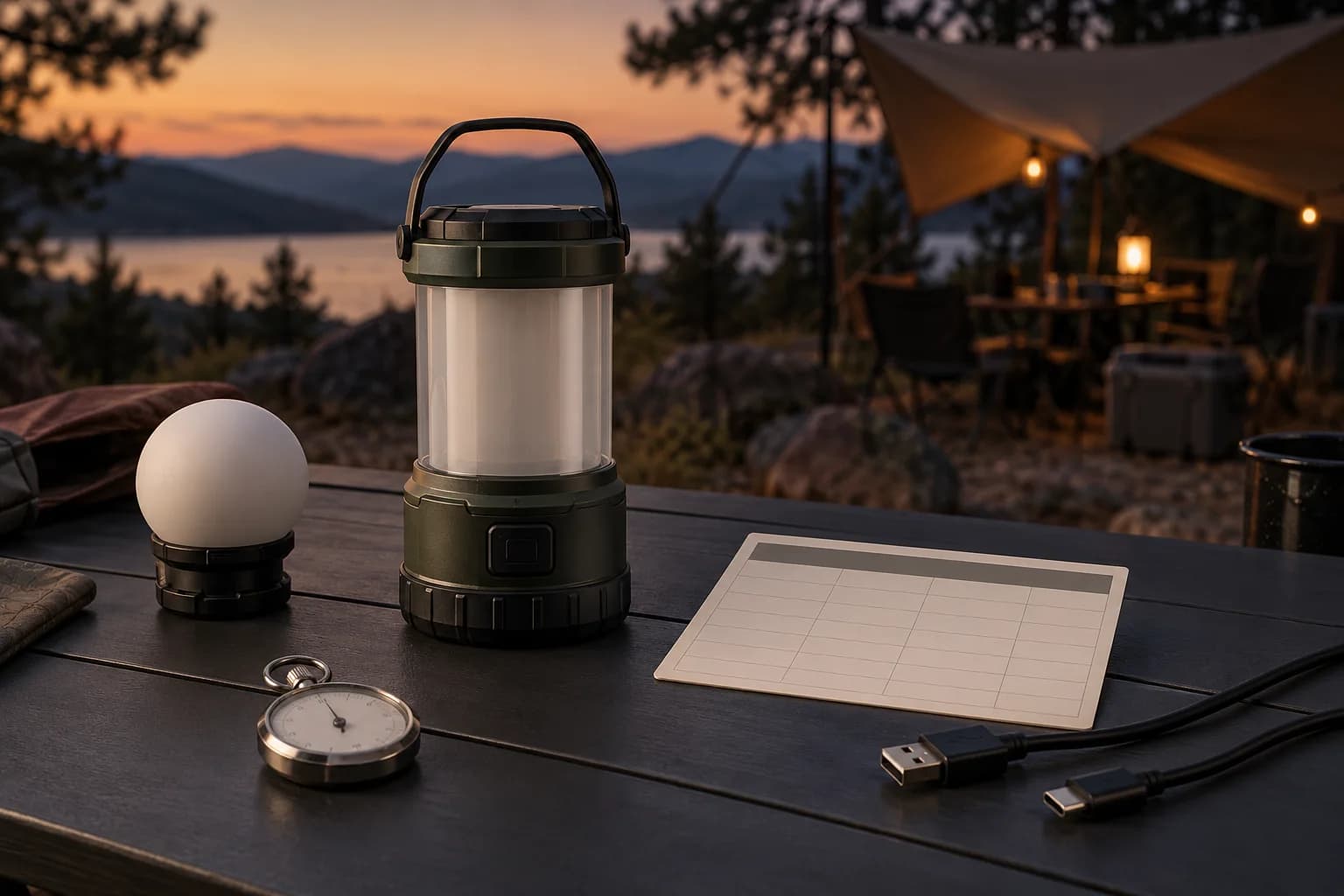
Cover: AI-generated editorial image. It does not represent a Seawing product, person, factory, customer site, measured output, runtime, charging test, ingress test, certification or safety result.
Treat brightness, runtime and charging as one evidence set
A high-mode lumen figure and a longest-runtime figure may describe different operating modes. A useful buyer record puts mode, output, runtime endpoint, battery state, ambient conditions and sample identity on the same row, then keeps charging inputs and output-to-device functions separate.
The 2025 ANSI/PLATO FL 1 revision highlights standardized, transparent portable-lighting performance methods. IEC 60529 defines enclosure protection classes. These sources explain what a test scope can mean; they do not supply a result for the Seawing lantern.
What the published Seawing record establishes
- Product type: rechargeable LED camping lantern
- Lighting adjustment modes: 7
- Published enclosure rating: IPX4
- Published use context: tent, canopy and campsite ambient lighting
Lantern specification comparison matrix
Put every value beside its mode, method and conditions so retail labels do not combine unrelated maxima.
| Field | Minimum comparison record | Condition to name | Do not infer |
|---|---|---|---|
| Light output | Measured lumens for each named mode | Method, sample state and stabilization point | Lumens from LED count or mode name |
| Runtime | Hours for the same named mode | Starting charge, endpoint, temperature and duty cycle | High-mode runtime from a low-mode maximum |
| Battery | Chemistry, rated voltage/capacity and replaceability | Cell/battery model and version | Runtime from mAh alone |
| Charging | Input port, voltage/current, cable and charge time | Starting state, adapter, temperature and full-charge criterion | Fast charging from connector shape |
| Ingress | Exact IP code and enclosure tested | IEC method/version, sample and result scope | Submersion or whole-product durability from IPX4 |
One claim needs three linked records
Name the exact brightness or colour mode used for every output and runtime value.
Name the method, endpoint, temperature, sample state and measurement conditions.
Tie battery, firmware/control, port, cable and enclosure to the ordered SKU revision.
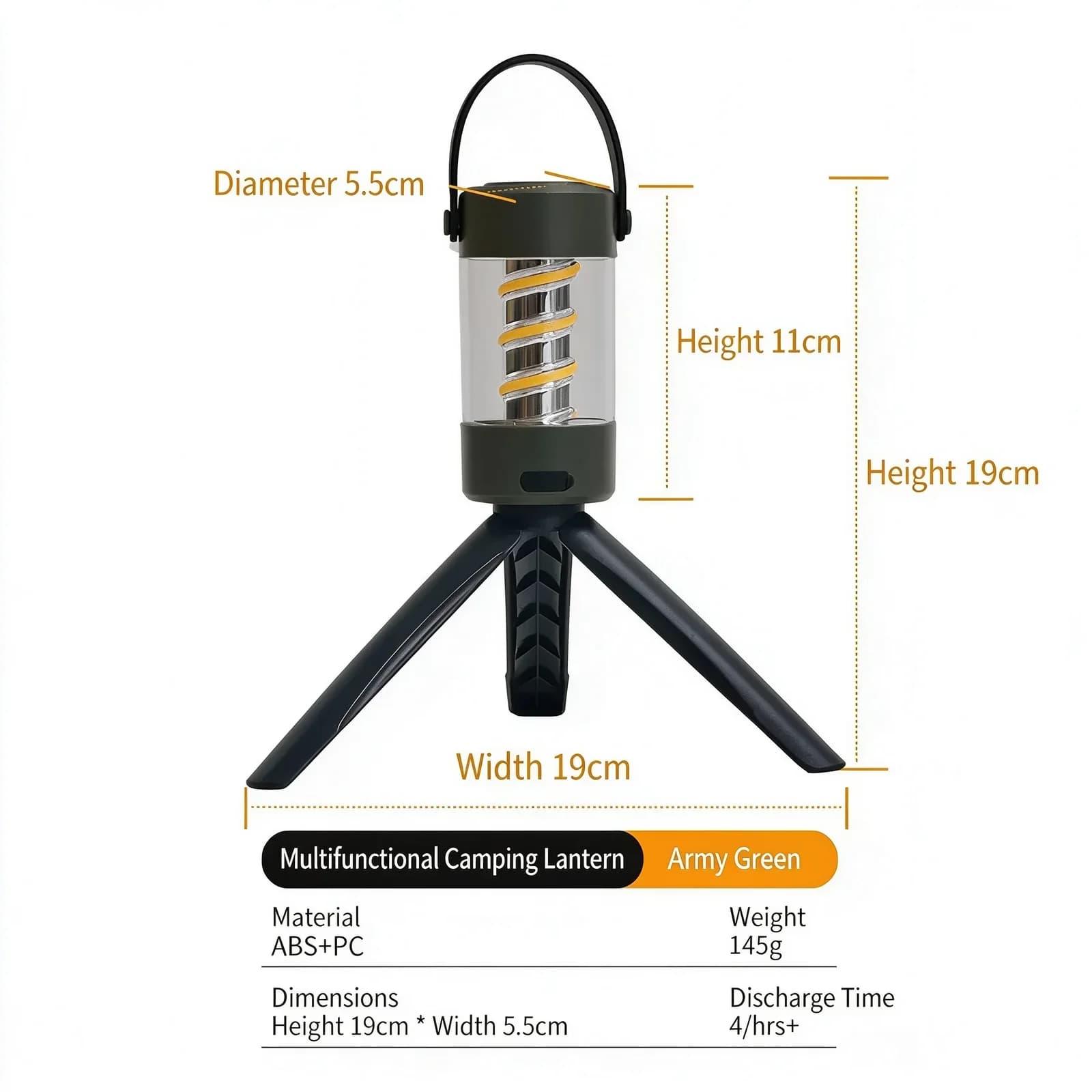
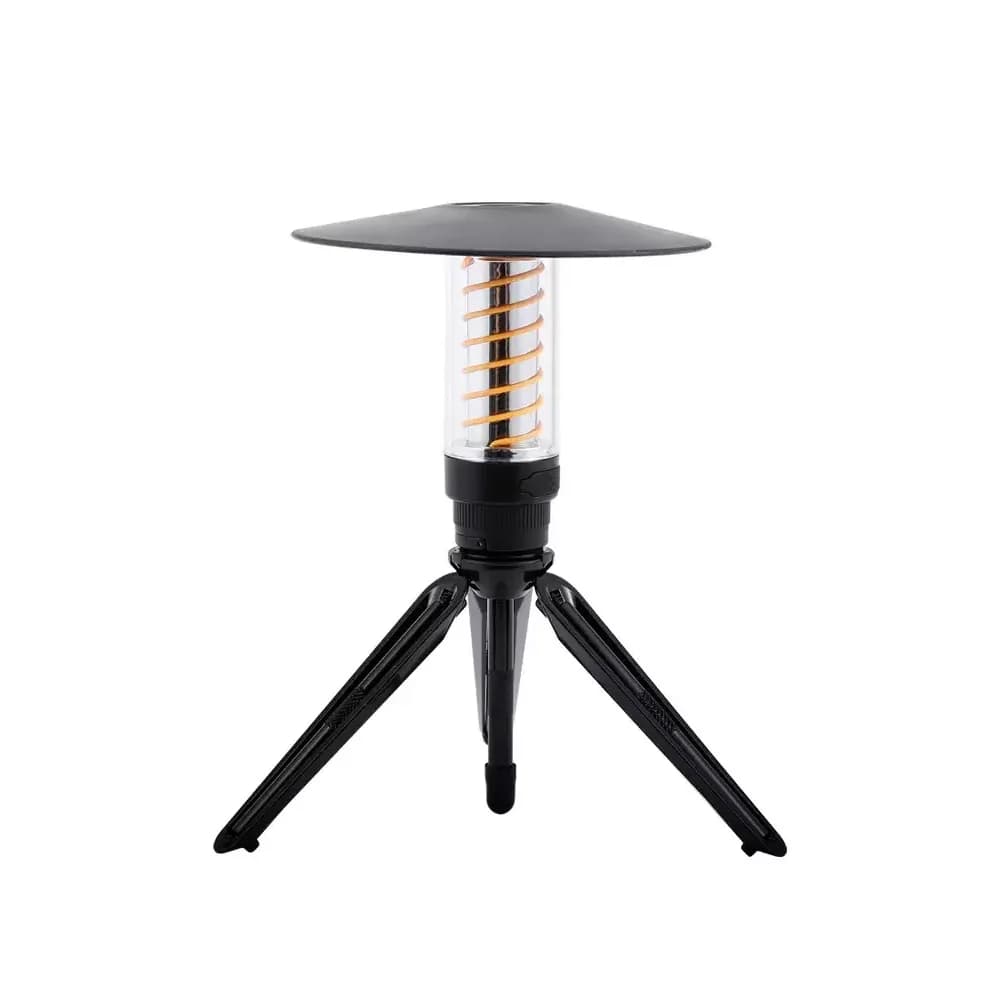
Catalogue views identify the lantern, not its measured output
These site-hosted images identify the rechargeable lantern record and visible configuration. They do not prove lumens, beam distribution, runtime, charging time, battery chemistry, charge-out capability, temperature behaviour, ingress-test scope, service life, safety, certification or compliance.
Retail comparison fields to request
A buyer can use this matrix for both the supplier request and the final shelf-data approval.
| Buyer field | Evidence request | Shelf-data rule |
|---|---|---|
| SKU, revision and sample date | Current specification and change record | Do not merge different versions |
| Mode names and intended shelf role | Mode-by-mode output and control sequence | Keep maximum and typical-use mode separate |
| Required evening duration | Runtime per named mode with endpoint and conditions | Publish the matching mode and conditions |
| Destination charging ecosystem | Port, input, cable, adapter status and charge-time method | State included parts and input precisely |
| Destination and channel | Battery, transport, label, ingress and safety documents that apply | Do not transfer evidence across markets |
From seven modes to a defensible shelf specification
- 1Freeze the versionRecord SKU, sample date, battery/control revision and included cable.
- 2Define each modeName brightness, colour or signal behaviour without converting a label into output.
- 3Request paired testsAsk for output and runtime for the same mode, method, sample and conditions.
- 4Verify chargingRecord battery, input, port, cable, adapter, start state, endpoint and temperature.
- 5Approve market copyPublish only version-linked values whose scope matches the label, listing and instructions.
Battery, ingress and performance boundaries
ANSI/PLATO FL 1 provides portable-lighting performance methods, but a method name alone is not a product result. Ask for the report, tested sample, mode and measurement conditions.
IEC 60529 covers enclosure ingress protection. The published IPX4 field should be verified against a version-specific record before it is expanded into any water-exposure claim; it does not mean submersible.
IEC 62133-2, the UN Manual of Tests and Criteria and market battery rules address different safety, transport and information scopes. A buyer should request only the records applicable to the actual battery, product and destination rather than listing badges generically.
How this checklist improves range data
For retail comparison, use a mode-by-mode row: output, runtime, endpoint and conditions together. Keep charging input, charging time, battery record and any power-bank output in separate fields so one number cannot imply another.
Measure this page by qualified non-brand impressions, clicks to the lantern record and enquiries that name the SKU, destination, quantity and requested test conditions. The candidate queries are research hypotheses, not claimed search volumes.
View the lantern record and request the applicable specification and test conditions
A comparable camping-lantern specification links light output to the named mode and test method, runtime to the same mode and endpoint, and charging time to battery state, input, cable, adapter and temperature. Seawing's published lantern record identifies seven modes and IPX4; it does not by itself establish lumen output, beam area, runtime, charge time, battery chemistry, service life, safety or market compliance.
View the lantern record and request the applicable specification and test conditions
Frequently Asked Questions
Can LED count be converted into lumen output?
No. Request a measured lumen result, named method, mode, sample and test conditions.
Can the longest runtime be used beside the highest brightness?
Only if both values come from the same named mode and documented conditions; otherwise keep them separate.
Does battery capacity prove runtime?
No. Runtime also depends on mode, control strategy, endpoint, temperature, battery state and sample.
Does a USB-shaped port prove fast charging or power-bank output?
No. Record port role, input/output values, protocol if applicable, cable, adapter and tested charge conditions.
What does the current Seawing record establish?
It identifies a rechargeable LED camping lantern with seven modes and a published IPX4 field for the selected record.
What should a retail buyer request first?
Request a revision-linked mode table, output method, runtime endpoint, battery record, charging inputs, included parts and destination-market documents.
View the lantern record and request the applicable specification and test conditions
Ready to move from research to a quotation? Send us your specification and target market — our team comes back with MOQ, lead time and pricing.