
An Outdoor Product Comparison Sheet for Better RFQs
Build a product comparison sheet that separates exact outdoor models, published facts, buyer requirements and evidence before sending an RFQ.
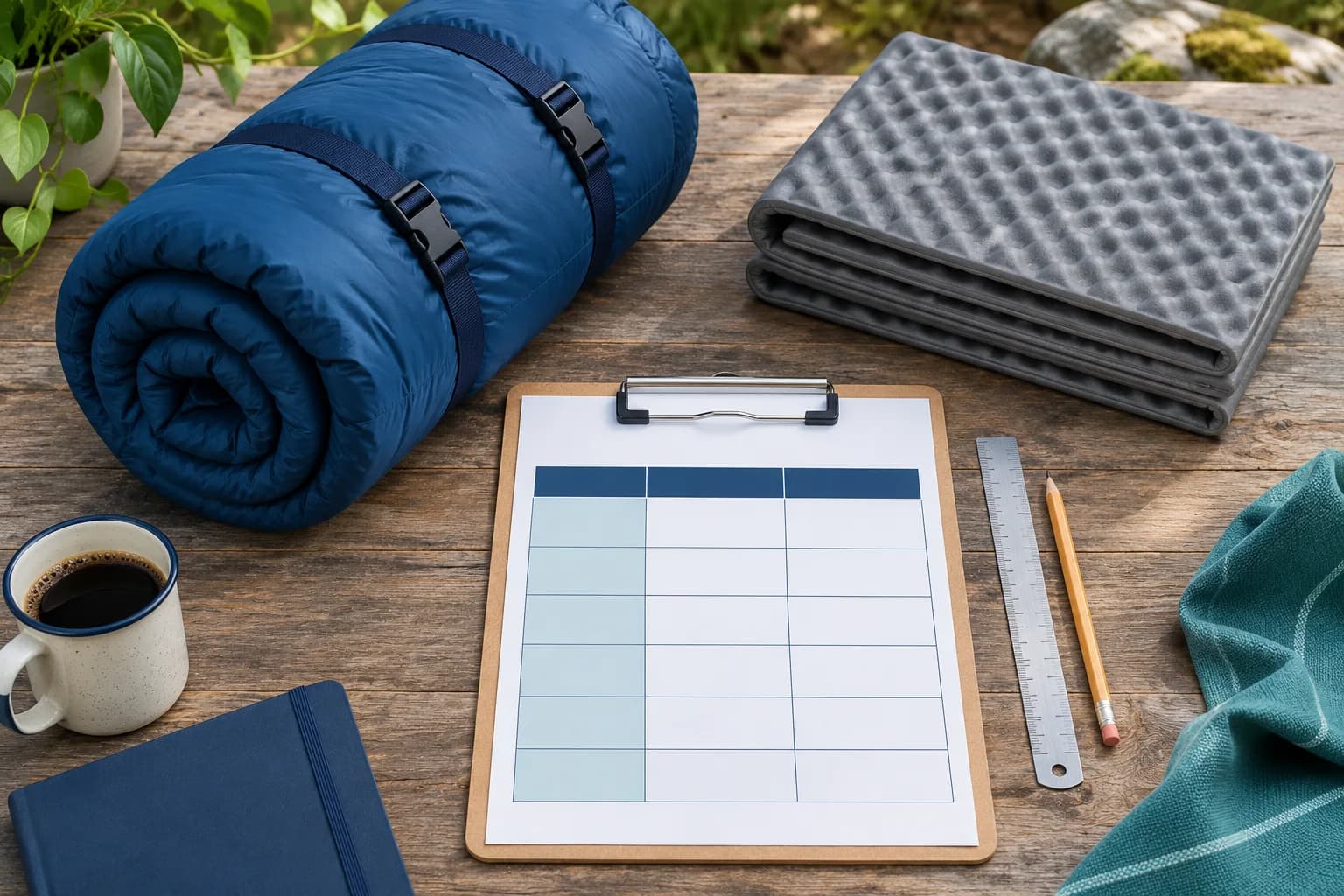
AI-generated editorial cover; generic objects do not represent an actual Seawing kit or verified specifications.
Start with identity, rather than a score
A first enquiry often mixes a product title, a desired feature and a photograph as if all three described the same offered item. Give every row a stable product reference, a selected model or option, a source link and the date your team checked it. A buyer requirement belongs in its own column until the supplier confirms the exact version. A blank specification is an unresolved question, not zero and not permission to copy a value from a similar product.
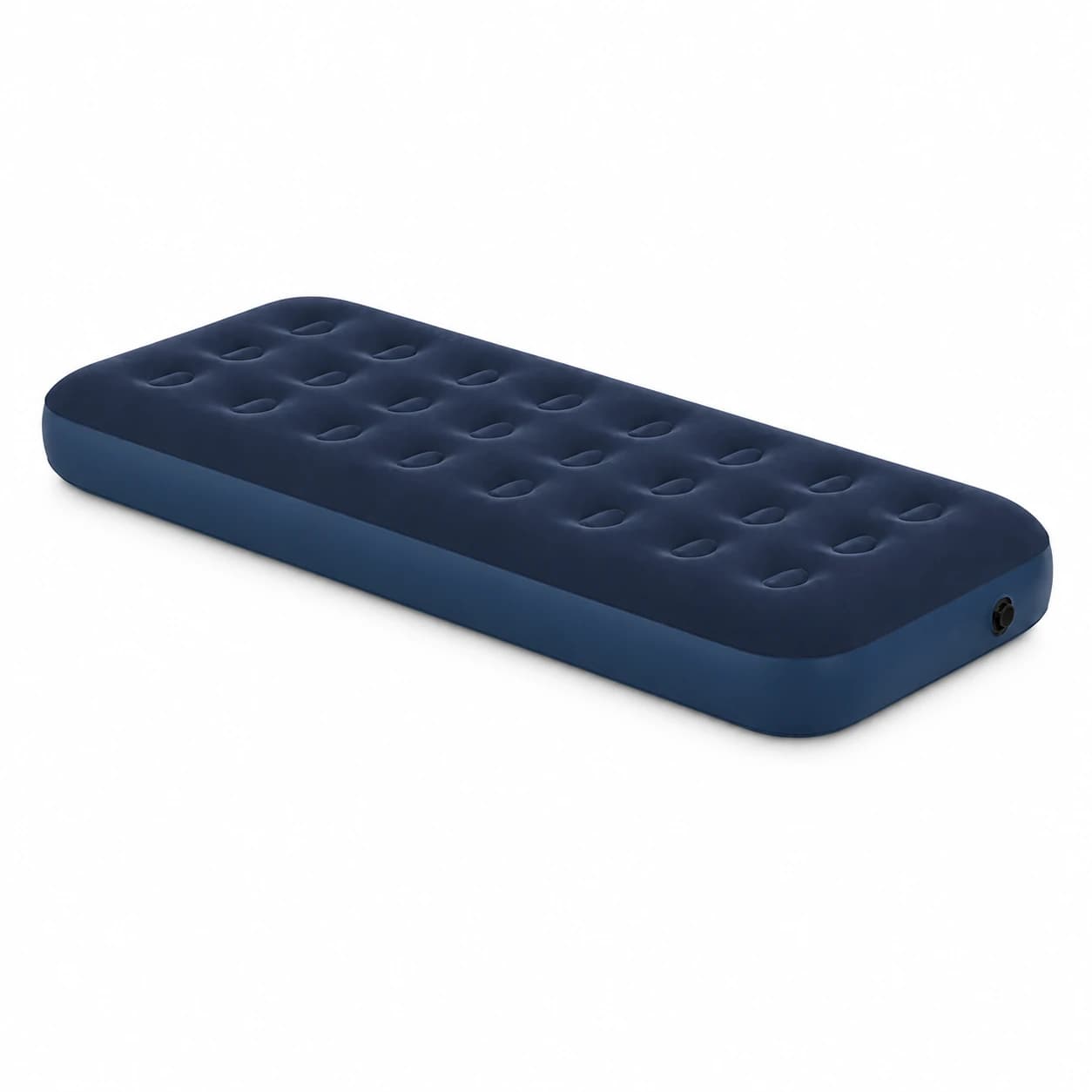
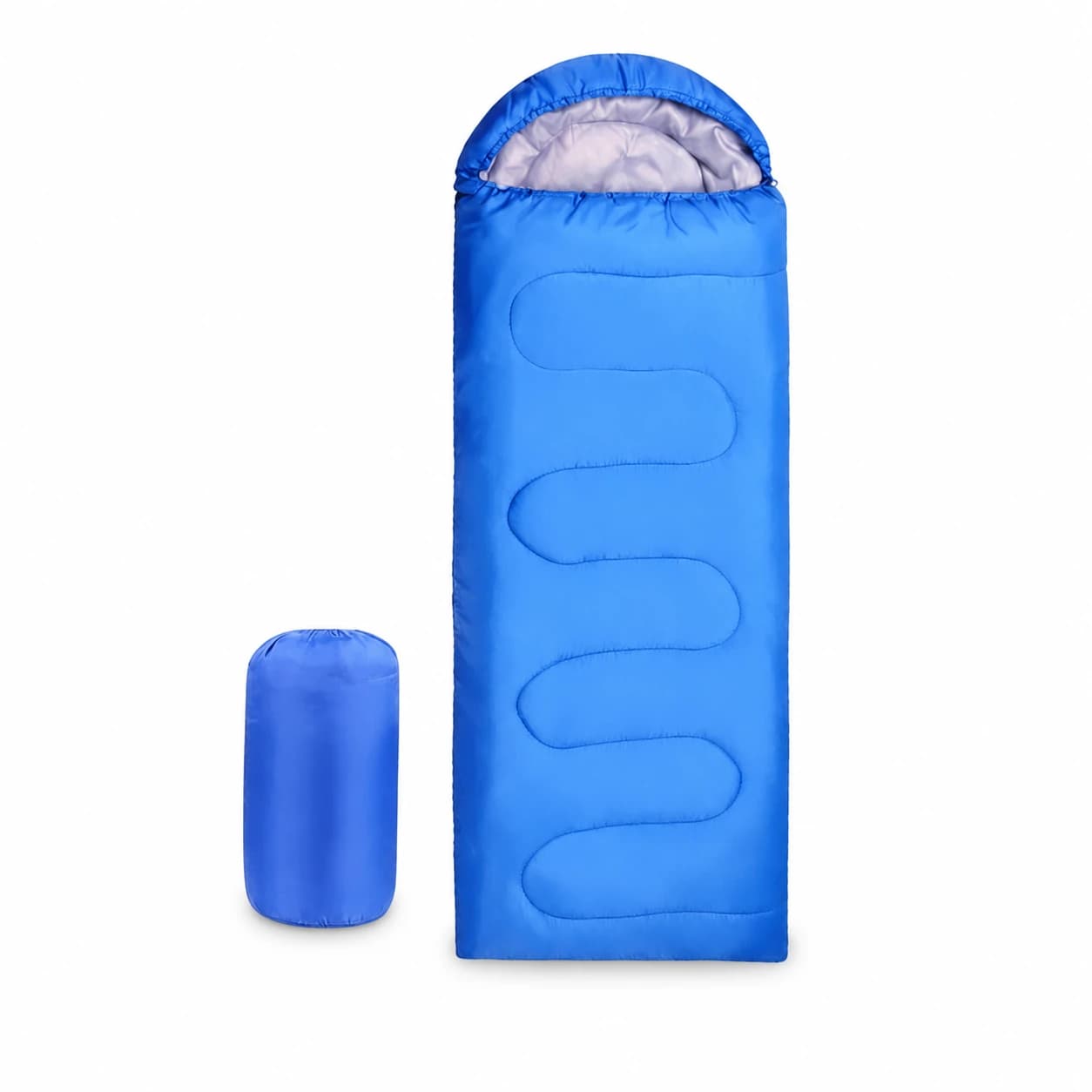
For a worked catalogue example, Seawing SKU 18 lists a PVC air mattress with a flocked top and several model references. YW24565 is one listed option at 191 × 73 × 22 cm. SKU 25 is an envelope sleeping bag with a drawstring hood, a 170T polyester outer and lining, and filling labelled Hollow Cotton Fiber. Put the mattress option and sleeping bag on separate lines. These labels do not establish a shared fit, temperature rating or bundle.
This sheet prepares product data before the RFQ. It does not rank suppliers, calculate landed cost or approve a sample. Keep the source record intact when a buyer wants a different material, size or pack. Record the requested change separately and ask for an explicit proposed version. A quotation referring only to the old catalogue name may leave that requested change unresolved.
- SKU 18 / YW24565: the listed dimensions identify one option, rather than every mattress in the family.
- SKU 25: the bag and its compression storage sack are its recorded contents; other accessories need their own references.
- A published product field, a buyer target and a verified test result are different kinds of information.
Copy a comparison matrix with five controls
Use these controls for each comparable attribute. Add separate rows when units, versions or measurement conditions differ; do not average unlike attributes into a single quality score.
| Control | What to record | Worked example | Decision |
|---|---|---|---|
| Identity | SKU, exact model, source and review date | SKU 18 / YW24565 | Keep the selected option distinct. |
| Published value | Original value, unit and wording | 191 × 73 × 22 cm | Request the measurement state before comparing usable space. |
| Buyer requirement | Requested feature, market and use | Buyer supplies the intended retail brief | Treat it as a request until accepted. |
| Evidence | Document, applicable version and scope | A catalogue dimension is not a test report | Ask for the evidence needed by the claim. |
| Status | Documented, requested, alternative or excluded | A different model remains a separate alternative | Carry unresolved items into the RFQ. |
Keep three columns of authority separate
Transcribe the source accurately and retain its version and unit.
Describe the desired outcome without presenting it as an offered specification.
Name the sample, measurement or document needed to close the decision.
Product records and a comparison workspace
The cover is an AI-generated editorial workspace with generic objects. The reference photographs below belong to their separate published product records; the pictured items do not establish a matched kit or performance result.
Turn the sheet into a quote-ready handoff
For the mattress example, carry SKU 18 and YW24565 into the enquiry, attach the source link and list the measurement question. Add the quantity you actually intend to purchase and the target market. Keep SKU 25 on another line if the enquiry also includes sleeping bags. Do not invent an order quantity to make the example look complete. If a proposed alternative arrives, preserve the original requirement and give the alternative a separate line.
| Handoff field | Buyer supplies | Check before comparing replies |
|---|---|---|
| Reference | Product URL, SKU and exact option | The reply names the same version. |
| Quantity | Quantity and unit for each option | Totals do not hide different version splits. |
| Market and channel | Actual destination and sales context | Market-specific requests are explicit. |
| Open fields | Questions with a named evidence need | Silence is not acceptance. |
| Revision | Sheet date and change log | Each reply refers to the current brief. |
A five-step review before sending
- 1Define the buying task and comparable product family
- 2Identify each exact SKU and option
- 3Separate source facts from buyer targets
- 4Mark evidence gaps and proposed alternatives
- 5Send one dated brief with quantity and market
What the supporting sources establish
GS1's data-quality framework supports checking shared product information against the physical item. Its packaging-measurement standard provides a consistent measurement context; it does not certify these catalogue dimensions. Product identity and trade-item identifiers must remain tied to the correct item. Use the sources as methods for structuring data, not as proof that Seawing has a particular registration or audit result.
The examples use published catalogue records reviewed on 2 November 2026. Performance, price, MOQ, stock, lead time, factory status and certification require their own applicable evidence or written quotation. This article makes no measured search-volume or acquisition claim.
Primary method references
Prepare a product-specific wholesale enquiry
Use the wholesale page to select the closest catalogue product and provide your dated comparison brief, selected options, quantities, market and unresolved questions.
Frequently Asked Questions
Should I put different product families in one table?
Use separate sections with family-specific attributes. A mattress dimension and a sleeping-bag material label do not support one shared performance score.
Can I use a photo to fill missing dimensions?
No. Keep the field unresolved and request a version-linked measurement with its unit and measurement state.
What is the difference between a source fact and a requirement?
A source fact reports the published record; a requirement describes what the buyer wants. Keep them separate until the offered version is confirmed.
How should I record an alternative model?
Give it a separate row, identify its changed fields and retain the original requirement for comparison.
Does a catalogue entry prove certification?
No. Certification or test claims need applicable documents linked to the product, version and claim scope.
What should accompany the finished sheet?
Send exact product links and options, quantity by version, destination market, intended channel, the sheet revision and unresolved questions.