How to Private-Label Camping Tents for Your Brand
A B2B buyer guide to choosing a camping-tent reference, defining logo and packaging requirements, approving a sample and preparing a product-specific enquiry.
Direct answer: define the tent before defining the branding
A private-label project becomes easier to compare when every request refers to a real product, an intended use and a dated artwork version. Seawing's public catalog can provide a product reference; commercial conditions and customization remain subject to confirmation for the selected order.
1. Choose a real base-product reference
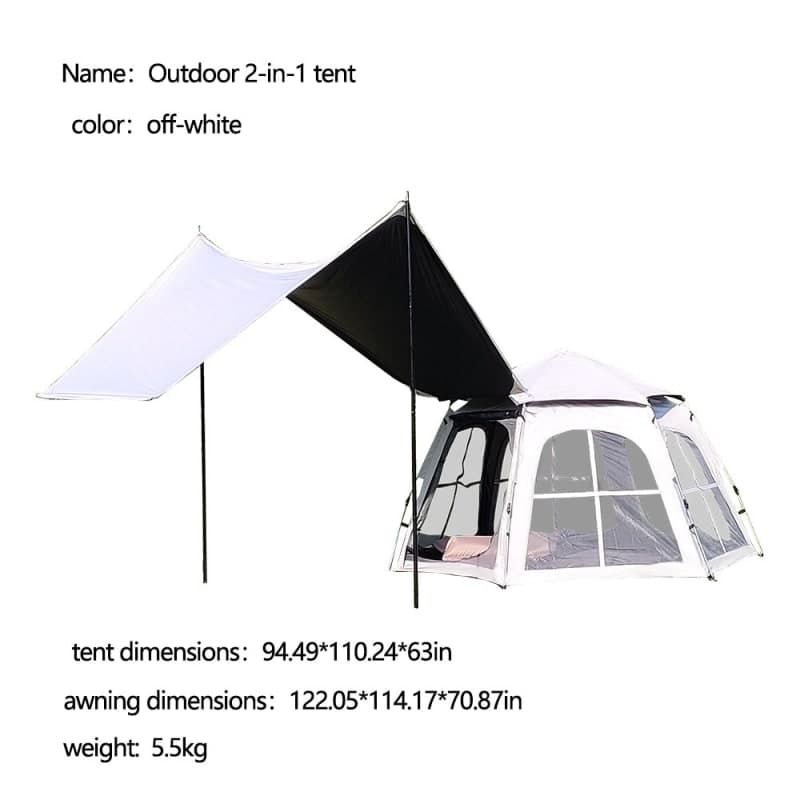
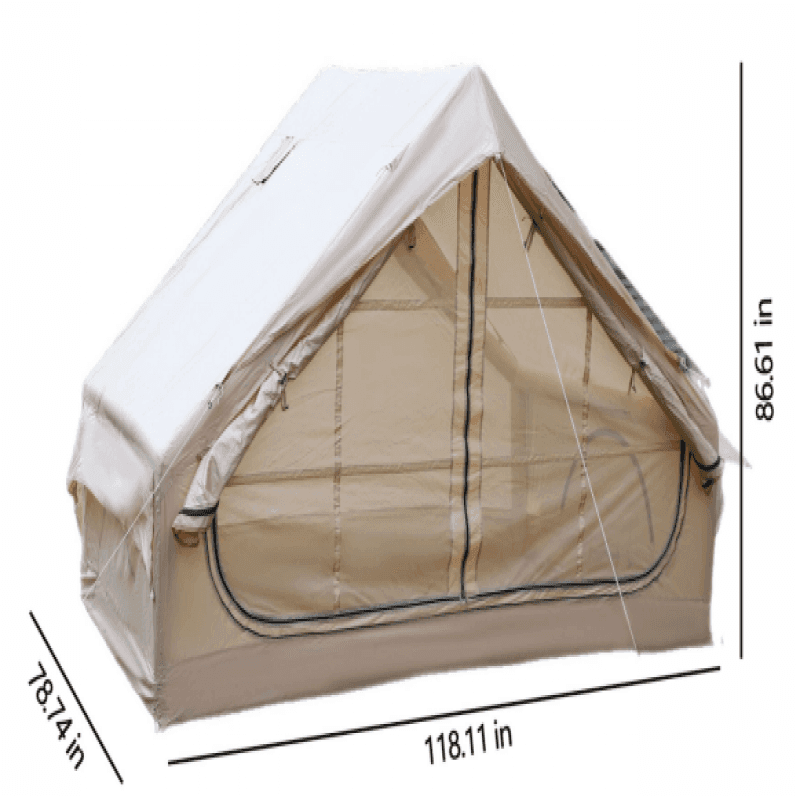
Start with structure, setup method, intended user, accessories and the product facts already published. This avoids asking for branding on an undefined tent. The linked 2-in-1 tent is a product reference, not proof that every option is available for every order.
2. Turn branding into a buyer brief
Separate visible artwork from the product specification. Record logo file and version, placement, colour reference, labels, manual language, retail packaging, carton marks and target market. Each item should have an approval owner and a question where evidence is needed.
| Brief field | Buyer question | Record to approve |
|---|---|---|
| Base product | Which real tent reference and use case? | Product link, configuration and included parts |
| Branding | Where does the approved artwork appear? | Artwork version, placement and colour reference |
| Packaging | What must the buyer see at retail? | Label, manual, carton and market questions |
| Commercial terms | What needs order-specific confirmation? | Quantity, destination, documents and open questions |
3. Approve the sample and the written record together
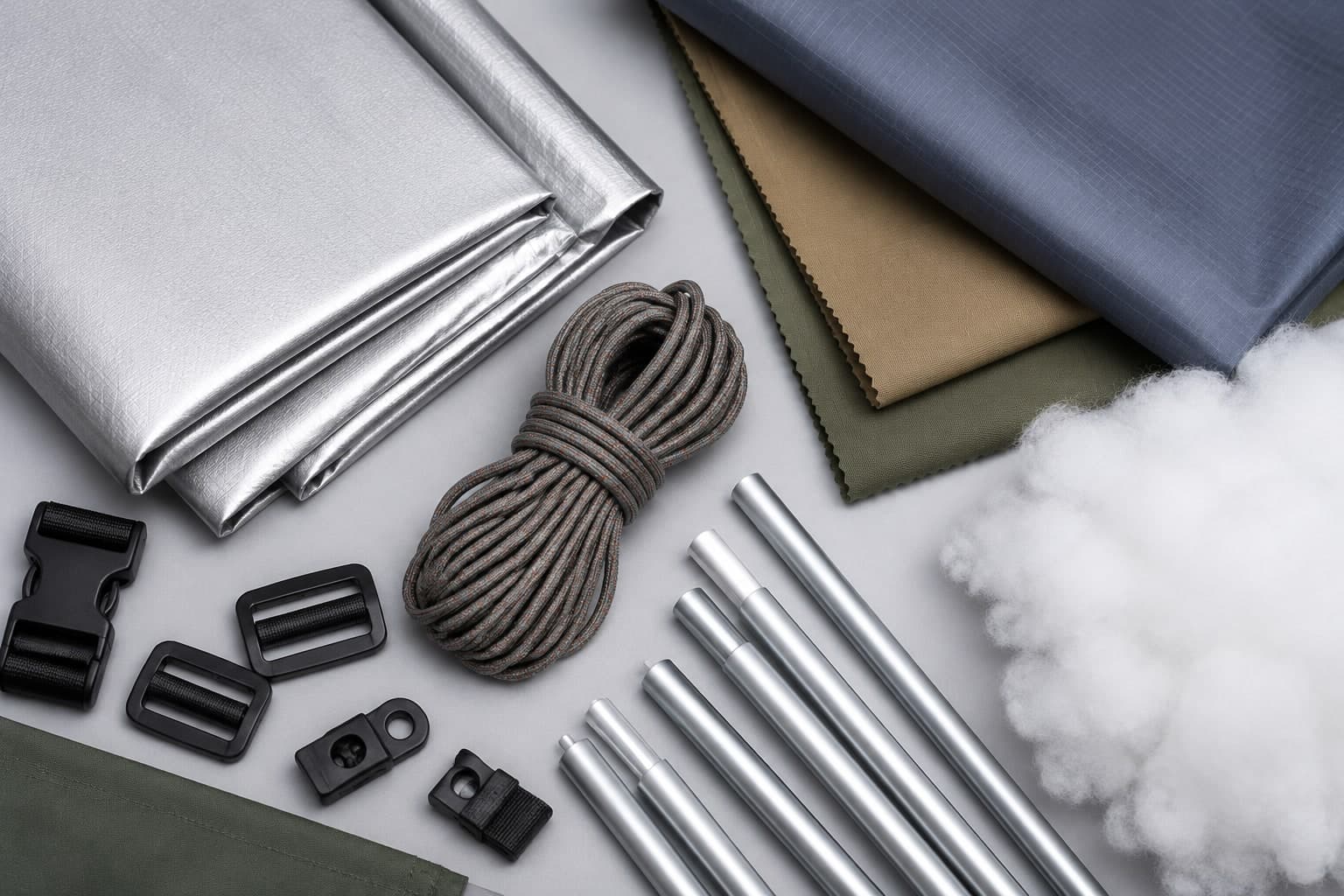
A photograph alone is not a production brief. Keep the product reference, available dimensions and materials, approved artwork, included parts, packaging assumptions and open questions together. Use the sampling and QC workflow to make later checks observable.
4. Send an enquiry that can be answered
Send the product reference, target market, estimated quantity, branding and packaging brief, requested documents and destination. Ask Seawing to confirm which options, sample terms, MOQ, price, lead time and evidence apply to that specific request.
- 1Choose referenceStart from a real catalog product and intended market.
- 2Write briefSeparate product, artwork, packaging and evidence requests.
- 3Review sampleApprove the product and written record together.
- 4Confirm order termsAsk for product-specific commercial confirmation.
Discuss a camping-tent customization brief
Frequently Asked Questions
What should come first in a private-label tent project?
Start with a real base-product reference and its intended market. The structure, setup, materials, included parts and packaging space affect what a branding brief needs.
Can a logo request define the full product?
No. A logo file does not define the tent configuration, artwork placement, labels, packaging, instructions or market requirements. Record those items separately.
What should a tent sample approval record?
Keep the product reference, photographs, dimensions and construction facts that are available, artwork version, labels, packaging assumptions, accessories and unresolved questions together.
Are MOQ, price and lead time fixed for private-label tents?
No. They depend on the selected product, configuration, quantity, packaging, destination and requested documents. Ask for confirmation for the specific enquiry.
Which product should I use for a customization discussion?
Use a real catalog reference. This guide links to Seawing's 2-in-1 camping-tent product page so a buyer can identify the starting reference before discussing options.
Discuss a Camping Tent Customization Brief
Ready to move from research to a quotation? Send us your specification and target market — our team comes back with MOQ, lead time and pricing.